2026 Top Coenzyme Q10 Bulk Suppliers for Global Buyers

Time:2026-09-08 Author:Ethan
0%

The global Coenzyme Q10 market is moving from specialist nutrition into mainstream health products. Grand View Research estimates the market reached approximately USD 1.1 billion in 2023 and may expand at about 9.6% annually through 2030. Future Market Insights also forecasts sustained growth, driven by healthy-aging products, sports nutrition, and pharmaceutical applications. These figures are useful, but not perfectly comparable. Report boundaries differ.

For global buyers, selecting a Coenzyme Q10 bulk supplier requires more than comparing price per kilogram. Buyers should examine ubiquinone or ubiquinol identity, assay results, residual solvents, microbial limits, heavy metals, and oxidation indicators. A reliable supplier should provide current certificates of analysis, batch traceability, stability data, and manufacturing documentation. Third-party audits add confidence.

The practical details matter. Can the supplier protect powder from humidity during ocean transport? Does each drum carry a clear lot number? Are samples tested before a large purchase? These questions reveal operational experience. Suppliers serving food, supplement, and pharmaceutical customers may also demonstrate stronger quality systems, such as ISO 9001, HACCP, GMP, or applicable pharmacopeial compliance.

Still, no shortlist is universally correct. Regional registration rules, formulation needs, packaging standards, and delivery terms can change the decision. Market forecasts also contain uncertainty. This 2026 guide compares leading Coenzyme Q10 bulk suppliers through product quality, documentation, production capacity, logistics, and buyer support. The goal is practical evaluation, not exaggerated certainty.Winvalid
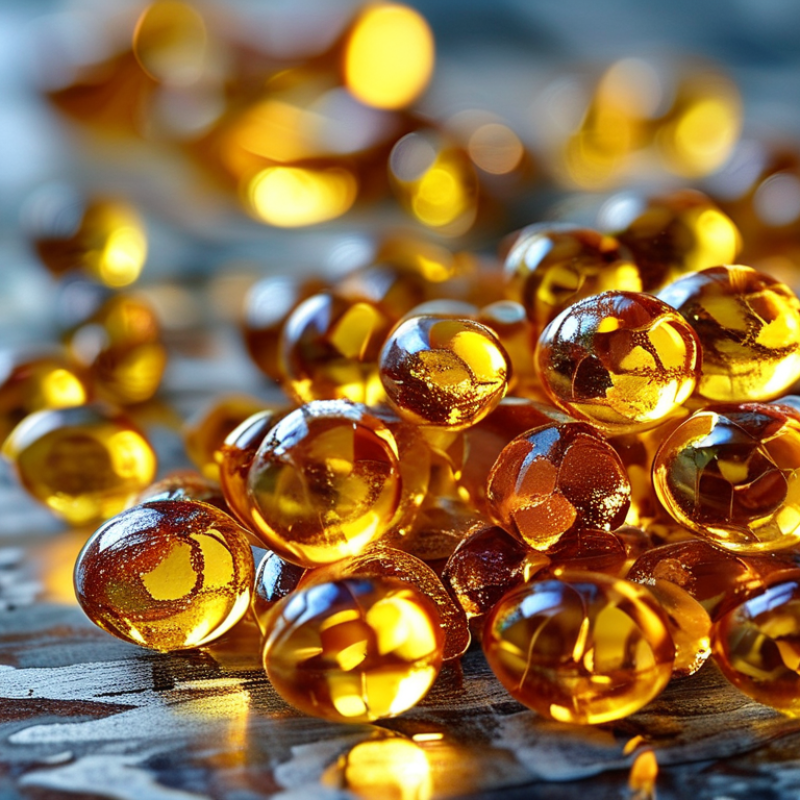
2026 Top Coenzyme Q10 Bulk Suppliers for Global Buyers

Coenzyme Q10 Bulk Supply: Forms, Uses, and Quality Standards

2026 Top Coenzyme Q10 Bulk Suppliers for Global Buyers

Coenzyme Q10 bulk supply requires more than a competitive price. Buyers should compare ubiquinone and ubiquinol forms, along with oil-based, powder, and water-dispersible formats. Each form suits different products, including capsules, softgels, functional foods, and cosmetic preparations. Ubiquinone is widely used and often economical. Ubiquinol may require stronger protection from oxygen and light during processing.

Quality begins with consistent raw material control. A reliable supplier should provide batch-specific certificates of analysis, clear specifications, and traceability records. Test results should cover identity, assay, moisture, residual solvents, heavy metals, and microbiological limits. Stability data also matters, especially for international shipments. Good manufacturing practices and independent laboratory verification add useful assurance. However, a certificate alone is not enough. Documents can be complete while handling practices remain weak. Buyers should review sampling methods, packaging materials, storage conditions, and complaint procedures.

Tips: Request a recent retained-sample report. Check whether the stated assay matches your target method. Ask about nitrogen flushing, light-resistant packaging, and temperature monitoring. Confirm that labeling and documentation support the destination market’s requirements. Small details matter. I would also test a pilot batch before signing a large contract, because specifications sometimes look better on paper than in production. Regular supplier reviews can expose gradual changes in color, odor, particle size, or solubility. That step is easy to skip, but costly when overlooked.

How to Evaluate Top Coenzyme Q10 Suppliers in 2026

Evaluating top Coenzyme Q10 suppliers in 2026 requires more than comparing prices. Global buyers should verify product identity, purity, and manufacturing controls.

Request recent certificates of analysis for each batch. Confirm assay results through HPLC testing, not only supplier declarations. Check whether the material is ubiquinone or ubiquinol. These forms have different stability and formulation requirements.

Reliable suppliers should provide traceability from raw material to finished powder. Their documents should cover microbiological limits, heavy metals, residual solvents, and allergen status.

Ask for production dates, retest periods, and storage conditions. Dark, oxygen-controlled packaging can help protect Coenzyme Q10 during transport. A remote audit may reveal less than an on-site review, but it still helps. No certificate replaces independent verification.

Tips: Compare three recent batches, not one. Ask for sample retention records and complaint procedures. Review export documents before placing a large order. Evaluate communication speed and technical clarity, not just quotations. A polished document can still hide weak consistency. Even a careful scorecard has blind spots, so reassess the supplier after delivery.

Key Certifications and Compliance Requirements for Global Buyers

For global buyers sourcing bulk Coenzyme Q10 in 2026, certification review should begin before price negotiation. A reliable supplier should provide current GMP documentation, an ISO 22000 or HACCP-based food safety certificate, and a detailed certificate of analysis for every batch. The CoA should identify assay, appearance, moisture, microbial limits, heavy metals, and residual solvents. Testing methods must be clear.

Look beyond the certificate logo. Confirm the issuing body, scope, expiry date, production site, and covered product category. A factory may hold ISO certification while a specific product remains outside its scope. Buyers should also request stability data, allergen statements, country-of-origin records, and full traceability from raw material to packed goods. Halal or kosher documentation may matter for certain markets. Organic claims require separate verification.

Regulatory files should match the destination country. Importers may need technical specifications, safety data sheets, packaging details, and evidence supporting purity or formulation claims. Suppliers should explain storage conditions, such as protection from heat, light, and oxygen. Small inconsistencies deserve attention. A batch number on the CoA should match the label and shipping documents. It sounds basic, but errors happen. No supplier file is perfect. A careful buyer should record open questions, request corrective actions, and consider an independent pre-shipment test before approving a large order.

Bulk Pricing, Minimum Orders, and Contract Considerations

Global buyers should treat 2026 Coenzyme Q10 sourcing as a specification exercise, not a simple price search. Grand View Research estimates the global CoQ10 market will continue expanding through 2030, while Future Market Insights reports strong growth in dietary supplement demand. These forecasts support larger production runs, but they do not guarantee cheaper contracts.

Indicative bulk quotations often fall near USD 180–450 per kilogram for standard powder, depending on assay, origin, formulation, and documentation. Higher-purity or water-dispersible grades can cost more. A practical minimum order may start at 25–100 kilograms. Orders above 500 kilograms usually create stronger pricing leverage. Still, a low quote can be a false economy. Buyers should request recent assay results, heavy-metal limits, residual-solvent data, microbiological testing, and stability evidence.

Contracts need sharper details than “CoQ10, 98%.” Specify ubiquinone or ubiquinol, testing methods, packaging weight, shelf life, and accepted batch variation. Include audit rights, change-control notice, delivery windows, Incoterms, payment stages, and remedies for failed testing. ISO-based manufacturing controls are useful, but certification alone does not prove every batch is suitable. I would also reserve samples from each shipment for independent verification. That adds cost. It may prevent a much larger loss. Forecasts can be wrong, and buyers should avoid rigid annual volumes without adjustment clauses.

International Shipping, Documentation, and Supplier Risk Management

2026 Top Coenzyme Q10 Bulk Suppliers for Global Buyers

International Shipping, Documentation, and Supplier Risk Management

International CoQ10 purchasing requires more than comparing prices. Buyers should confirm production capacity, batch consistency, and export experience before signing supply contracts. A reliable supplier can provide a current Certificate of Analysis, Safety Data Sheet, commercial invoice, packing list, and certificate of origin. Each document should match the batch number, net weight, and product description.

Shipping conditions deserve close attention. CoQ10 may require protection from heat, moisture, and prolonged warehouse exposure. Buyers should request packaging photographs, pallet details, and temperature guidance before dispatch. Air freight can reduce transit time, while sea freight may lower costs but increase environmental exposure. Customs classification must be checked with a qualified broker in the destination market. Small errors can delay an entire shipment.

Supplier risk management should include sample testing by an independent laboratory, manufacturing-site audits, and traceability from raw materials to finished goods. Contract terms should define acceptable specifications, inspection rights, delivery delays, insurance, and notification of process changes. Dual sourcing can reduce disruption, but it may create extra qualification work. A clean document set is not proof of operational reliability. I would also review complaint records, recall procedures, and financial stability where possible. No checklist is perfect. One overlooked subcontractor can still create a serious supply problem.

2026 Top Coenzyme Q10 Bulk Suppliers for Global Buyers

International Shipping, Documentation, and Supplier Risk Management

This buyer-priority index uses a transparent procurement framework: international shipping readiness, export and import documentation, quality and traceability, and supplier risk controls. The percentages represent review priorities rather than company performance, and no supplier or brand data are included.

FAQS

: Which certifications should bulk buyers request?

: Request current GMP, ISO 22000, or HACCP-based food safety documentation. Check the issuing body, expiry date, site, and product scope. A logo proves little alone.

What should a batch Certificate of Analysis include?

It should list assay, appearance, moisture, microbial limits, heavy metals, and residual solvents. Testing methods must be clearly identified. Match the batch number with the label and shipping documents.

Which additional compliance documents may be required?

Buyers may need safety data sheets, technical specifications, packaging details, and origin records. Allergen, stability, Halal, or kosher documents may also matter. Organic claims need separate verification.

How much might bulk material cost?

Standard powder may cost about USD 180–450 per kilogram. Purity, formulation, origin, and documentation affect the quotation. A cheap offer may become expensive later.

What minimum order quantity is practical?

A practical starting range may be 25–100 kilograms. Orders above 500 kilograms can improve negotiating power. Large volumes are not automatically better.

What details should a supply contract specify?

Define ubiquinone or ubiquinol, assay, testing methods, package weight, and shelf life. Include delivery windows, payment stages, change notices, and failed-test remedies. Avoid vague wording.

How should shipments be protected?

Request packaging photographs, pallet details, and temperature guidance before dispatch. Protect the material from heat, moisture, light, and oxygen. Sea freight may cost less but extend environmental exposure.

How can buyers reduce supplier and shipment risks?

Use independent laboratory testing and consider manufacturing-site audits. Review traceability, complaint records, recall procedures, and financial stability when possible. Dual sourcing can reduce disruption, but it creates extra qualification work. No checklist is perfect.

Conclusion

This guide to Coenzyme Q10 bulk sourcing in 2026 explains the main product forms, common applications, and quality standards that global buyers should understand before placing an order. It outlines how to assess suppliers based on manufacturing capabilities, product consistency, testing procedures, traceability, communication, and production capacity. Buyers will also learn why certifications, regulatory documentation, batch records, contaminant testing, and clear labeling are essential for responsible international trade.

The article further reviews bulk pricing factors, minimum order quantities, payment terms, lead times, and contract conditions that can affect purchasing decisions. It also covers international shipping preparation, including commercial invoices, certificates of analysis, customs documents, packaging requirements, and delivery planning. Finally, it presents practical approaches to supplier risk management, such as verifying business information, reviewing quality systems, confirming insurance and logistics arrangements, and establishing clear procedures for nonconforming goods or unexpected delays.


Ethan

Ethan

Ethan is a seasoned marketing professional with a deep expertise in our company's innovative product line. With a passion for sharing knowledge and insights, he takes the lead in regularly updating our corporate blog, where he explores industry trends, product features, and effective marketing......