The global cosmetic emulsifiers market is experiencing a paradigm shift. As the backbone of oil-in-water (O/W) and water-in-oil (W/O) systems, emulsifiers are the silent heroes that ensure the stability, texture, and sensory appeal of billions of beauty products worldwide. Current market valuations suggest a steady CAGR of 5.2%, driven by the exploding demand for premium skincare in Asia-Pacific and the "Clean Beauty" movement in Europe and North America.
Factories are no longer just chemical mixing plants; they are biotech innovation hubs. Modern cosmetic emulsifier factories must balance high-performance chemistry with environmental stewardship. From the bustling industrial zones in China to the specialized chemical clusters in Germany, the supply chain is becoming increasingly localized to mitigate logistics risks while maintaining global quality standards.
The industry is rapidly moving away from PEG-based emulsifiers towards plant-derived alternatives like Sorbitan Stearate and Cetearyl Glucoside. Manufacturers are prioritizing biodegradable and non-toxic ingredients to meet consumer demands for "natural" labels.
Energy efficiency is a key driver. Modern factories are developing emulsifiers that work at room temperature, drastically reducing the carbon footprint of the cosmetic manufacturing process by eliminating the need for heating large batches.
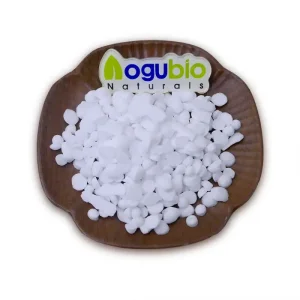
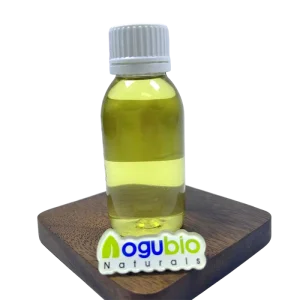
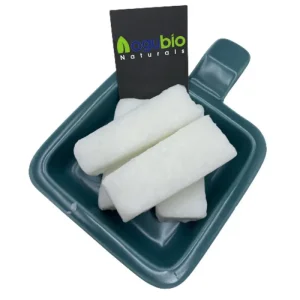
Today's emulsifiers do more than just stabilize. They act as active delivery systems, emollients, and even texture modifiers. For example, Cetyl Alcohol serves both as a co-emulsifier and a thickener that enhances the "velvety" feel of luxury creams.
Leading factories are using artificial intelligence to predict the HLB (Hydrophilic-Lipophilic Balance) requirements of complex formulations, ensuring faster R&D cycles and more stable final products.
Procurement teams from global giants like L'Oréal or Estée Lauder, down to boutique indie brands, seek stability in supply and purity of grade. In the European market, the focus is heavily on Ecocert and COSMOS compliance. In contrast, in the Middle East and Southeast Asia, emulsifiers must withstand high humidity and extreme temperatures, necessitating robust W/O emulsifiers like Sorbitan Oleate.
Our factory understands these localized challenges. Whether it is a lightweight serum for the humid Tokyo market or a rich, barrier-repairing balm for a Nordic winter, the choice of emulsifier—be it Polysorbate 80 or Ceteareth-25—is critical to the product's success.
Founded in 2013 and headquartered in the prestigious high-tech zone of Xi'an, Xi'an Aoge Biotech Co., Ltd., along with its subsidiaries Xi'an Imaherb Biotech Co., Ltd. and Xi'an Nahanutri Biotech Co., Ltd., has established itself as a leading force in the cosmetics raw materials industry.
Our expansive cooperative factory, spanning 1,000 mu (approximately 165 acres), is equipped with state-of-the-art extraction and synthesis technology. This advanced infrastructure allows us to manufacture a wide array of premium cosmetic raw materials. Our product line includes natural plant extracts specifically designed for organic cosmetics, as well as high-purity synthetic ingredients for professional skincare formulations.
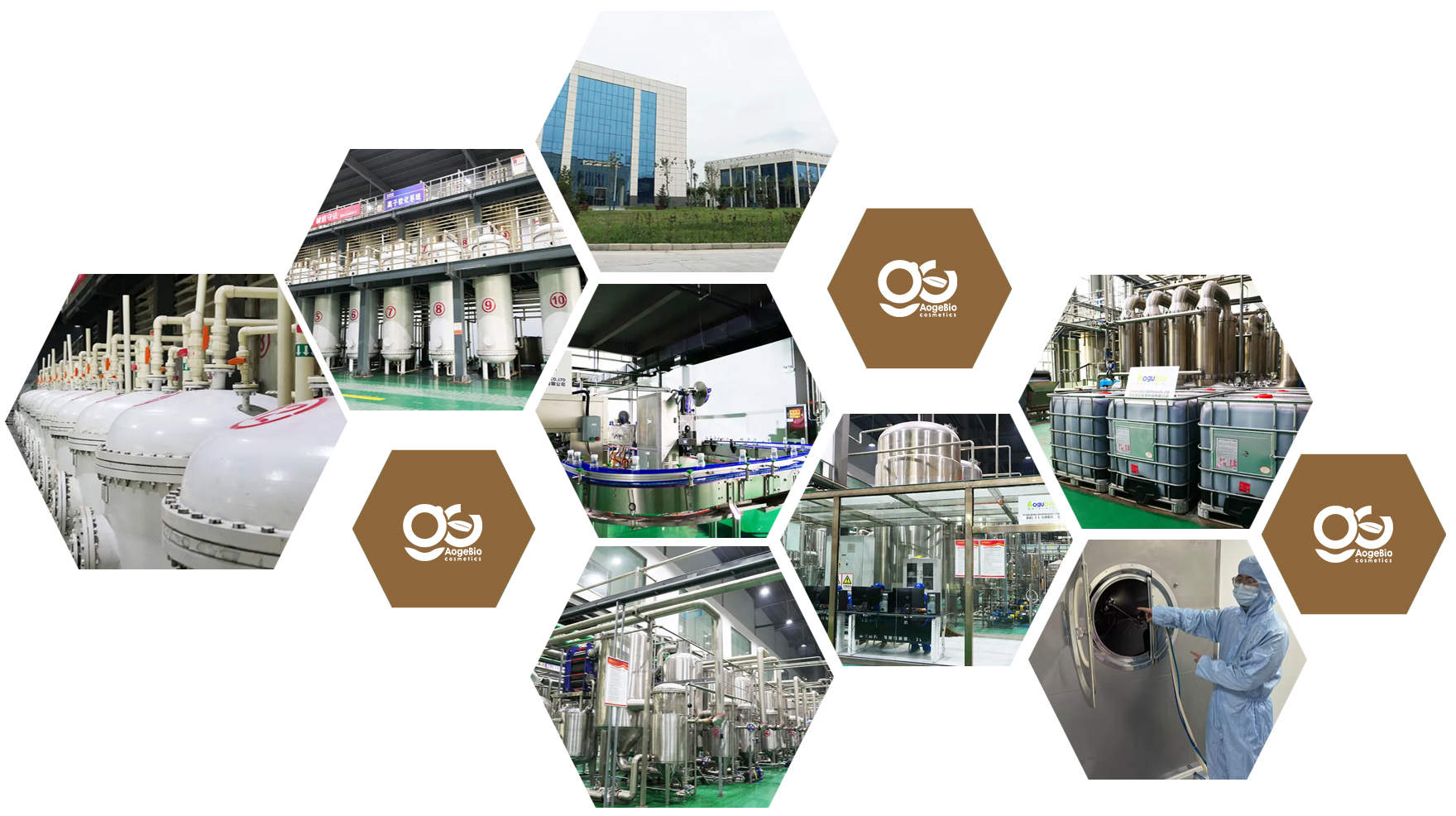
Our in-house lab uses advanced instruments like UPLC, HPLC, GC-MS, and ICP-MS for quality control, ensuring every gram of emulsifier meets strict international standards.
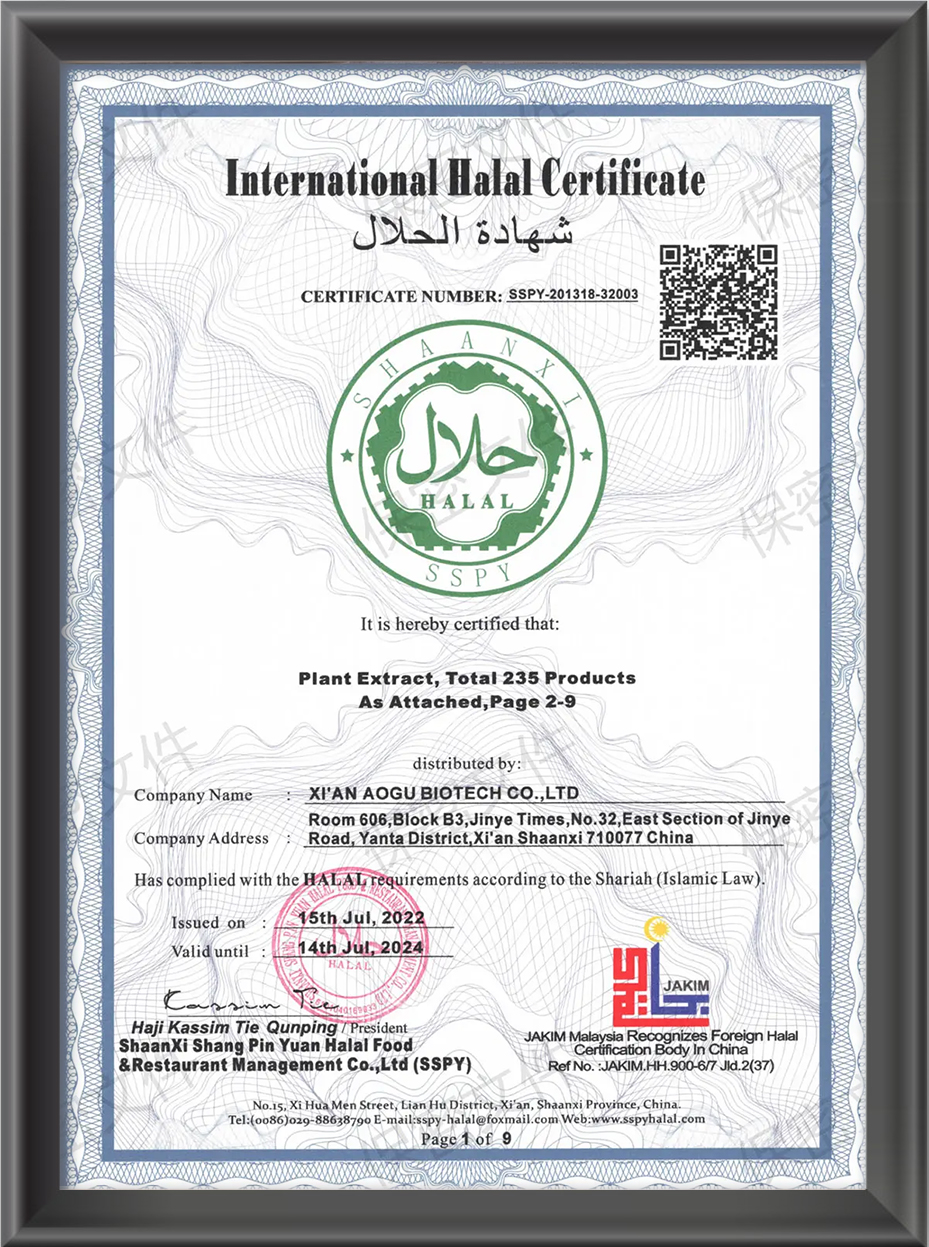
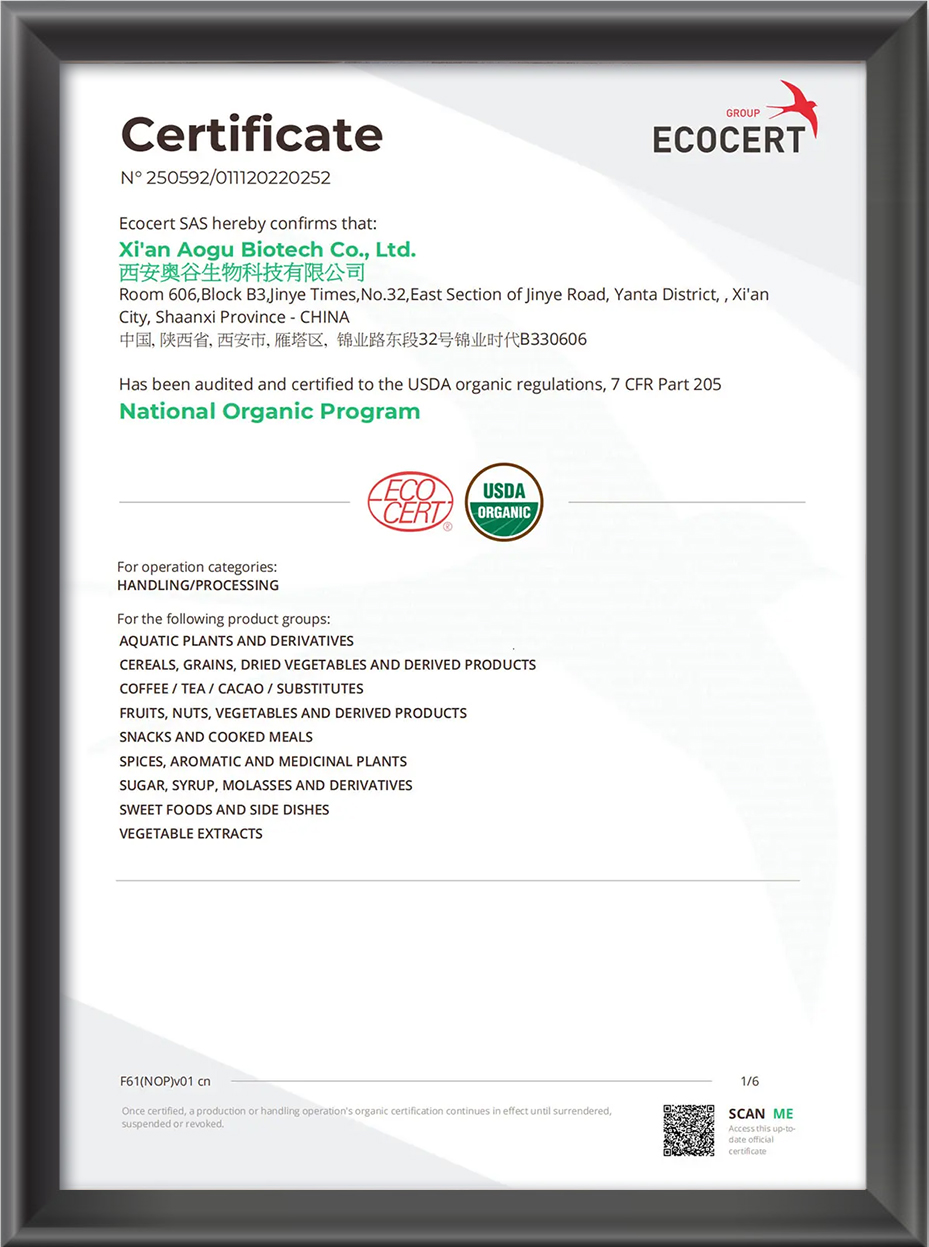
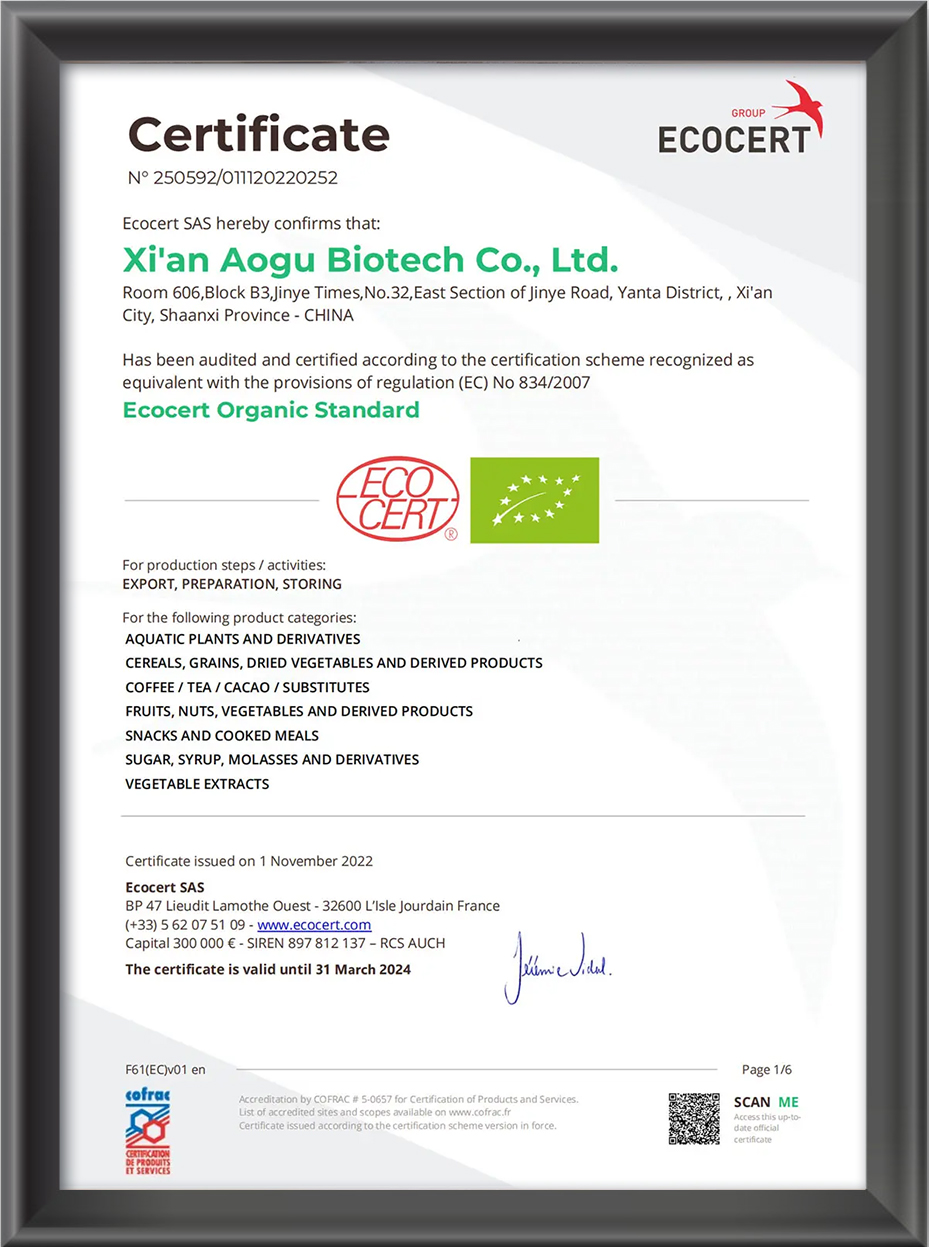
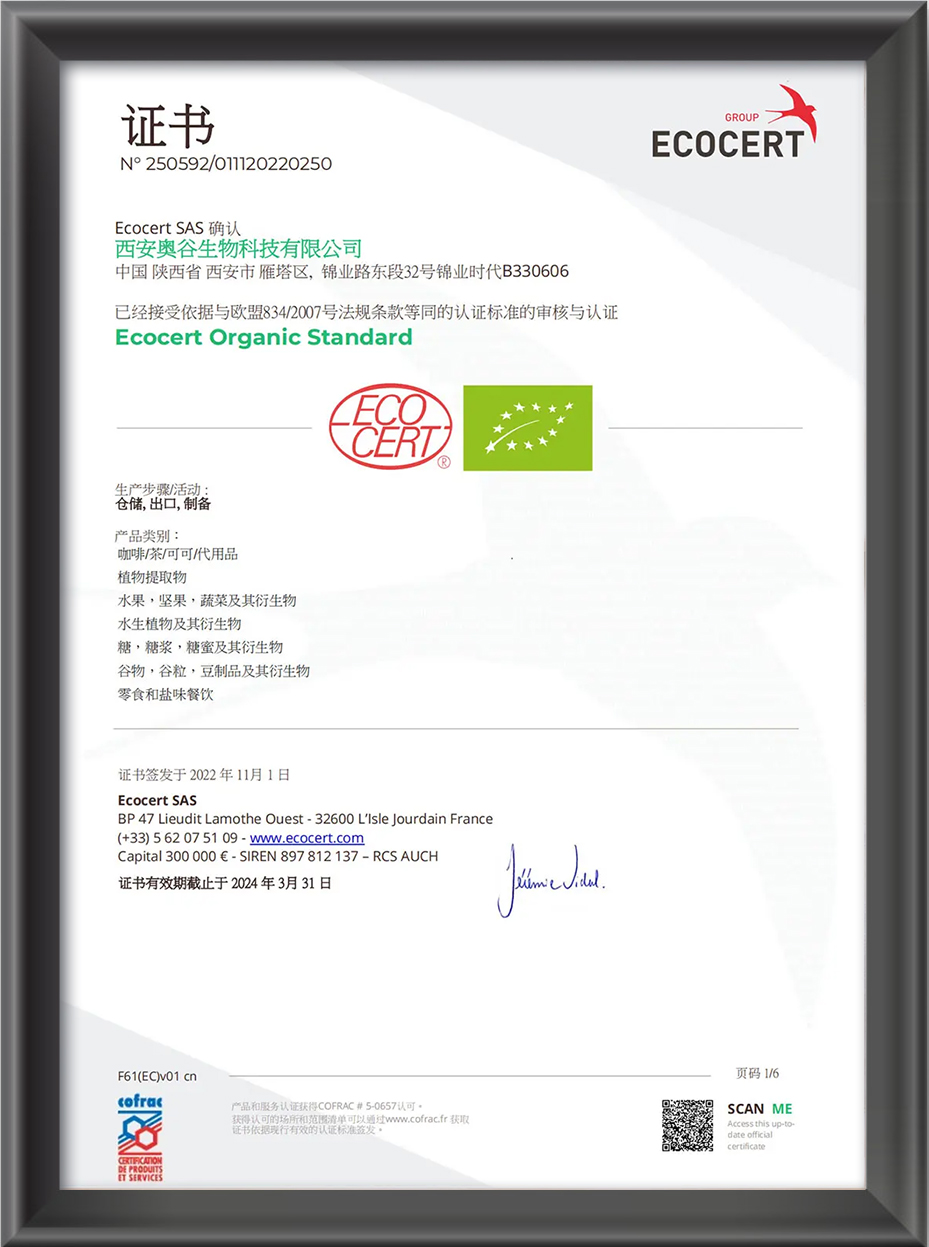
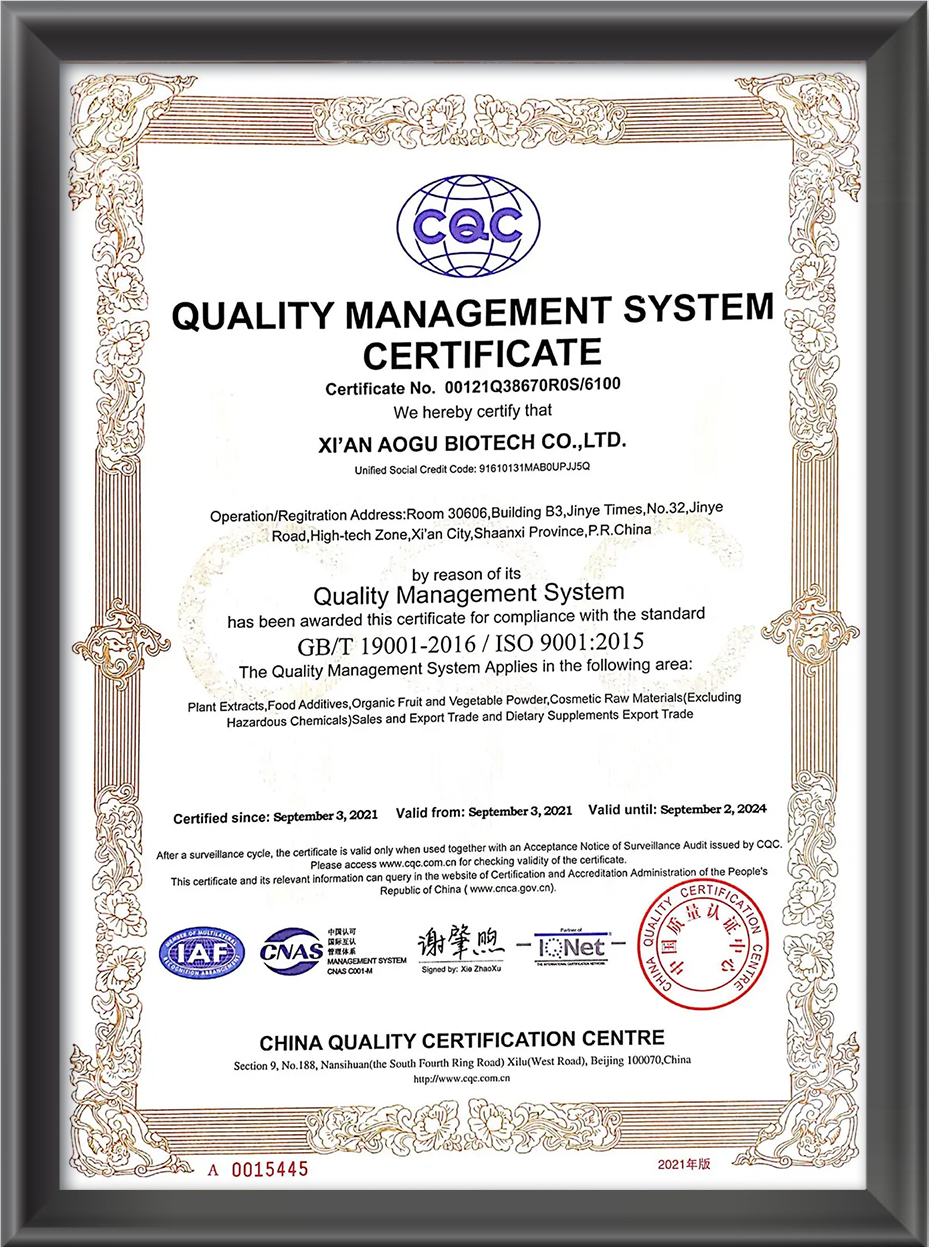
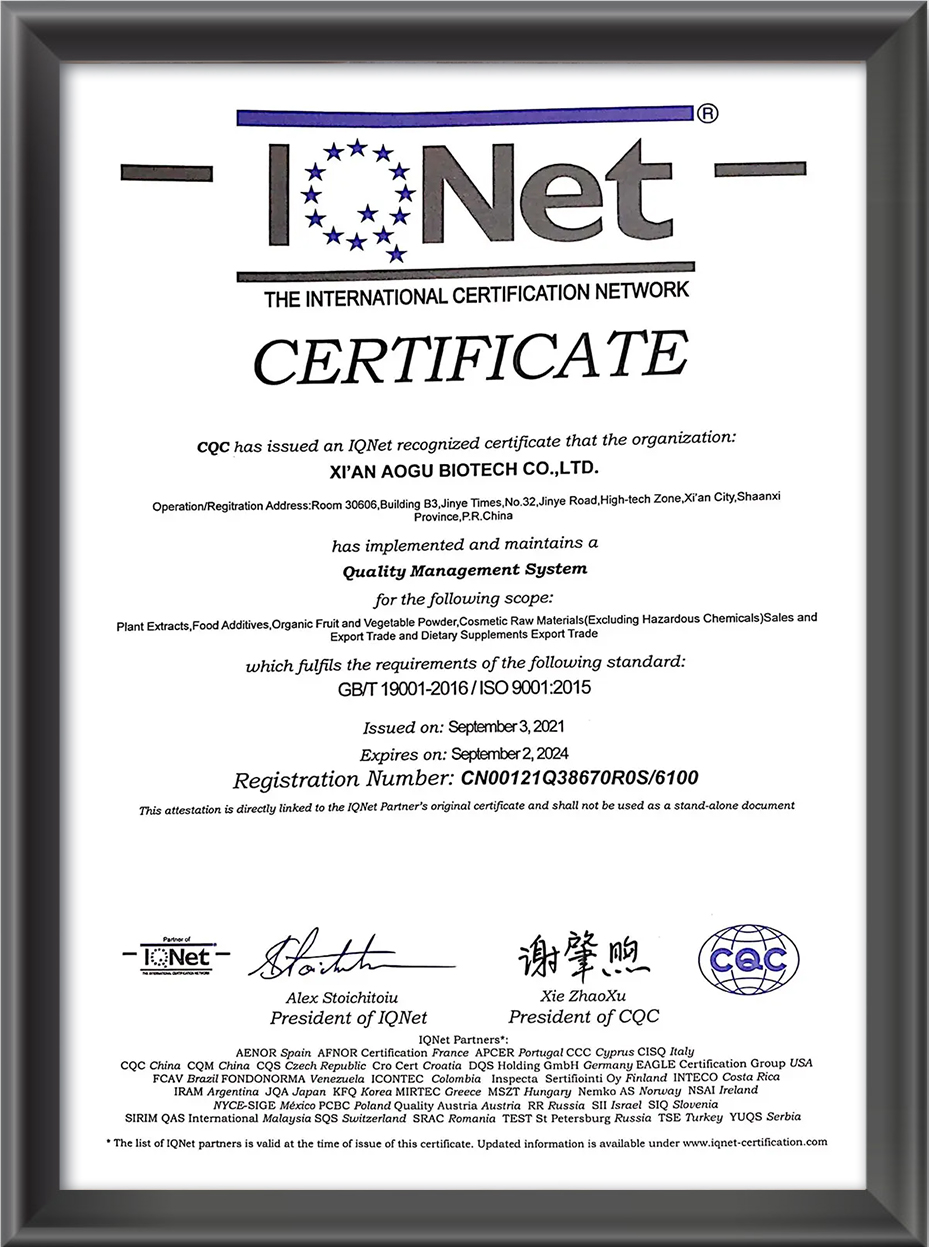
We pour relentless efforts into research and development, constantly exploring novel raw materials and advanced manufacturing techniques to stay ahead in the dynamic cosmetics industry.
Embedded in every step of our production process, from raw material sourcing to final product delivery, guaranteeing adherence to the most stringent international standards.
We actively embrace sustainable practices, striving to minimize our environmental footprint through eco-friendly production methods and responsible sourcing.
Located in Xi'an, a major hub of the "Belt and Road" initiative, we offer superior shipping efficiency and competitive pricing for global wholesalers and cosmetic brands.
At the molecular level, an emulsifier consists of a hydrophilic (water-loving) head and a lipophilic (oil-loving) tail. By reducing the interfacial tension between water and oil, emulsifiers allow these two immiscible substances to form a homogeneous mixture. Our factory specializes in the HLB (Hydrophile-Lipophile Balance) System, helping formulators choose the right ingredients:
• Low HLB (3-6): Ideal for Water-in-Oil (W/O) emulsions like heavy night creams and sun protection. See our Sorbitan Oleate or Sorbitan Stearate.
• High HLB (8-18): Perfect for Oil-in-Water (O/W) emulsions such as light lotions and cleansing milks. See our Polysorbate 20 or Ceteareth-20.
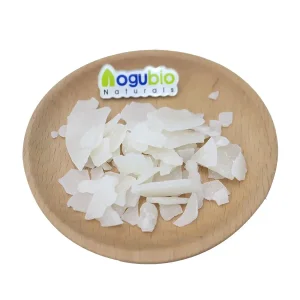
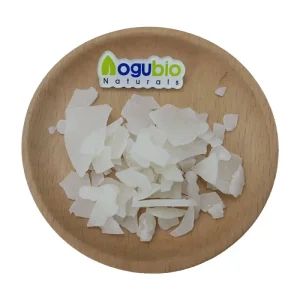
• Co-Emulsifiers: Fatty alcohols like Cetyl Alcohol and Cetearyl Alcohol that stabilize the crystalline network of the emulsion, providing body and texture.
As a China-based factory, we leverage the vast agricultural resources to produce plant-derived versions of these chemicals, ensuring that your final products are not only effective but also comply with the modern "Clean Beauty" standards demanded by consumers in New York, London, and Paris.
 Aogebio Cosmetic