Kojic Acid Powder is increasingly recognized in the skincare industry for its remarkable benefits. According to a recent market analysis by Grand View Research, the global kojic acid market is projected to reach $105 million by 2025. This growth is driven by rising demand for natural skin brightening agents. Expert Dr. Emily Chen, a renowned dermatologist, states, "Kojic Acid Powder is a powerful alternative for those seeking effective skin lightening without harsh chemicals."
The powder’s utility extends beyond skincare products. It’s also being used in food preservation due to its antifungal properties. Many global buyers appreciate its versatility and effectiveness. However, the industry must navigate challenges related to sourcing and product purity. There are still questions about the stability of kojic acid in formulations, which can affect its overall efficacy.
Kojic Acid Powder offers significant advantages, but not without its challenges. Consumer awareness and education are crucial. As demand grows, buyers should remain diligent in selecting trusted products. A reliable source can ensure safety and effectiveness in usage.
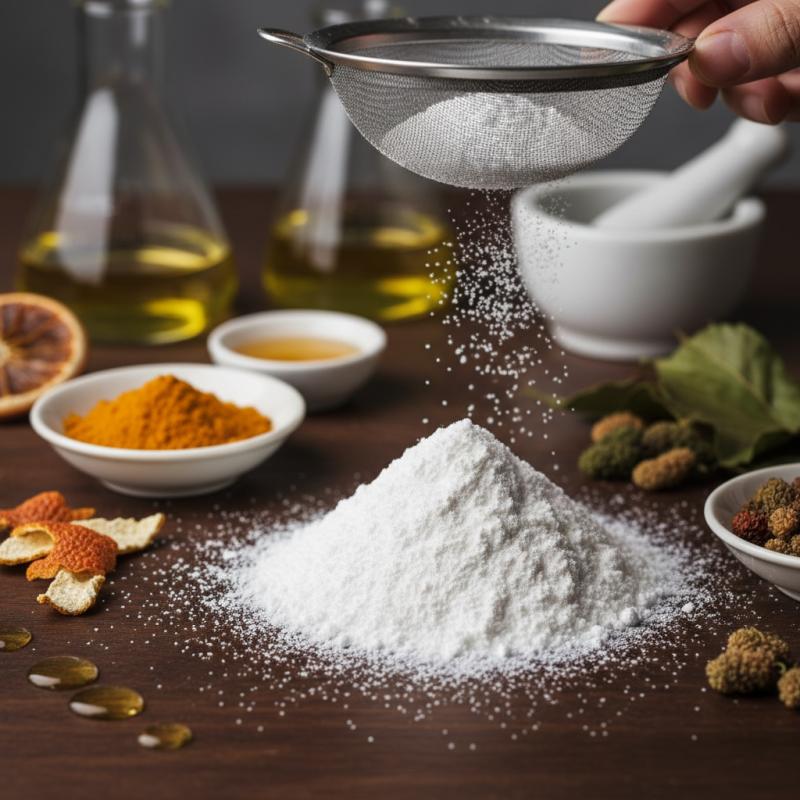
Kojic acid powder is gaining traction in various industries, notably skincare and cosmetics. With its origin in fungal fermentation, this compound has demonstrated substantial effectiveness in inhibiting melanin production. According to a 2022 market report, the global kojic acid market is projected to grow by 6.2% annually. This showcases its rising popularity among consumers seeking skin-lightening solutions.
In skincare, kojic acid is recognized for its ability to reduce hyperpigmentation and dark spots. A clinical study indicated that 75% of participants experienced visible improvements after using products with this ingredient for just four weeks. However, its effectiveness can vary based on skin types. Some users may experience irritation, highlighting the importance of patch testing before extensive application. It is critical to approach its use with mindfulness.
Beyond cosmetics, kojic acid also finds applications in food preservation. Its antioxidant properties contribute to extending shelf life. This dual utility makes it appealing to a broader range of industries. Still, further research is needed to fully understand its long-term effects in both applications. Industry experts are keen to explore these dimensions to unlock the full potential of kojic acid powder.
| Use | Description | Benefits | Target Audience |
|---|---|---|---|
| Skincare | Used as a skin brightening agent to reduce hyperpigmentation. | Helps to achieve a more even skin tone. | Individuals with dark spots or uneven skin tone. |
| Cosmetic Formulations | Incorporated into creams, lotions, and serums. | Enhances the overall effectiveness of products. | Cosmetic manufacturers and formulators. |
| Food Preservation | Acts as a natural preservative in food products. | Prolongs the shelf life of foods. | Food manufacturers and processors. |
| Hair Care | Used in hair products for its lightening properties. | Can reduce the appearance of unwanted pigmentation on the scalp. | Individuals seeking to lighten their hair roots. |
| Analytical Chemistry | Used in various tests and assessments in laboratories. | Facilitates the analysis of substances. | Research institutions and laboratories. |
: Kojic acid powder is a compound derived from fungal fermentation. It is used primarily in skincare and cosmetics.
It can reduce hyperpigmentation and dark spots, improving overall skin appearance.
About 75% of users saw improvements in four weeks, but results may vary with different skin types.
Yes, some individuals may experience irritation like redness or itching. Patch testing is recommended before use.
Start with lower concentrations and increase gradually. Always follow product instructions carefully.
If irritation occurs, discontinue use immediately and consult a dermatologist if needed.
No, those with sensitive skin might not tolerate it well. Monitor your skin’s reactions closely.
Yes, its antioxidant properties help extend shelf life in food products.
Approach its use mindfully and respect your body’s limits to avoid complications.
More studies are needed to understand its long-term effects and potential in various applications.
Kojic Acid Powder is a versatile ingredient widely used for its skin-lightening properties and antioxidant benefits. It works by inhibiting melanin production, making it a popular choice in the cosmetic industry for products aimed at reducing hyperpigmentation and improving overall skin tone. Additionally, its properties make it valuable in various applications beyond skincare, including food preservation and pharmaceutical formulations.
When selecting Kojic Acid Powder, global buyers should prioritize quality and safety, ensuring they understand the potential side effects associated with its use. Adhering to appropriate guidelines can aid in effective application in various industries while maximizing the benefits of this powerful compound.

 Aogebio Cosmetic