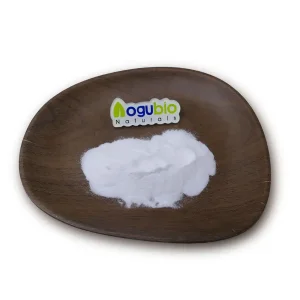
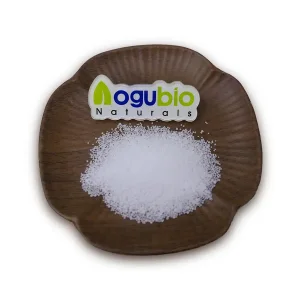
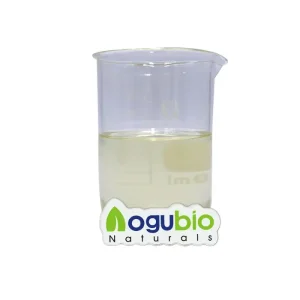
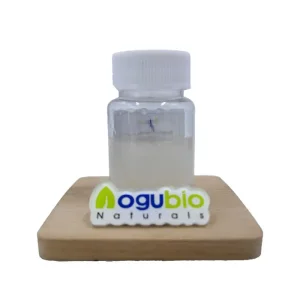
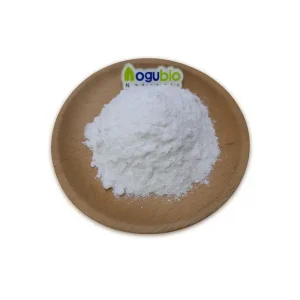
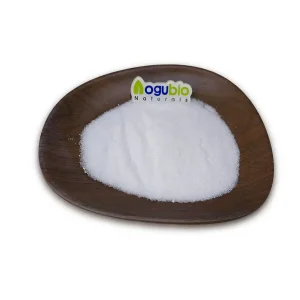
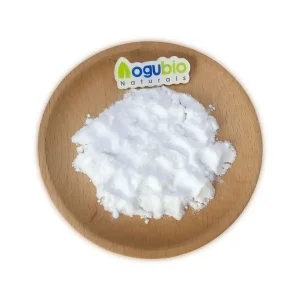
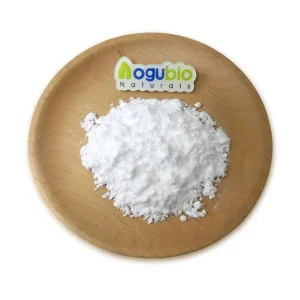
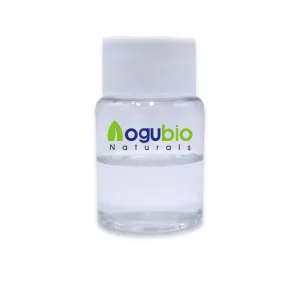
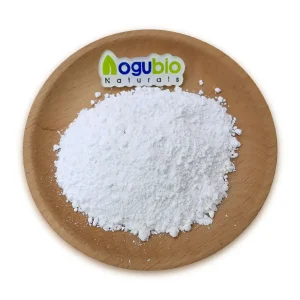
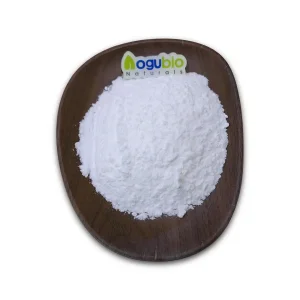
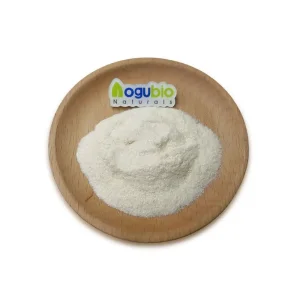
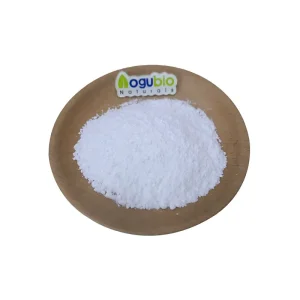
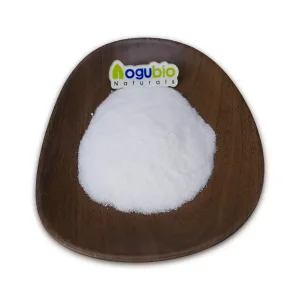
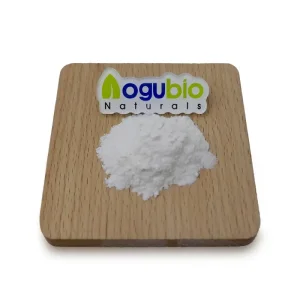
Polyglutamic Acid (PGA), particularly in its pure gamma-form (γ-PGA), has emerged as a revolutionary biopolymer in the global market. Unlike traditional humectants, PGA is a naturally occurring, water-soluble, and biodegradable polypeptide produced through microbial fermentation of Bacillus subtilis.
As of 2024, the global demand for OEM Pure Polyglutamic Acid is surging, driven by its exceptional ability to hold water—up to 5,000 times its weight. This makes it significantly more potent than Hyaluronic Acid. Manufacturers worldwide are shifting from synthetic thickeners to bio-based polymers, positioning PGA at the forefront of the "Clean Beauty" and "Sustainable Industrial" movements.
Current trends emphasize the use of Cross-linked PGA and dual-molecular-weight formulations. High molecular weight (HMW) PGA forms a protective film to prevent TEWL (Transepidermal Water Loss), while low molecular weight (LMW) PGA penetrates deep to improve skin elasticity.
Global brands are prioritizing Pure Polyglutamic Acid Manufacturers who use non-GMO plant-based substrates (like soybean) for fermentation, aligning with vegan and eco-conscious consumer standards.
PGA is no longer used in isolation. The market is seeing a rise in "PGA + HA" complexes, where PGA inhibits the enzyme hyaluronidase, thereby preserving the skin's natural and applied hyaluronic acid levels.
Procured by high-end skincare brands for anti-aging serums, intensive hydration masks, and whitening creams. It serves as a superior delivery system for other active ingredients.
Industrial grade PGA is used as a fertilizer synergist to improve nutrient absorption and soil water retention, particularly in arid regions of the Middle East and Africa.
Used in drug delivery systems and wound dressings due to its biocompatibility and non-toxic degradation products, meeting strict medical-grade sourcing requirements.
Founded in 2013 and headquartered in the prestigious high-tech zone of Xi'an, Xi'an Aoge Biotech Co., Ltd., along with its subsidiaries Xi'an Imaherb Biotech Co., Ltd. and Xi'an Nahanutri Biotech Co., Ltd., has established itself as a leading force in the cosmetics raw materials industry.
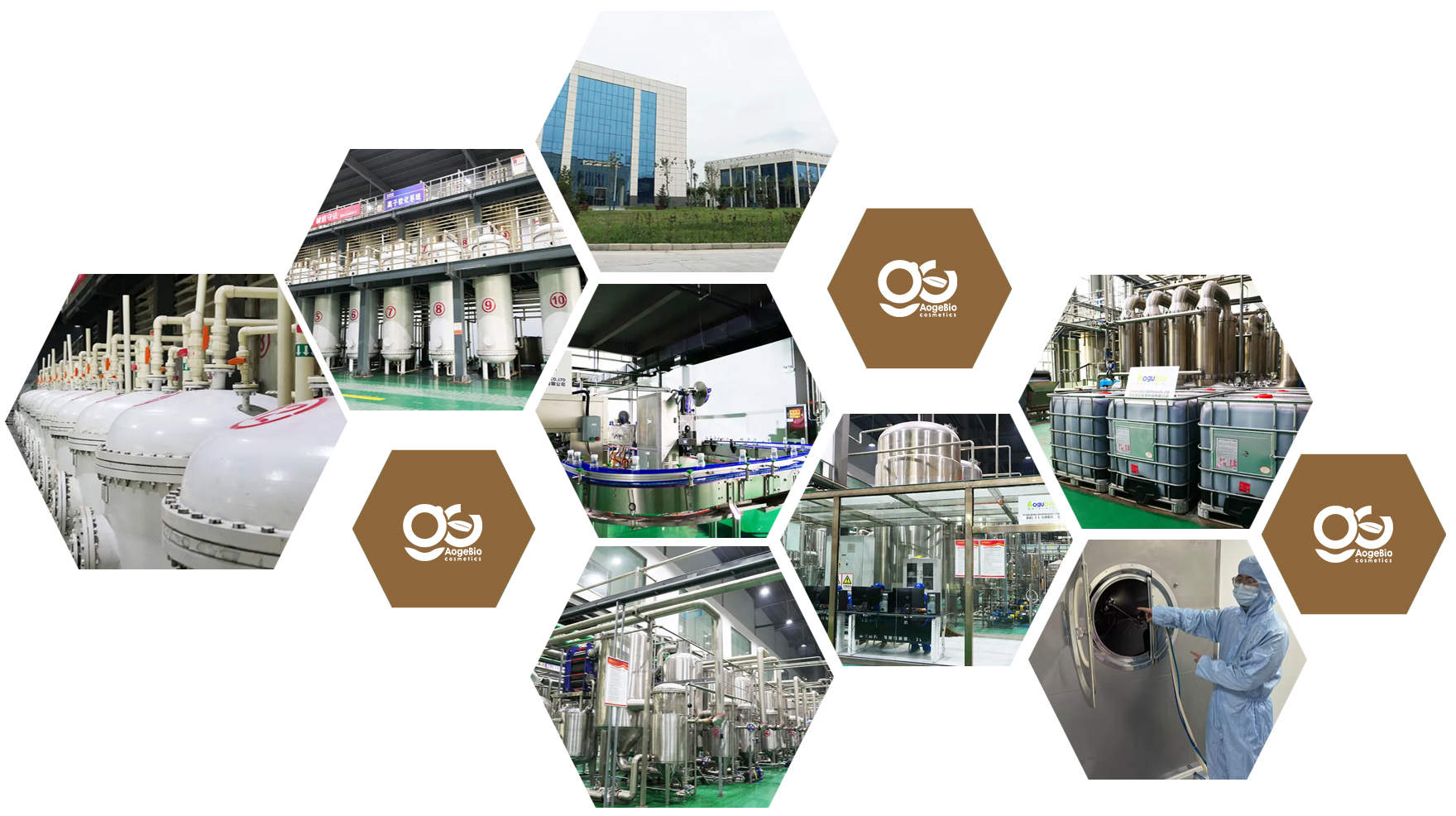
Our expansive cooperative factory, spanning 1,000 mu (approximately 165 acres), is equipped with state-of-the-art extraction technology. This advanced infrastructure allows us to manufacture a wide array of premium cosmetic raw materials. Our product line includes natural plant extracts specifically designed for organic cosmetics, as well as synthetic ingredients for high-end skincare formulations.
As a premier Pure Polyglutamic Acid Factory, we combine cost-efficiency with uncompromising quality. Our strategic location in Xi'an's biotech hub allows us to integrate the latest R&D into large-scale production.
We pour relentless efforts into research and development, constantly exploring novel raw materials and advanced manufacturing techniques to stay ahead in the dynamic cosmetics industry.
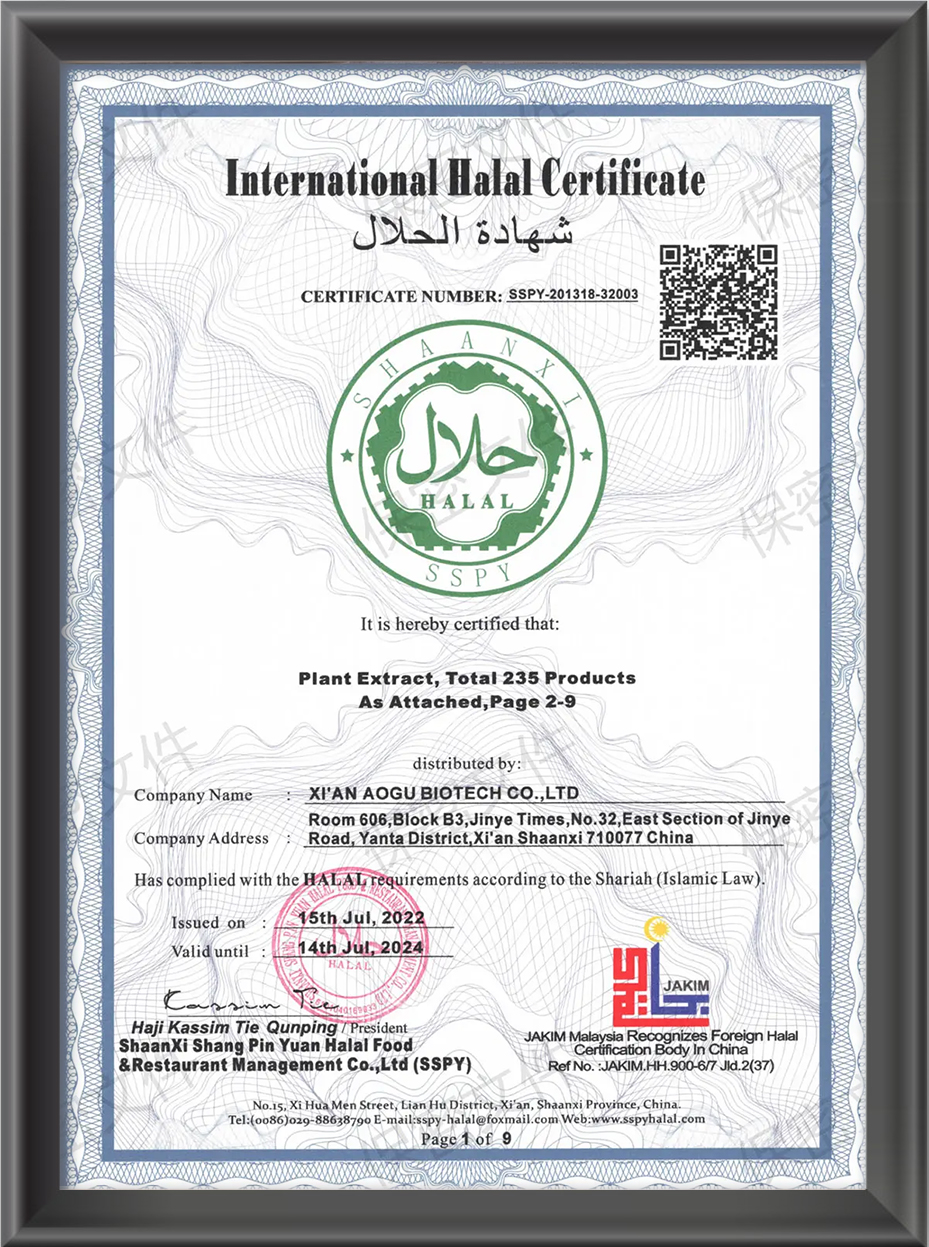
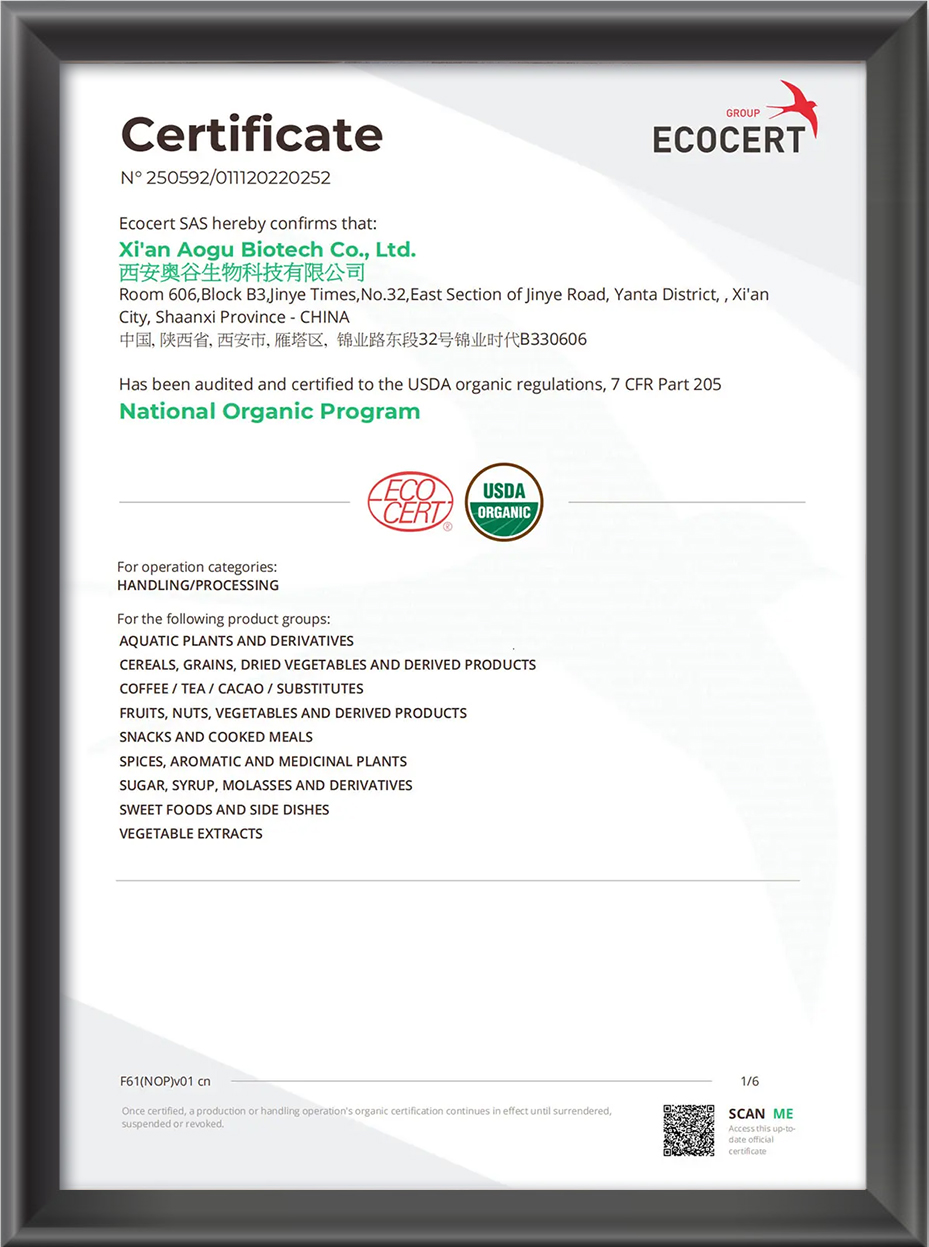
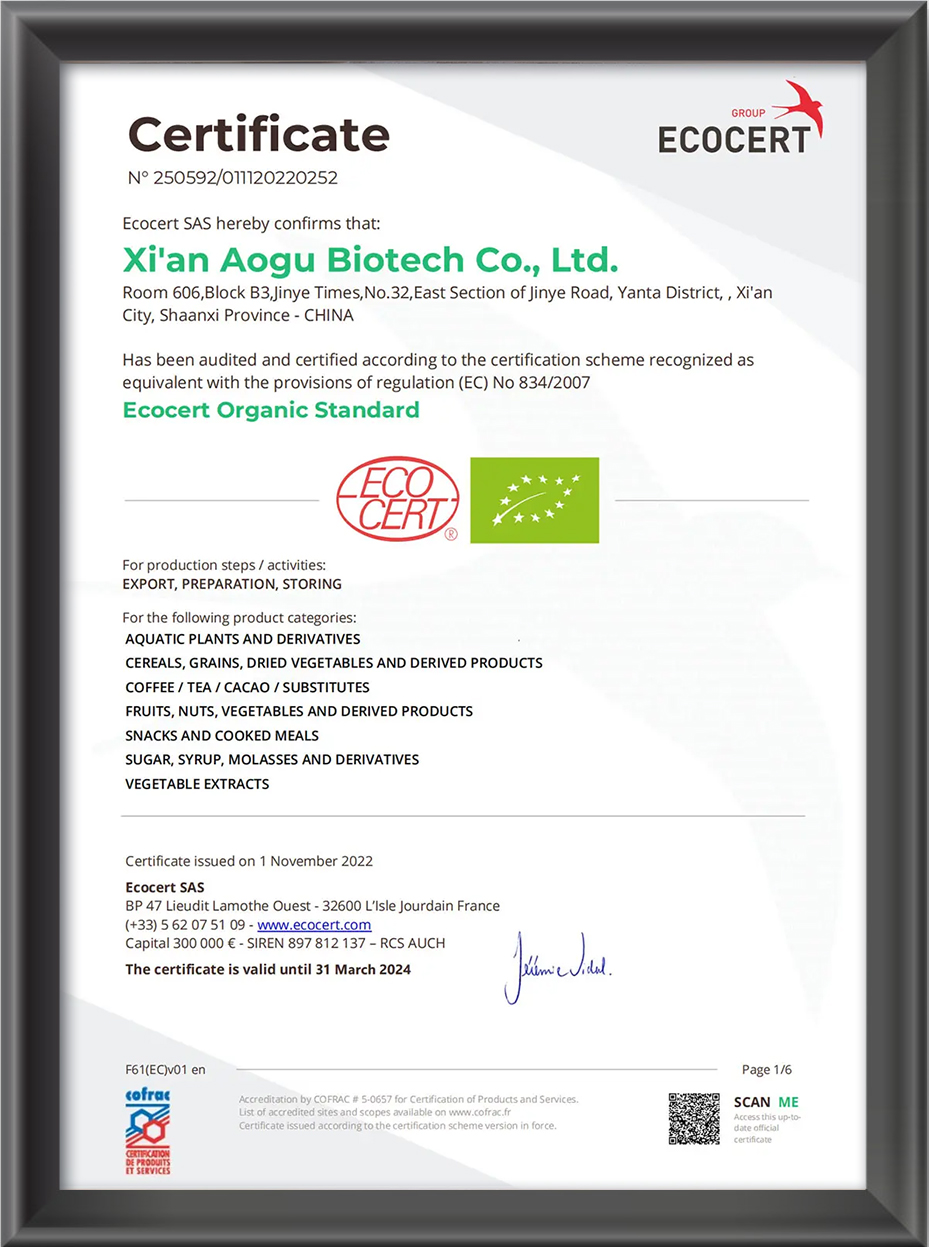
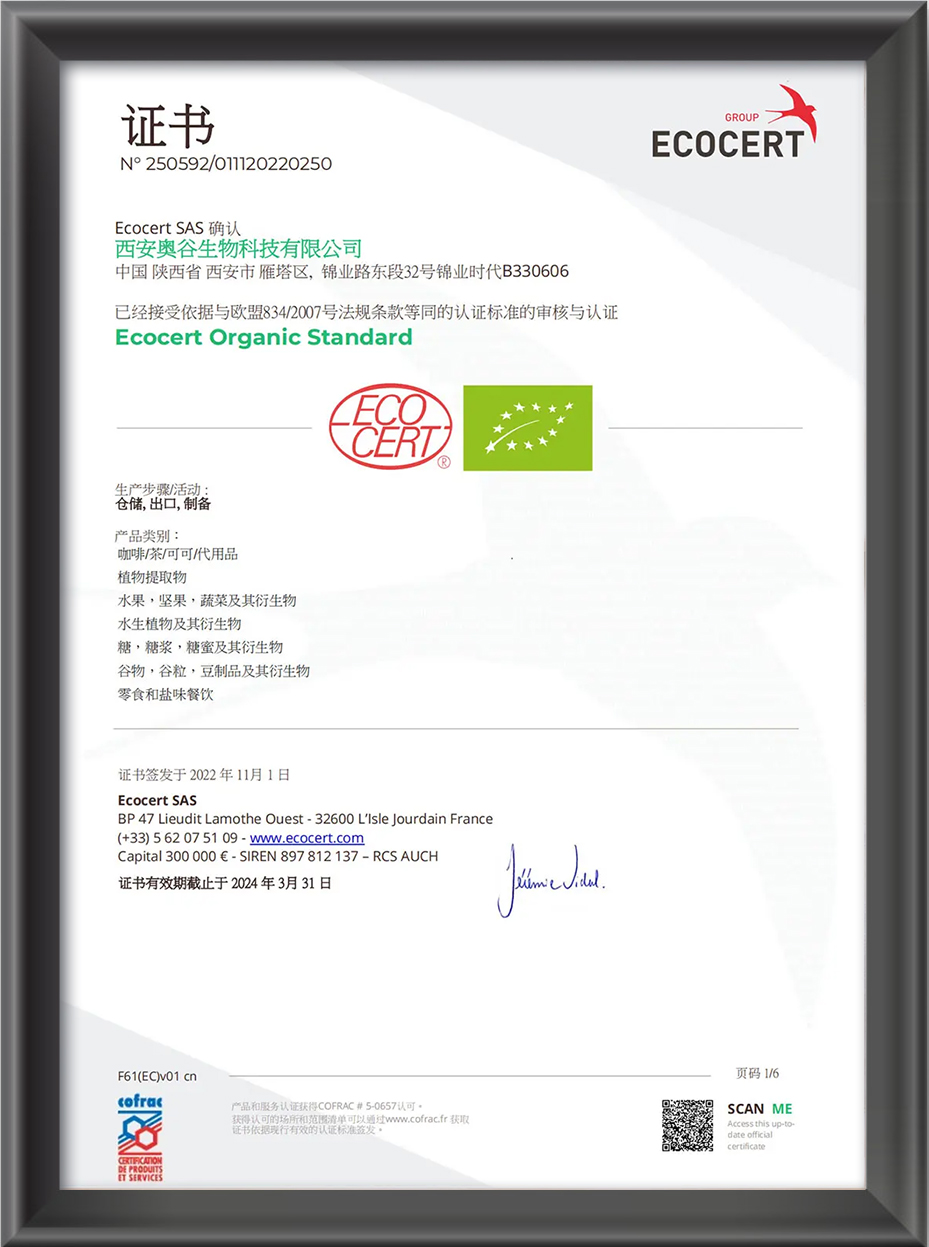
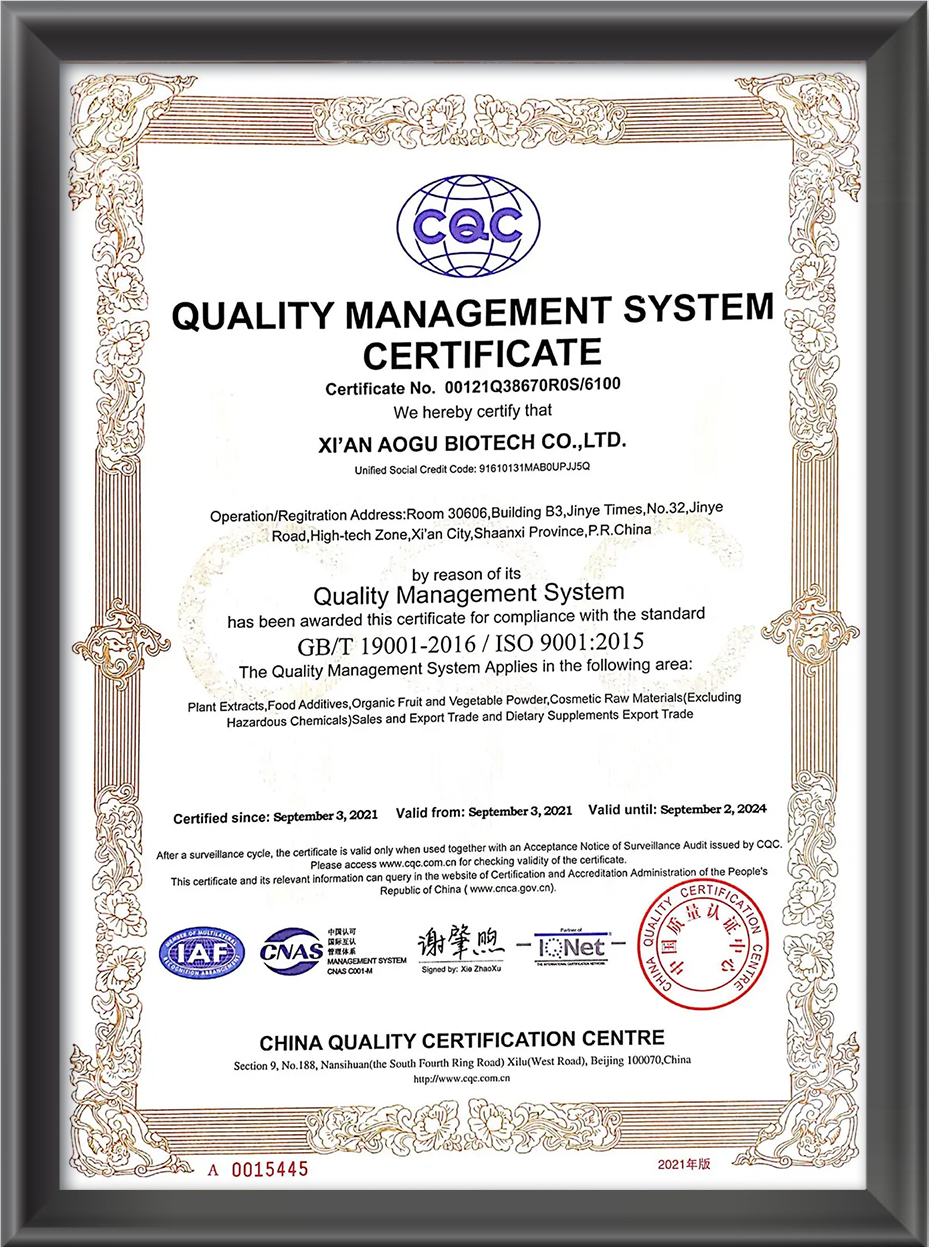
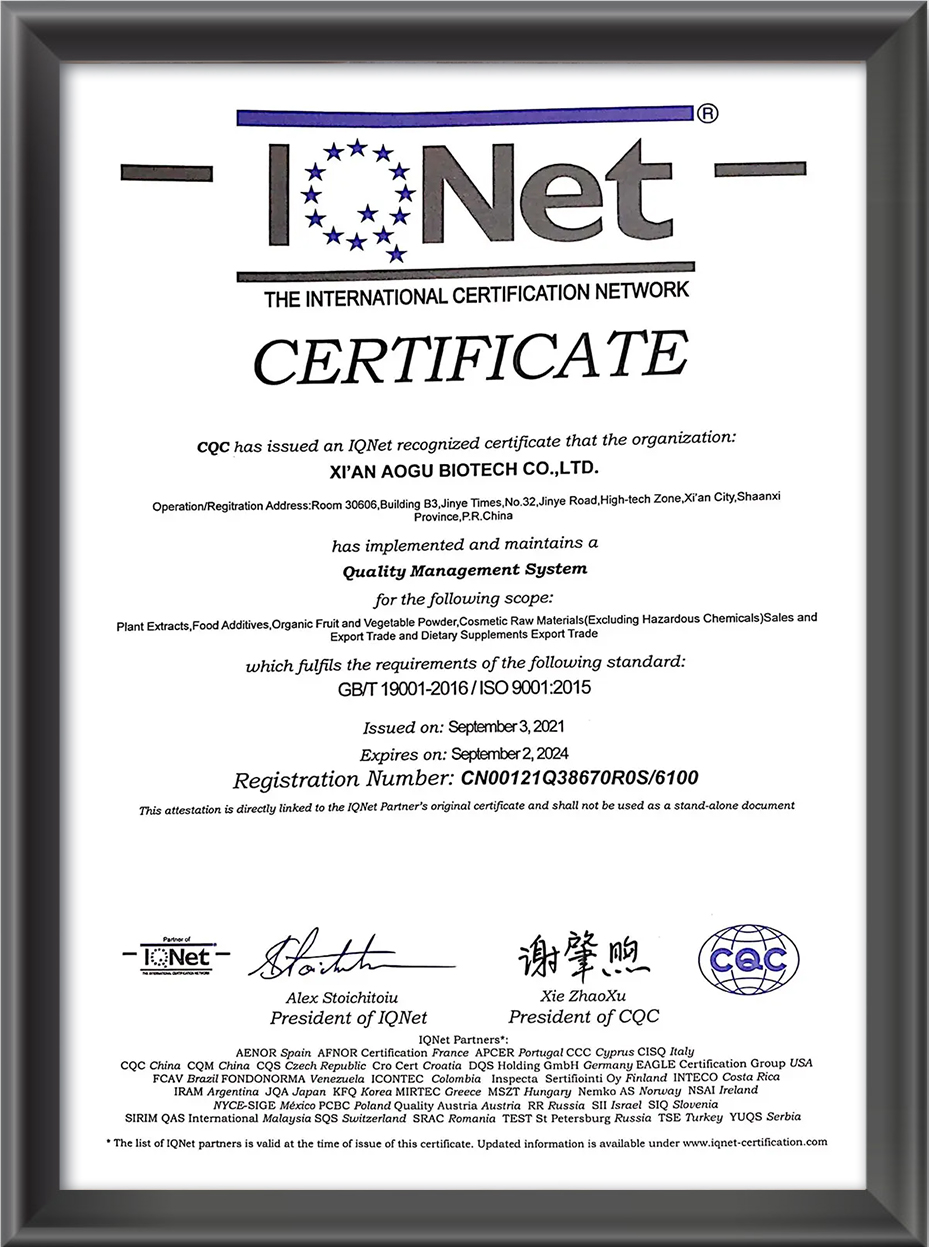
Rigorous quality control is embedded in every step of our production process, from raw material sourcing to final product delivery, guaranteeing that each item adheres to international standards.
We actively embrace sustainable practices, striving to minimize our environmental footprint through eco-friendly production methods and responsible sourcing.
Ensuring raw materials meet strict international standards with advanced instruments like UPLC, HPLC, GC-MS, and ICP-MS.
The chemical structure of Pure Polyglutamic Acid is a series of glutamic acid molecules linked by peptide bonds between the α-amino and γ-carboxylic acid groups. This unique structure is what grants the molecule its anionic charge, allowing it to attract and bind moisture with incredible efficiency.
For industrial buyers, understanding the Polydispersity Index (PDI) and the concentration of the purity is crucial. Our factory produces PGA with high purity levels (>95%), ensuring that the cosmetic formulations remain stable, non-sticky, and provide a silky skin feel. By choosing an OEM Pure Polyglutamic Acid Manufacturer with integrated supply chain capabilities, brands can customize the concentration (from powder to liquid) to suit specific product types such as essences, toners, or heavy creams.
Furthermore, PGA's role in inhibiting melanin production is an emerging area of research, making it a dual-action ingredient for both hydration and brightening—a key selling point for Asian and Western markets alike.
 Aogebio Cosmetic