Custom Chitosan in Cosmetics The Ultimate Natural Film-Former & Moisturizer Manufacturer, Companies

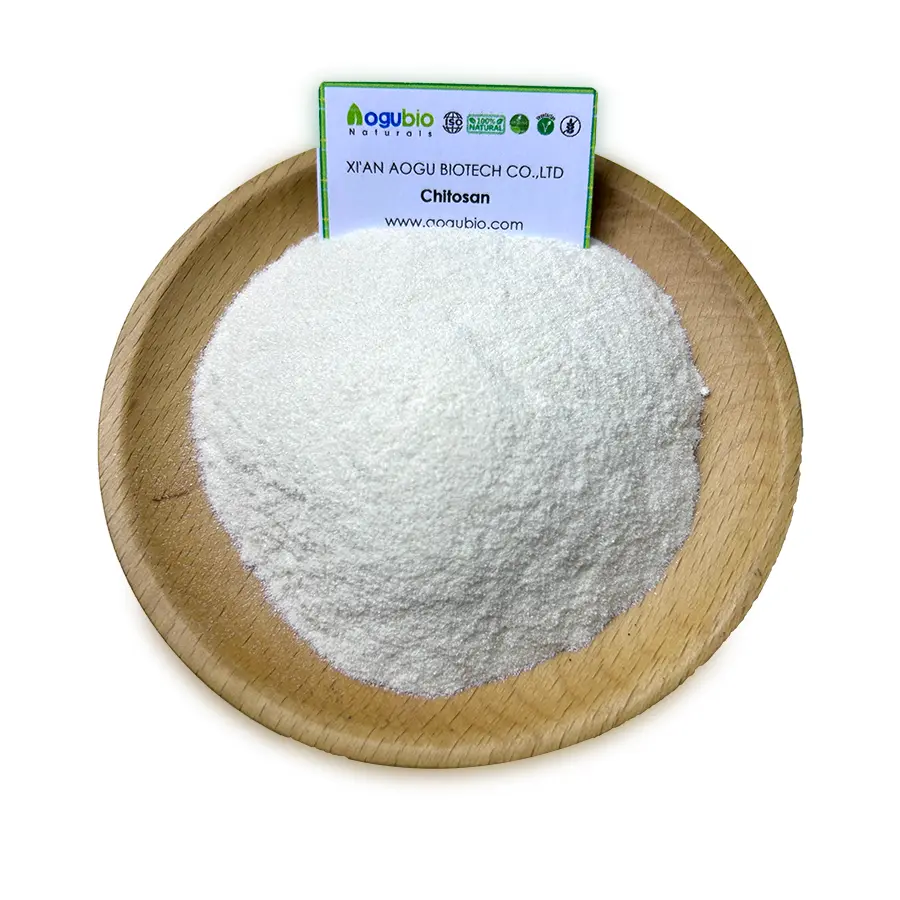
Products Name  Chitosan
CAS No  9012-76-4
INCI Name  Chitosan
Specification  ≥90%
Molecular Weight  50-2000 kDa (customizable)
Chemical Formula  (C₆H₁₁NO₄)ₙ
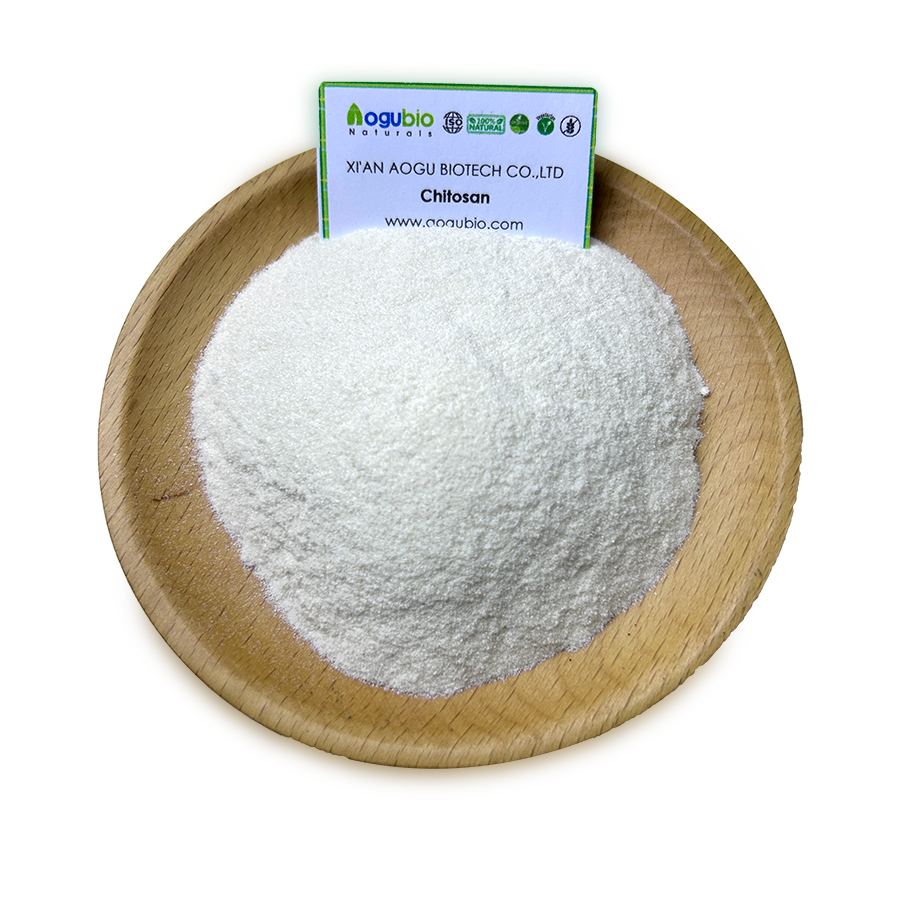
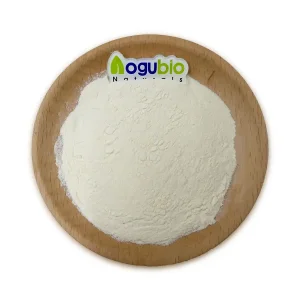
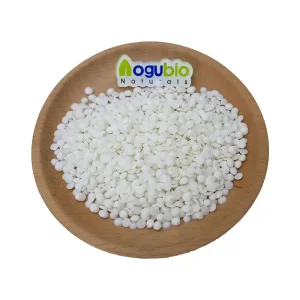
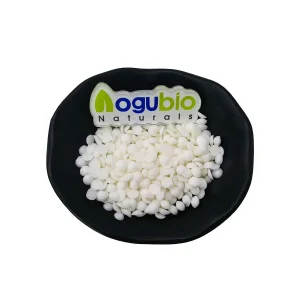
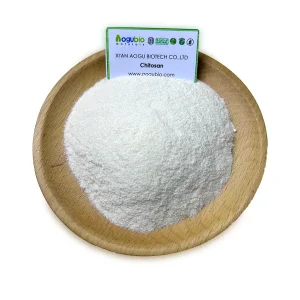
Appearance  Off-white to cream colored powder
Solubility  Insoluble in water/alkaline solutions

Product Description

Product Description

Chitosan
Chitosan is a natural polysaccharide derived from chitin through deacetylation, primarily obtained from the exoskeletons of crustaceans or fungal cell walls. Its chemical structure is a linear polymer of β-(1,4)-2-amino-2-deoxy-D-glucose, featuring abundant amino (-NH₂) and hydroxyl (-OH) groups. These groups endow it with excellent film-forming ability, moisturizing property, antibacterial activity, and cationic characteristics. As a biodegradable natural polymer, chitosan is widely used in functional skincare, haircare, and eco-friendly formulations, especially for sensitive skin, anti-aging, and repair products.

Premium Chitosan is a natural biopolymer derived from crustacean shells that revolutionizes cosmetic performance through its unique film-forming, moisturizing, and protective properties. Specially processed for cosmetic applications, our Chitosan delivers exceptional bioadhesion, moisture retention, and antimicrobial benefits across skincare and haircare products.

Key Benefits:
  • Intense Hydration Lock: Forms breathable films that reduce transepidermal water loss (TEWL)
  • Smart Delivery System: Enhances penetration of active ingredients
  • Natural Preservative Boost: Reduces reliance on synthetic antimicrobials
  • Hair Repair Magic: Creates cationic films that repair damaged cuticles
  • Eco-Conscious Performance: 100% biodegradable and sustainably sourced

Main Benefits

Moisturizing
Superior Film-Forming & Moisturizing
Forms a breathable, flexible protective film on the skin to reduce water evaporation and enhance stratum corneum hydration. Amino groups strengthen moisture-locking capacity.
Antibacterial
Antibacterial & Anti-Inflammatory
Cationic nature allows adsorption to negatively charged bacterial cell membranes, inhibiting microbes like Propionibacterium acnes.
Antioxidant
Antioxidant & Anti-Aging
Scavenges free radicals, inhibits lipid peroxidation, and promotes collagen synthesis to improve skin elasticity and reduce fine lines.
Purification
Adsorption & Purification
Adsorbs skin surface oil and heavy metal ions. Acts as a natural flocculant to purify impurities, enhancing product transparency.

Usage & Technical Data

Recommended Dosage: 0.1-2% (skincare), 0.5-3% (haircare); high concentrations may affect texture.

Preparation Process: Disperse chitosan in acidic aqueous phase first, then emulsify with oil phase, avoiding high temperatures (>60°C) to prevent molecular structure damage.

Technical Specs: Available in multiple molecular weights (50-2000 kDa) and deacetylation degrees (75-95%) for unparalleled formulation flexibility.

Applications

Commonly used in sensitive skin serums, post-operative repair masks, and baby diaper creams.
Skincare

Skincare Products

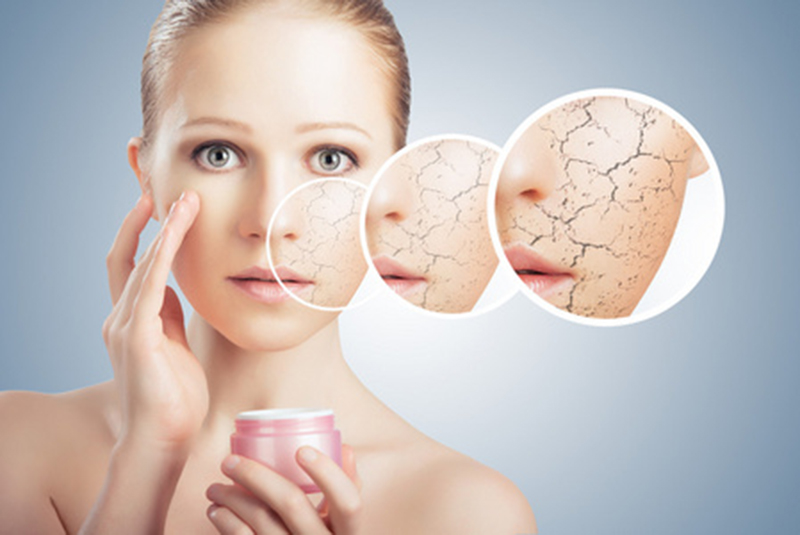
Moisture-locking film, reduces TEWL, relieves eczema and dermatitis.
Haircare

Haircare Products

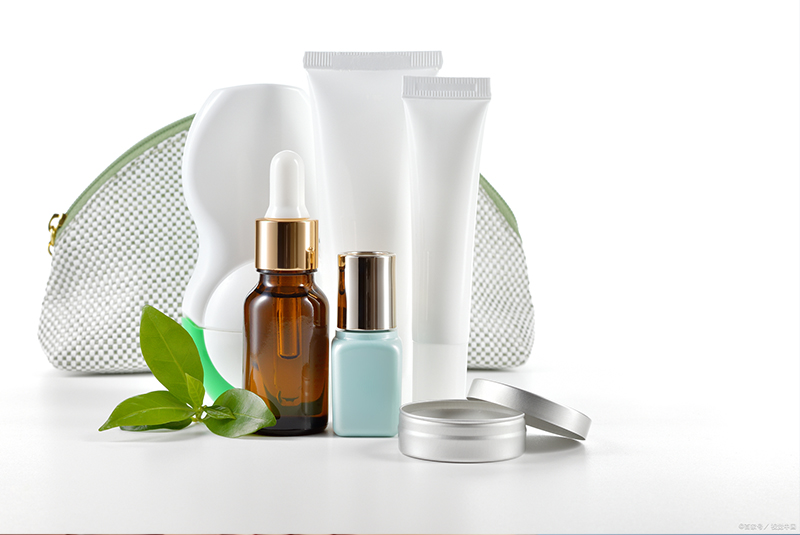
Repairs hair cuticles, protects against UV/chemical damage, anti-static.
Suncare

Suncare & Cosmetics

Enhances UV filter adhesion and improves makeup adherence.
Cleansing

Cleansing

Chelates heavy metal ions and gently exfoliates dead skin.

Storage Storage Dry place, room temp
Animal Testing Cruelty Free Not animal tested
Vegan No Animal Content Biopolymer source
GMO GMO Status No data available

Frequently Asked Questions

1. What are the primary cosmetic benefits of Chitosan?
Chitosan acts as a powerful film-former and moisturizer. It creates a breathable barrier on the skin to lock in hydration and protects the skin and hair from environmental pollutants.
2. Is Chitosan suitable for sensitive skin formulations?
Yes, due to its natural origin, biocompatibility, and anti-inflammatory properties, it is frequently used in sensitive skin serums and post-operative repair products.
3. How does Chitosan benefit haircare products?
Its cationic nature allows it to adsorb to negatively charged hair cuticles, effectively repairing damage, reducing static, and forming a protective film against UV or chemical stress.
4. What is the recommended preparation method for Chitosan?
Chitosan should first be dispersed in an acidic aqueous phase. During formulation, avoid temperatures exceeding 60°C to ensure the molecular structure remains intact.
5. Can Chitosan be used as a natural preservative boost?
Yes, its inherent antibacterial properties help inhibit the growth of microbes, which can help reduce the reliance on synthetic antimicrobials in eco-friendly formulations.
6. Is Chitosan biodegradable and sustainable?
Absolutely. Chitosan is 100% biodegradable and sustainably sourced, making it an ideal choice for eco-conscious cosmetic brands.

Related Products