Product Description
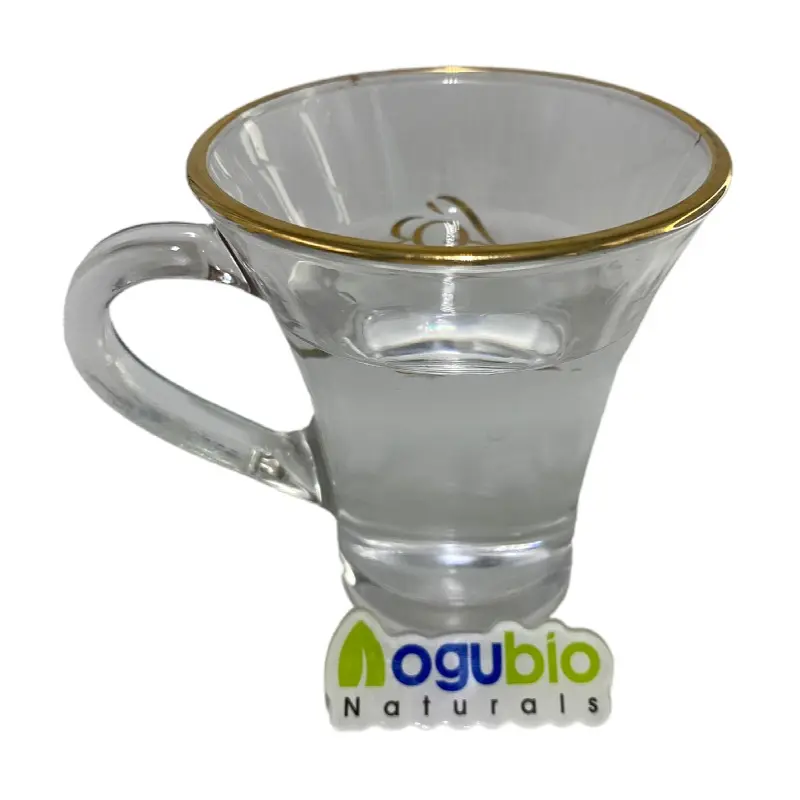
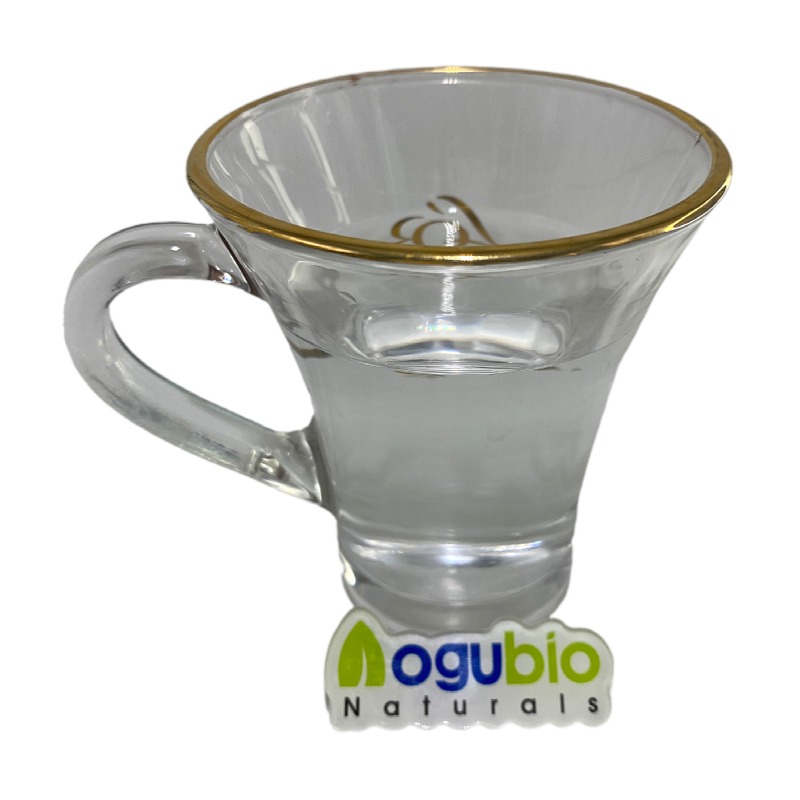
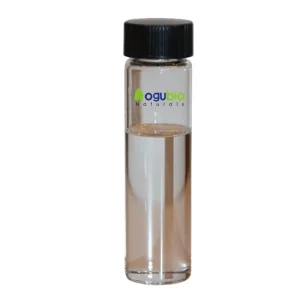
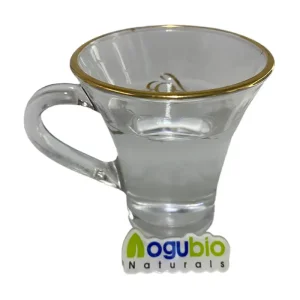
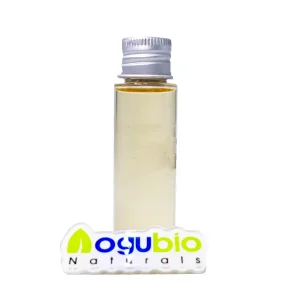
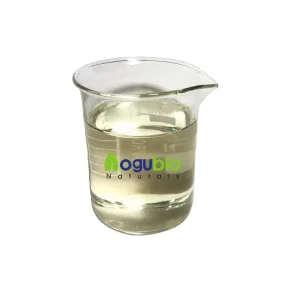
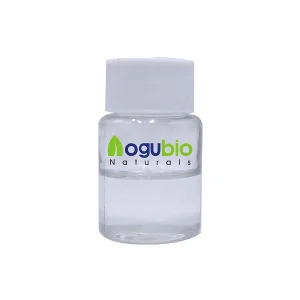
Phenonip is a robust broad-spectrum liquid preservative specifically designed to protect cosmetic formulations from bacteria, yeast, and mold. Famously known for its paraben-based system, it is highly effective in a wide variety of formulations, including emulsions and anhydrous products, due to the oil solubility of its components. Phenonip is ideal for formulations containing botanical or natural ingredients, like extracts or hydrosols, and ensures extended shelf life and safety without formaldehyde release.
As a leading preservative manufacturer, we provide this highly effective paraben-based preservative system that offers reliable protection. Our Phenonip is a premium cosmetic preservative blend specifically formulated to extend product shelf life while maintaining excellent safety profiles.
✔ Broad-spectrum antimicrobial protection
✔ Effective at low usage levels (0.5-1.0%)
✔ Stable across wide pH range (3-8)
✔ Compatible with most cosmetic ingredients
✔ Cost-effective preservation solution
Applications
It is commonly used in Lotions, Creams, Emulsified Scrubs, Oil-Based Scrubs, Shampoo Bars, Conditioner Bars, Lotion Bars, and Balm Bars.
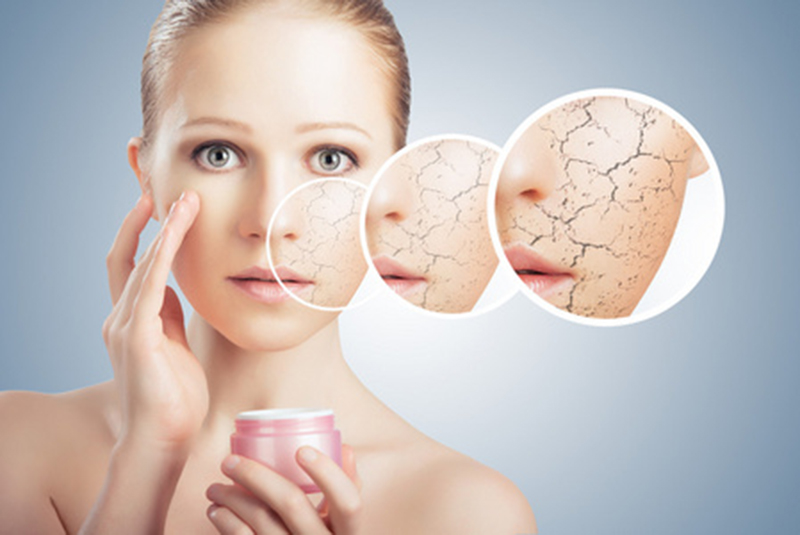
Lotions & Creams

Emulsified & Oil-Based Scrubs

Shampoo & Conditioner Bars
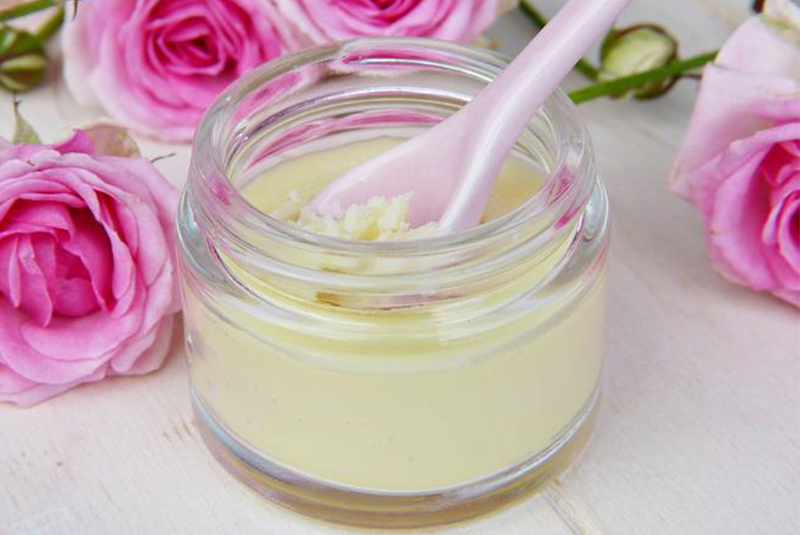
Lotion & Balm Bars
Frequently Asked Questions
1. What is the recommended usage concentration for Phenonip?
Phenonip should typically be incorporated into formulations at a concentration ranging from 0.5% to 1.0% for effective preservation.
2. Is Phenonip suitable for anhydrous (water-free) products?
Yes, Phenonip is oil-soluble, making it an excellent choice for anhydrous products like oil-based scrubs, lotion bars, and balms.
3. Can Phenonip withstand heat during the manufacturing process?
Yes, it is heat stable and can be added during the heated phase of production, as it dissolves effectively between 140°F and 160°F.
4. Does Phenonip release formaldehyde?
No, Phenonip is a paraben-based preservative system and is not a formaldehyde donor, providing a safer alternative for microbial control.
5. Are there any ingredients that might interfere with Phenonip’s effectiveness?
While it is compatible with most ingredients, its activity can be reduced or inactivated by certain non-ionic surfactants, such as polysorbate 80, at higher concentrations.
6. What is the effective pH range for this preservative?
Phenonip maintains its stability and effectiveness across a broad pH range, specifically between pH 3 and 8.
 Aogebio Cosmetic