High-Quality Zinc Oxide CI 77947 for Mineral Sunscreens Manufacturers, Exporter

Products Name  Zinc Oxide
CAS No  1314-13-2
INCI Name  Zinc Oxide
Specification  ≥99%
Molecular Weight  81.38 g/mol
Chemical Formula  ZnO
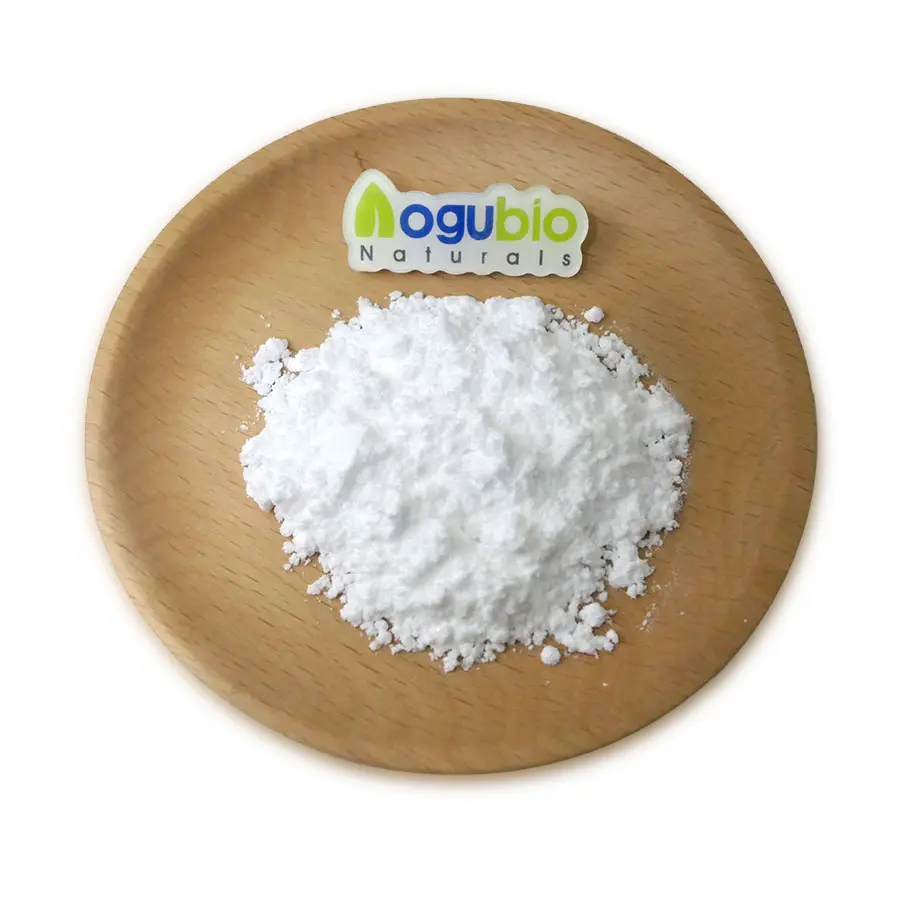
Appearance  Fine white powder
Solubility  Insoluble in water

Product Description

Product Description

CI 77947 is a white pigment widely used in the cosmetic industry as an opacifier to enhance the appeal of the products. In its raw form, it appears in the form of a powder that is white in color and has a high opacity. It is often found in products like foundations, loose powders, lip pencils, and compacts. CI 77947 is the INCI name of Zinc Oxide and has the chemical formula ZnO.

As a physical sunscreen agent, it mainly scatters and reflects ultraviolet (UV) rays. In nano-form, it can also absorb partial UV energy due to its small particle size, though non-nano particles are also used in cosmetics. It forms a physical barrier on the skin surface to reflect and scatter UVB and UVA rays, especially effective against short-wave UVB that causes sunburn.
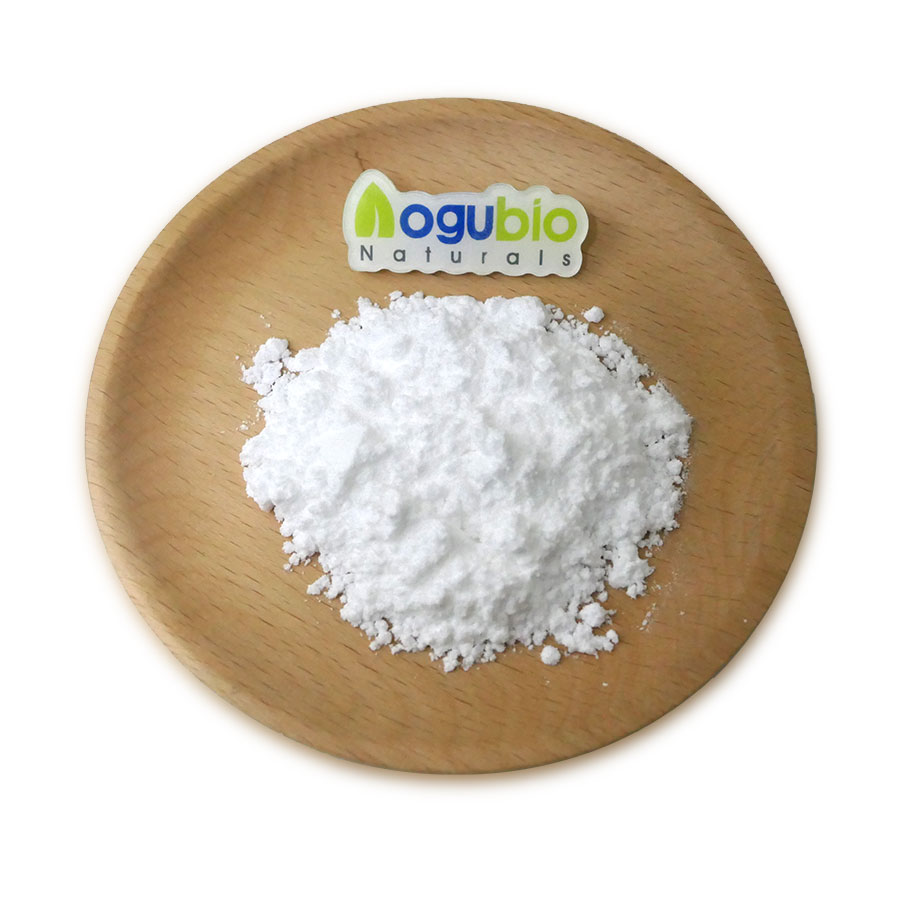
Zinc Oxide Powder

Why Choose Our Zinc Oxide (ZnO)

We deliver premium Zinc Oxide—the most trusted broad-spectrum mineral UV filter for high-performance physical sunscreens. Our pharmaceutical-grade ZnO provides complete UVA/UVB protection (290-400nm) while offering superior skin compatibility.
Full-Spectrum Defense – Blocks 98% of UVA/UVB rays (more effective than TiO₂ at UVA-II)
Gentle & Non-Irritating – Perfect for acne-prone and reactive skin
Multiple Particle Options – Choose from micronized (1μm) to nano (30-100nm) for desired texture

Benefits

Icon

Broad-spectrum UV protection

Blocks both UVA and UVB rays, reducing the risk of sunburn, skin aging, and pigmentation.

Icon

Skin-soothing & anti-inflammatory

Has astringent and antibacterial properties, helping to calm irritated skin.
Icon

High safety & stability

Non-toxic, non-irritating, and hypoallergenic, suitable for sensitive and baby skin.

Icon

Multiple skin-care functions

Absorbs excess sebum, ideal for oily skin. Offers a slight whitening effect for tone adjustment.

Use & Concentration

! In sunscreens, the typical concentration is 5–25% (non-nano) or 1–5% (nano), depending on the desired SPF.

! In skincare, lower concentrations (1–3%) are used for soothing and oil control.

Applications

Commonly used in mineral sunscreens, stick sunscreens, and color cosmetics.

Sunscreen Application

Sunscreen products

Formulations for sensitive skin, babies, or sports due to its water resistance and gentle nature.

Color Cosmetics

Color cosmetics

Foundations, BB creams, and powders for whitening effect, UV protection, and oil absorption.

Skincare

Specialized skincare

Anti-aging creams and oil-control serums designed for reactive or oily skin types.

Lip Care

Lip & hair care

Lip balms for sun protection and repair; hair sunscreens to shield strands from UV damage.

Storage Icon
Storage: Store in a closed container at a dry place at room temperature.
Animal Testing
Animal Testing: Not animal tested.
Vegan
Vegan: Does not contain animal-derived components.
GMO
GMO: No data available.

Frequently Asked Questions

Q: What is the primary function of CI 77947 in cosmetics?
A: It serves as a white pigment and opacifier, primarily used in foundations and powders to enhance coverage and appearance.
Q: How does Zinc Oxide provide sun protection?
A: It acts as a physical mineral barrier that sits on top of the skin to reflect and scatter both UVA and UVB rays.
Q: Is Zinc Oxide safe for baby products?
A: Yes, it is highly safe, non-toxic, and hypoallergenic, making it a standard ingredient for baby care and sensitive skin formulations.
Q: Can Zinc Oxide help with oily skin?
A: Yes, it has the ability to absorb excess sebum, which helps in reducing shine and managing oily skin in base makeup.
Q: What is the difference between nano and non-nano forms?
A: Non-nano particles offer broader scattering for UVA and are more opaque, while nano-forms offer better transparency and a thinner application film.
Q: How should Zinc Oxide raw material be stored?
A: It should be kept in a tightly closed container in a dry, room-temperature environment to maintain its stability.

Related Products