Custom Preservative Methylparaben Cas 99-76-3 Manufacturers, Companies

Products Name Methylparaben
CAS No 99-76-3
INCI Name Methylparaben
Molecular Weight 152.15 g/mol
Chemical  Formula C8H8O3
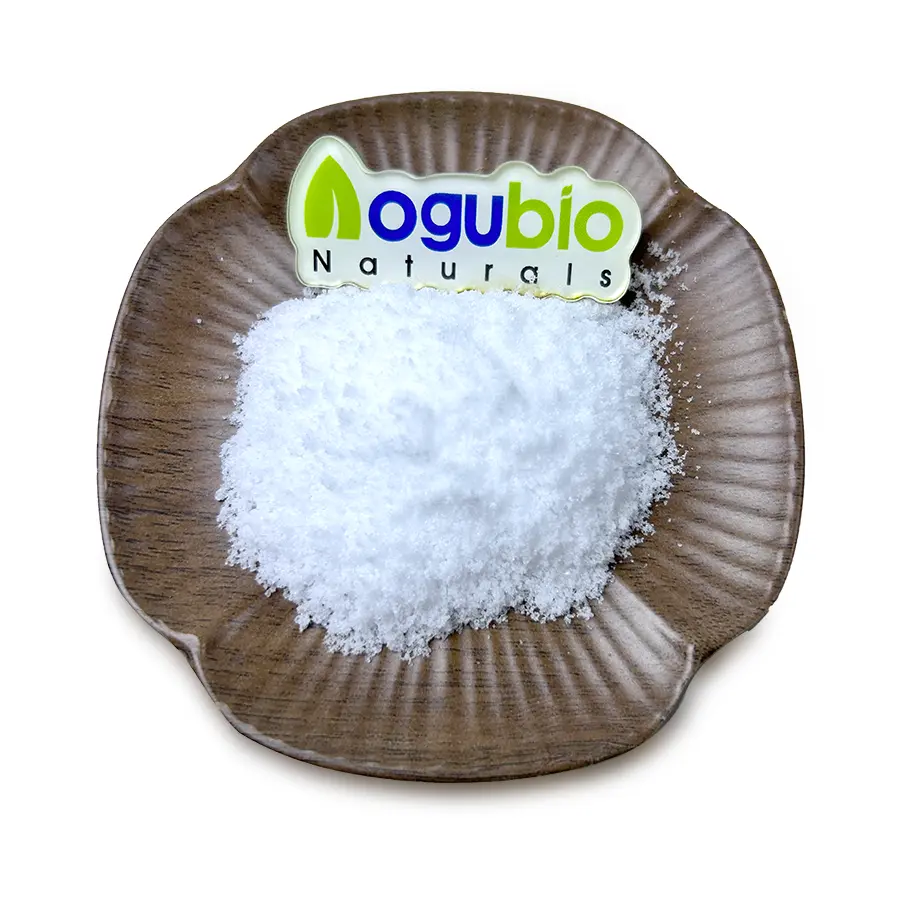
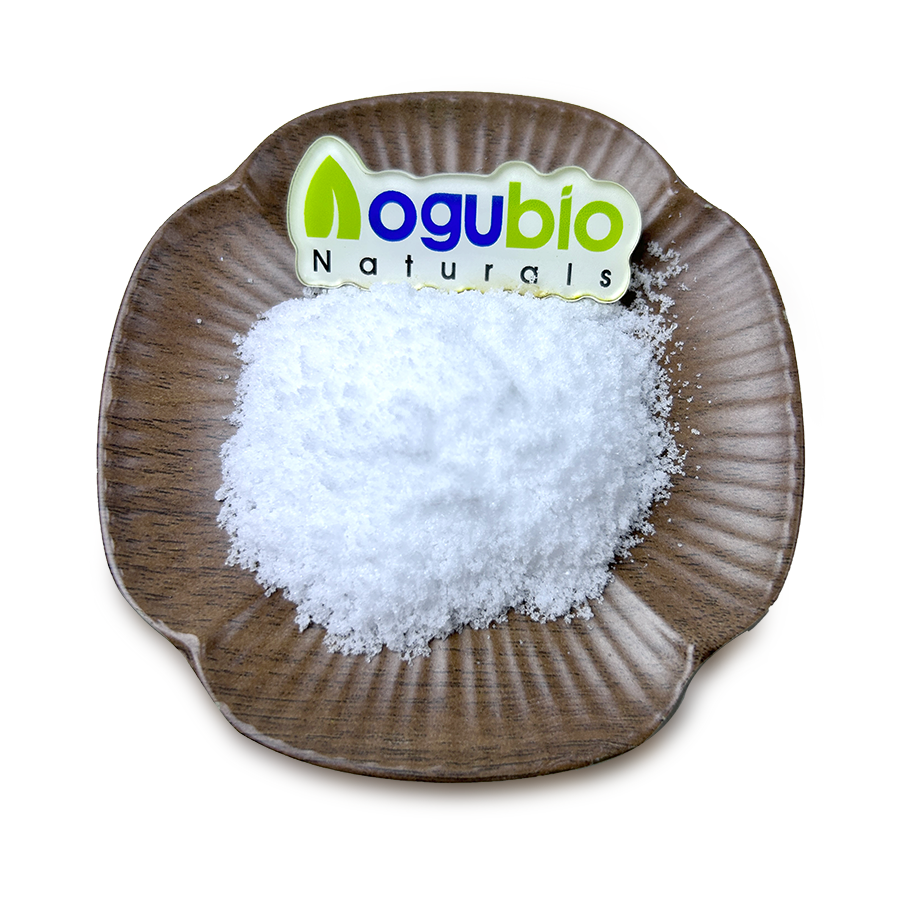
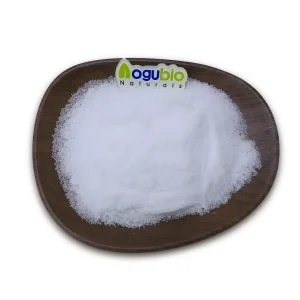
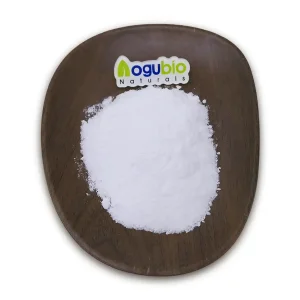
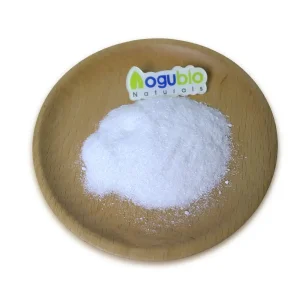
Appearance White powder
Solubility Slightly soluble in water.

Product Description

Product Description

Product Description
Methylparaben is a widely used preservative in the cosmetic and personal care industry. It is a member of the paraben family, which includes other compounds like ethylparaben, propylparaben, and butylparaben. Methylparaben is a white crystalline powder that is soluble in alcohol and propylene glycol, and it is effective in preventing the growth of bacteria, yeast, and mold in various formulations.

Ensure product safety and longevity with Methylparaben, a highly effective and widely used preservative in cosmetic and personal care products. As one of the most studied and reliable preservatives, it provides excellent antimicrobial protection against bacteria and fungi, helping to extend shelf life while maintaining formulation stability.
Proven Efficacy – Effective at low concentrations (typically 0.1-0.4%)
Broad-Spectrum Protection – Inhibits microbial growth in various formulations
Cost-Effective Solution – Affordable preservation for mass-market products
Excellent Solubility – Easily incorporated into water-based and oil-based systems
Global Compliance – Meets international cosmetic regulations (FDA, EU, ASEAN)

Key Benefits

Broad-Spectrum

Broad-Spectrum Antimicrobial Activity

Effective against a wide range of microorganisms, helping to maintain product safety and extend shelf life.
Low Concentration

Low Concentration Required

Typically effective at low concentrations (usually around 0.1% to 0.8%), which helps preserve the integrity of the formulation.
Stability

Stability

It is stable across a wide range of pH levels and temperatures, ensuring consistent performance in various formulations.
Cost-Effective

Cost-Effective

Methylparaben is relatively inexpensive compared to many alternative preservatives, making it a popular choice for manufacturers.

Recommended Use

Usage
Methylparaben is primarily used as a preservative in cosmetic and personal care products. It is typically added at concentrations ranging from 0.1% to 0.8% to ensure both safety and efficacy, helping to prevent microbial contamination and extend the shelf life of products.

Main Applications

It is commonly used in creams, lotions, serums, foundations, lipsticks, shampoos, conditioners, body washes, scrubs, and deodorants.
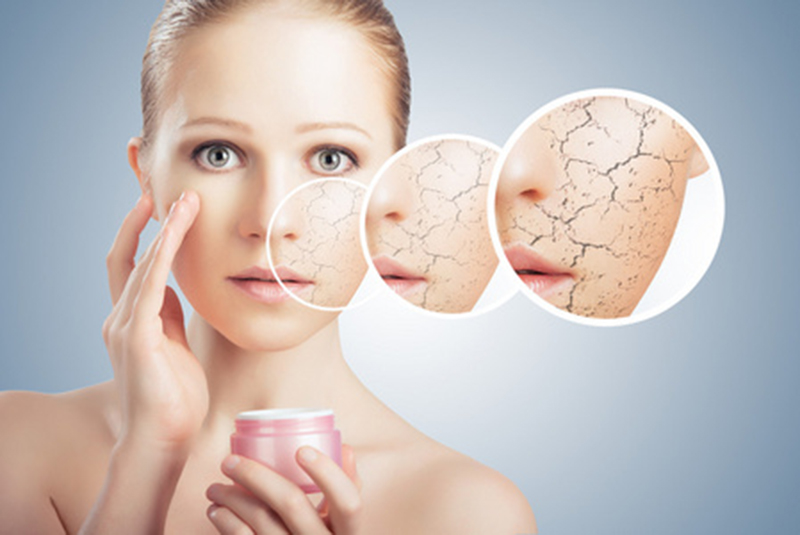
Skincare

Skincare Products

Commonly found in creams, lotions, and serums to inhibit microbial growth and maintain product integrity.
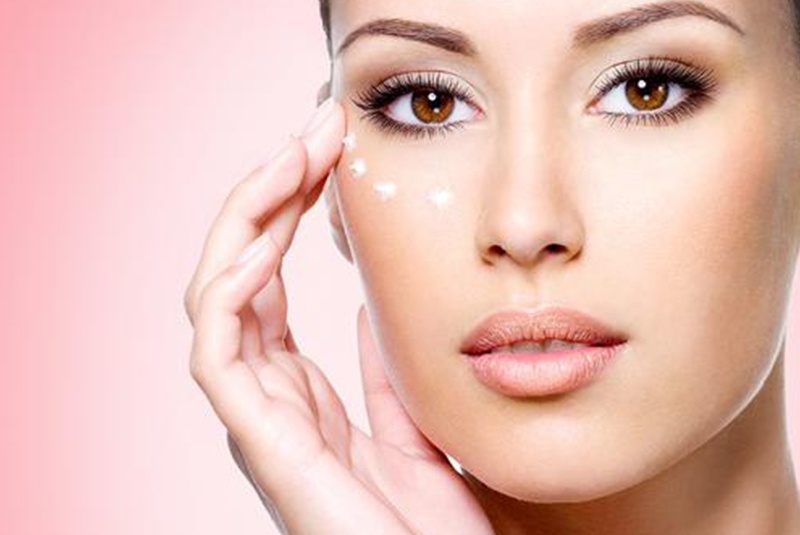
Makeup

Makeup Products

Used in foundations, lipsticks, and other color cosmetics to prevent contamination and ensure product safety.
Hair Care

Hair Care Products

Incorporated into shampoos, conditioners, and styling products to protect against microbial spoilage.
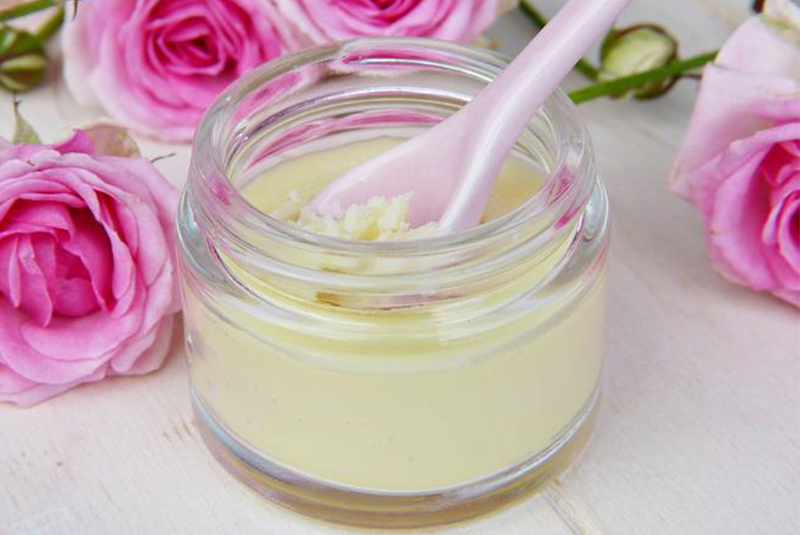
Body Care

Body Care Products

Utilized in body washes, scrubs, and deodorants to ensure product stability and safety.

Storage

Storage

Store in a closed container at a dry place at room temperature.

Animal Testing

Animal Testing

Not animal tested

Vegan

Vegan

Does not contain animal-derived components

GMO

GMO

No data available

Frequently Asked Questions

What is the primary function of Methylparaben in cosmetics?
Methylparaben acts as a broad-spectrum preservative that inhibits the growth of bacteria, yeast, and mold, thereby extending the shelf life and ensuring the safety of personal care products.
Is Methylparaben safe for use in skin care?
Yes, it is one of the most widely studied preservatives and is approved for use by global regulatory bodies like the FDA and EU at recommended concentrations (typically 0.1% to 0.8%).
Is this product considered vegan-friendly?
Yes, our Methylparaben does not contain any animal-derived components and is suitable for vegan formulations.
What is the solubility profile of Methylparaben?
Methylparaben is easily soluble in alcohol and propylene glycol, making it simple to incorporate into various cosmetic systems.
How should the product be stored to maintain its quality?
It should be stored in a tightly closed container in a dry, cool place at room temperature to prevent degradation and maintain its crystalline form.
Can it be used in leave-on products like lotions?
Absolutely. It is stable across various pH levels and temperatures, making it ideal for both leave-on products (lotions, serums) and rinse-off products (shampoos, body washes).

Related Products