 Aogebio Cosmetic
1 / 1
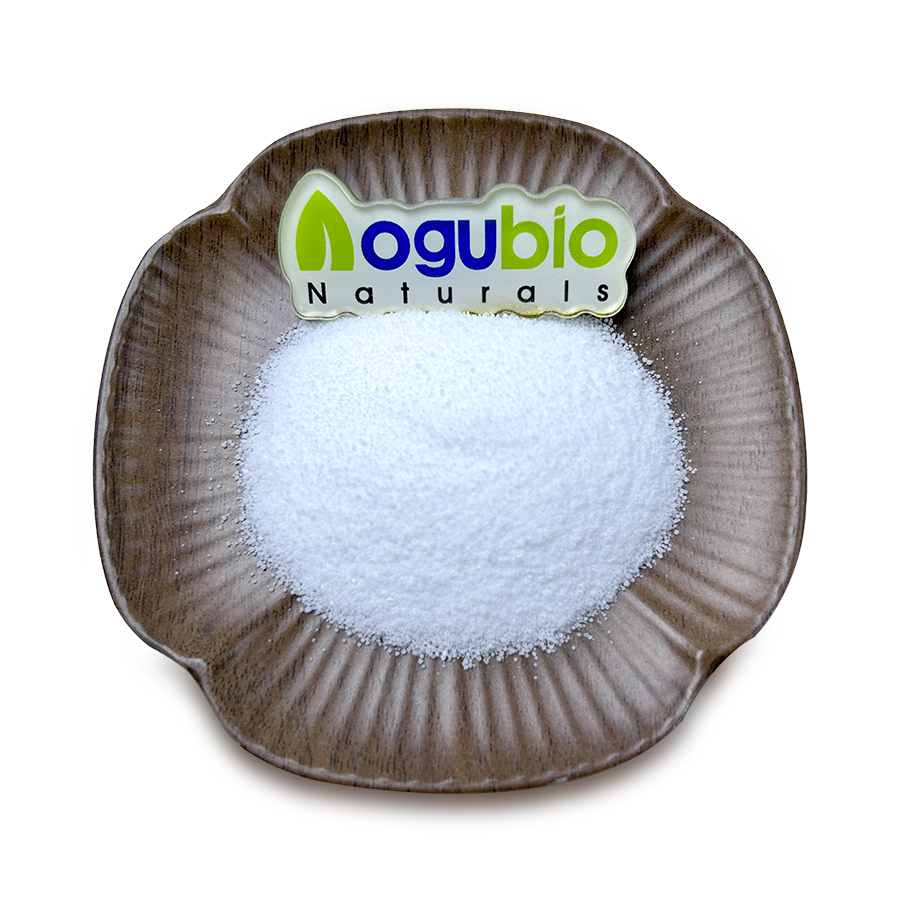
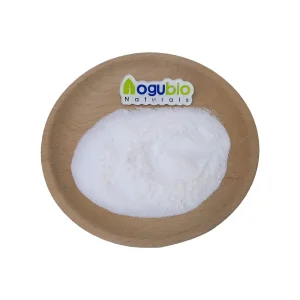
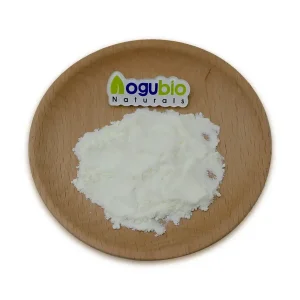
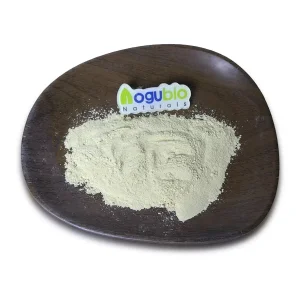
It appears as a white - to - light - salmon - colored granular powder with a faint characteristic odor. It is soluble in oils and ethanol, being an oil - soluble organic compound.
It is a chemical sunscreen agent that forms an invisible protective shield in the upper layer of the epidermis. It strongly absorbs UVA rays in the wavelength range of 320 - 400 nm, with a maximum absorption at 354 nm, converting the absorbed UV energy into heat or radiation of a longer, harmless wavelength.
Offers reliable protection against UVA rays which cause premature aging and skin damage by absorbing rays before they penetrate deeply.
Excellent stability ensures it does not easily degrade when exposed to sunlight, maintaining long-lasting sun protection effectiveness.
Combines seamlessly with other UV filters and cosmetic ingredients, enhancing the overall performance and photostability of formulations.
Has a significant anti-inflammatory effect that helps soothe skin and reduce irritation caused by UV exposure.
The maximum allowable concentration in cosmetics is 10% in China, the European Union, and other regions. The specific dosage in products is adjusted according to the formula design and the desired protection level.
As an oil - soluble ingredient, it is usually added to the oil phase of cosmetics. It is dissolved by heating and stirring and then evenly mixed with other ingredients according to the normal production process.
It is commonly used in sunscreens, sun lotions, and sun sprays.
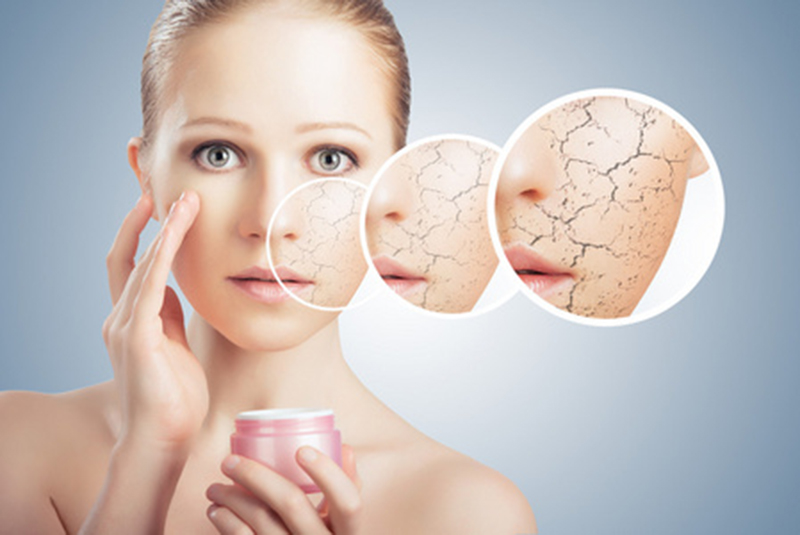
Widely used in lotions and sprays to achieve high PA values and effective UVA shielding.
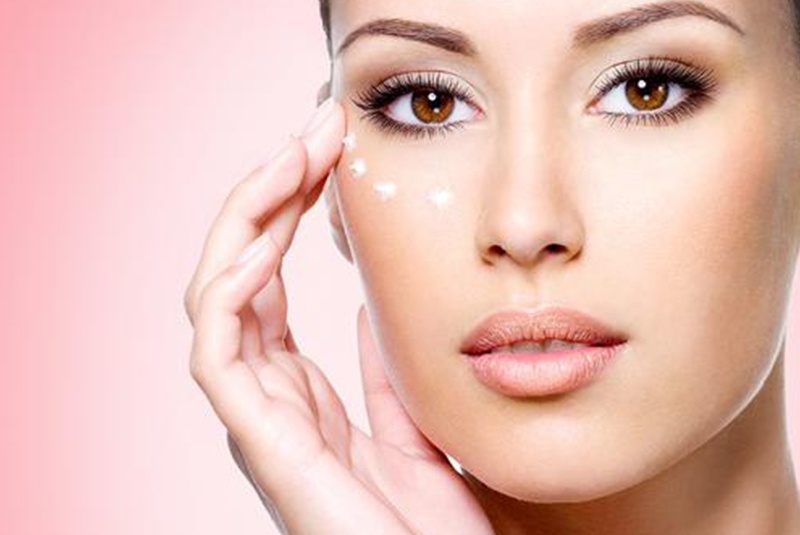
Added to BB creams, CC creams, and makeup primers to offer UV protection while adjusting skin tone.

Found in anti-aging creams, lip balms, and hair care products to provide basic UV protection.

Store in a closed container at a dry place at room temperature.

Not animal tested.

Does not contain animal-derived components.

No GMO data available.
It is an oil-soluble chemical sunscreen agent that specifically targets and absorbs UVA radiation, primarily used to prevent photoaging and long-term skin damage.
Unlike some traditional filters like Avobenzone, it is highly photostable, meaning it doesn't break down quickly when exposed to sunlight and doesn't require additional stabilizers in the formula.
In most regions, including the EU and China, the maximum allowable concentration for this ingredient in cosmetic formulations is 10%.
Yes, due to its non-greasy texture and excellent compatibility with other ingredients, it is an ideal choice for facial sunscreens, BB creams, and daily makeup primers.
Based on the product specifications, it is not tested on animals and does not contain any animal-derived components, making it suitable for vegan formulations.
As it is oil-soluble, it should be added to the oil phase of the production process, typically by heating and stirring until completely dissolved before emulsification.