 Aogebio Cosmetic
1 / 1
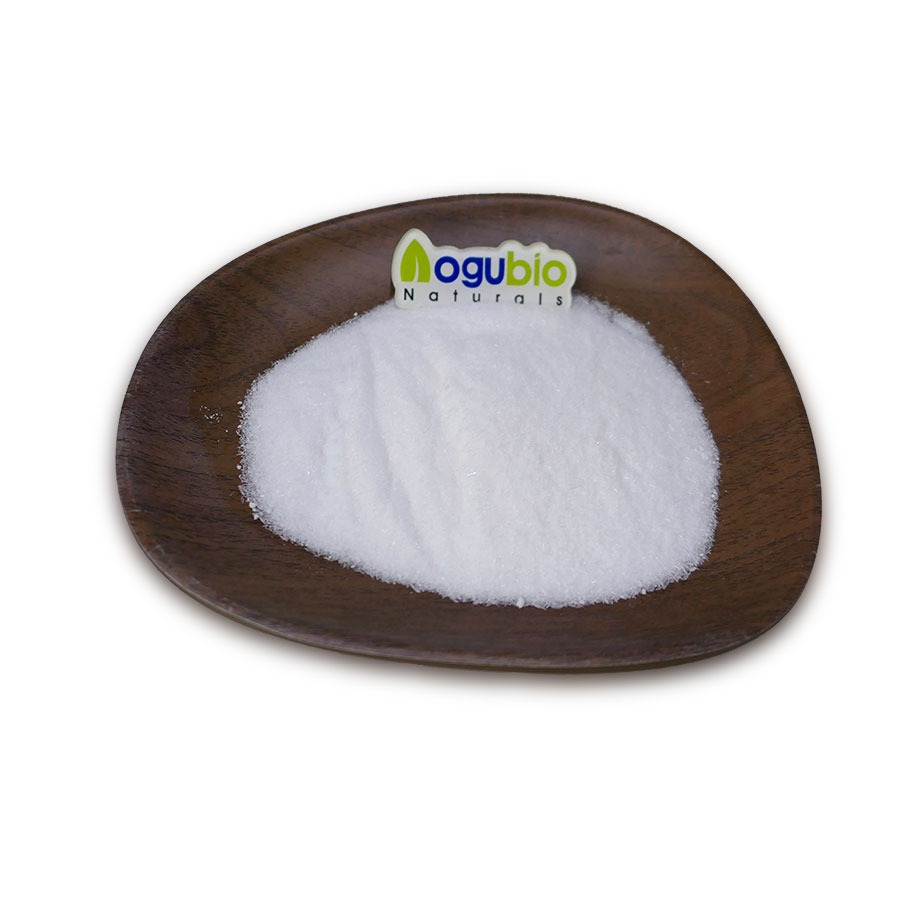
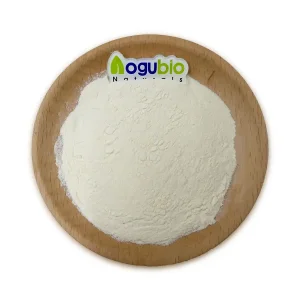
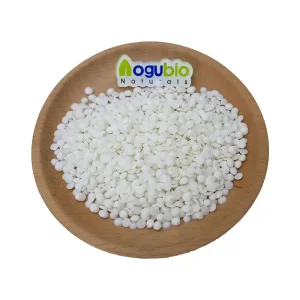
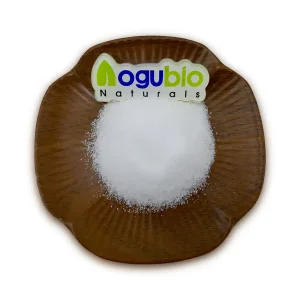
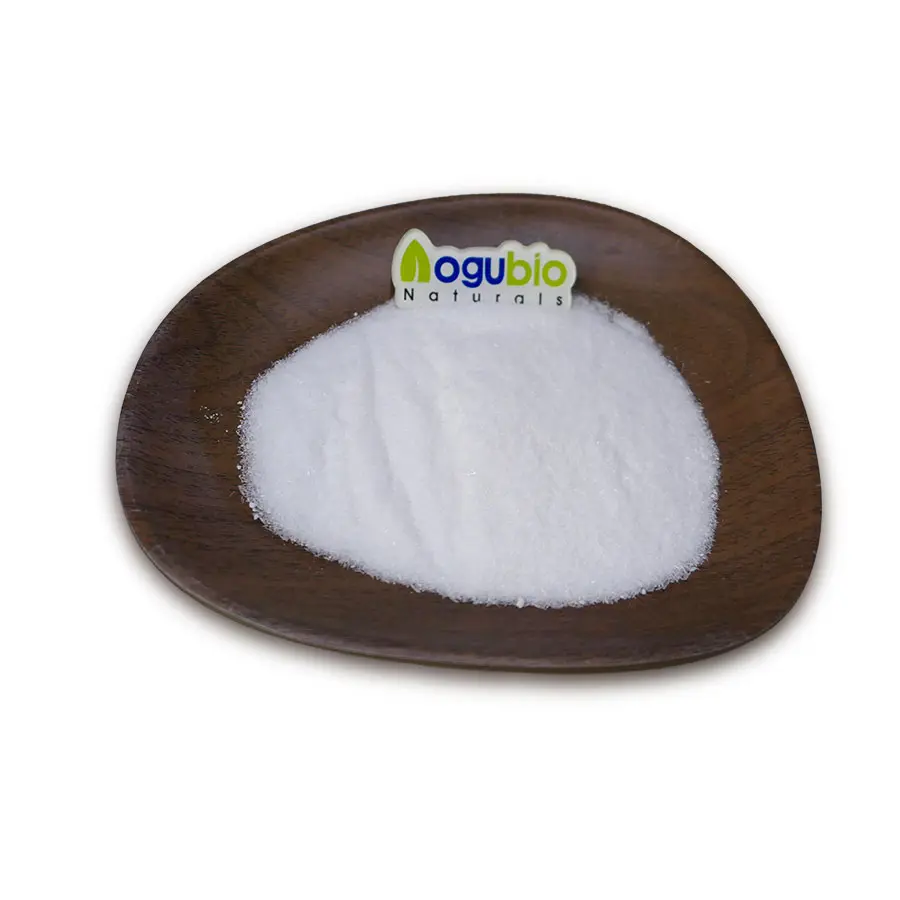
Sodium EDTA (CAS 139-33-3) is the disodium salt of ethylenediaminetetraacetic acid (EDTA), a water-soluble chelating agent. Chemically, it has multiple sites that can bind to metal ions, forming stable complexes. In cosmetics, its primary role is not to directly improve skin condition but to indirectly enhance product performance by regulating the stability of the formulation system.
Many metal ions may be present in cosmetic raw materials or production water. Sodium EDTA chelates these metal ions, reducing their interference with preservatives, thereby enhancing the efficiency of the preservative system and extending the product’s shelf life.
Metal ions may catalyze oxidation, hydrolysis, or other reactions leading to discoloration, off-odors, or separation. Sodium EDTA inhibits such chemical reactions, maintaining the stability of the product’s texture, color, and scent.
In cleansers and body washes, it chelates calcium and magnesium ions in hard water, reducing "soap scum". This allows surfactants to function more effectively, improving foam fineness and cleansing efficiency.
Some free metal ions may irritate the skin or exacerbate sensitivity. The chelating action of Sodium EDTA on these ions can indirectly lower the product’s potential for irritation.
Typically added at 0.01% - 0.5% in cosmetic formulations. The specific concentration is adjusted based on the content of metal ions in raw materials, product type, and preservative system requirements.
It is commonly used in facial creams, serums, lotions, and masks.
Facial cleansers, body washes, shampoos (chelates hard water ions to optimize cleansing and foaming).
Toners, lotions, creams, serums (protects active ingredients from oxidative degradation).

Sunscreens, sunscreen sprays (maintains the stability of UV filters, preventing discoloration or inactivation).

Conditioners, hair masks (reduces metal ion damage to hair, improving smoothness).

Store in a closed container at a dry place at room temperature.

Not animal tested

Does not contain animal-derived components

No data available
A1: It acts as a chelating agent and stabilizer. It binds to metal ions that could otherwise cause product oxidation, discoloration, or degradation, thereby maintaining the product's integrity.
A2: Metal ions can sometimes provide nutrients for microbes or interfere with preservative molecules. By sequestering these ions, Sodium EDTA makes the preservative system more efficient and effective.
A3: Yes, in conditioners and hair masks, it helps reduce the damage caused by metal ions found in tap water, resulting in smoother and healthier-looking hair.
A4: Absolutely. It is particularly effective in cleansers used with hard water because it prevents the formation of "soap scum," allowing surfactants to foam and clean better.
A5: Yes, this Sodium EDTA does not contain any animal-derived components and is suitable for vegan formulations.
A6: For most cosmetic formulations, including serums, a concentration between 0.01% and 0.5% is standard, depending on the specific stability needs of the formula.