 Aogebio Cosmetic
1 / 1
It can absorb and scatter ultraviolet rays in the UVA and UVB bands, acting as a physical sunscreen agent. It forms a protective film on the skin surface, reflecting and scattering ultraviolet rays to prevent them from penetrating the skin and causing damage.
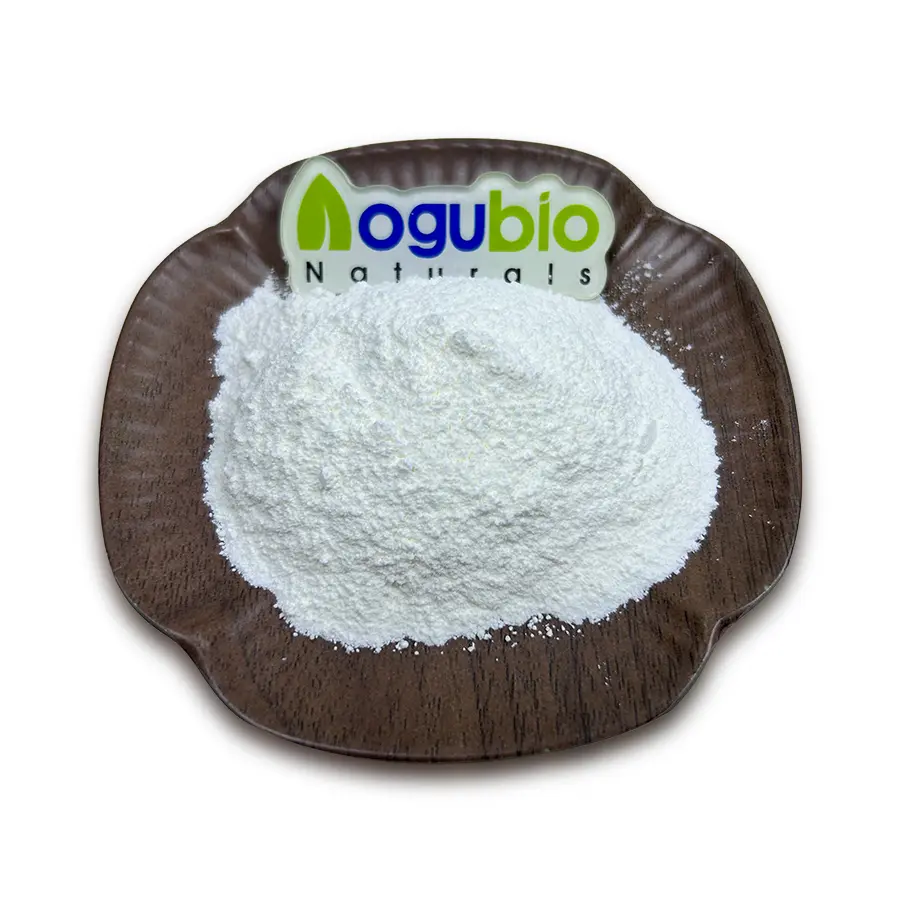
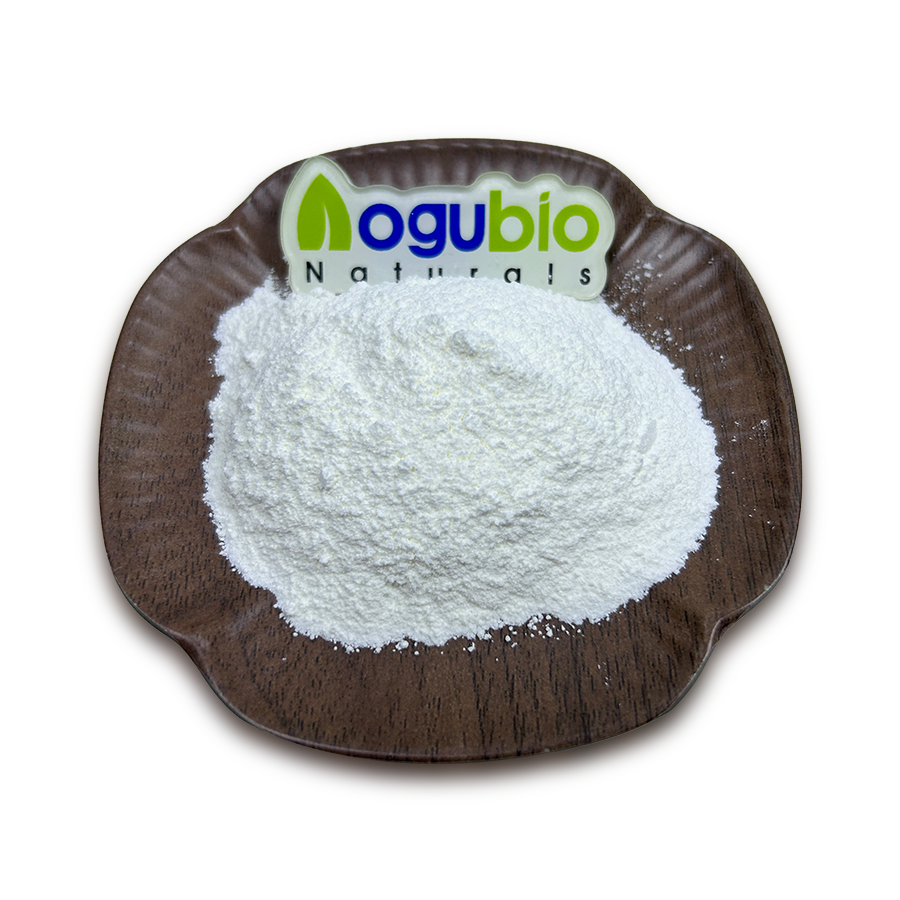
Nano Titanium Dioxide (TiO₂) is the gold-standard mineral UV filter for high-performance physical sunscreens. Advanced 10-50nm nanoparticles provide broad-spectrum UVA/UVB protection (280-400nm) while offering superior transparency and spreadability compared to conventional TiO₂.
Offers broad-spectrum protection against UVA and UVB rays, effectively preventing sunburn, premature skin aging, and reducing the risk of skin cancer caused by UV radiation.
Non-toxic, non-allergenic, and non-irritating, making it suitable for use in various cosmetic products, including those for sensitive skin.
Excellent chemical stability and photostability; does not easily degrade or lose efficacy when exposed to sunlight or environmental factors. Maintains stable performance in formulations.
Enhances the texture of cosmetics, making them feel smooth and delicate. Helps increase product opacity, providing good coverage and hiding skin imperfections.
Recommended Dosage: The dosage in cosmetics usually varies from 1% to 3%. However, the specific amount depends on the product type, the desired sun protection factor (SPF), and the formulation design.
Incorporation: In cosmetic production, nano-titanium dioxide is generally added to the water phase or oil phase according to its surface-treated properties. It needs to be evenly dispersed by mechanical stirring or ultrasonic treatment to ensure good compatibility and stability.
Commonly used in sunscreens, sun lotions, and sun sprays.
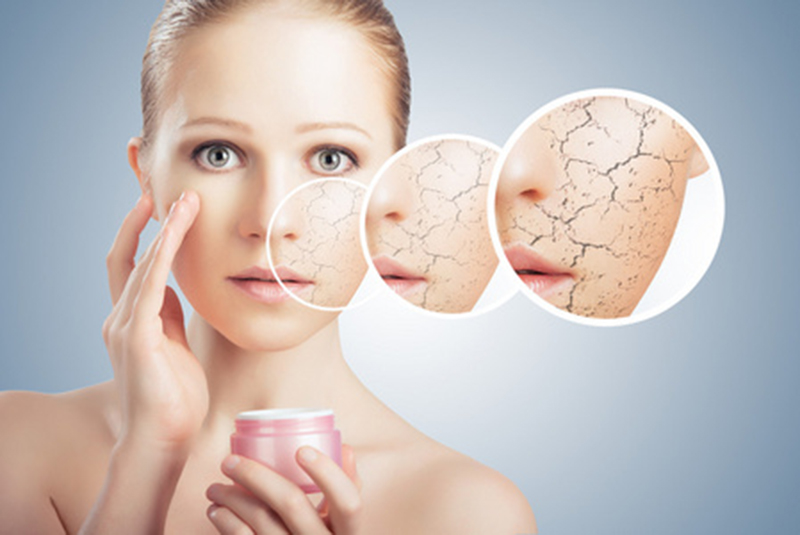
Widely used in sunscreens, lotions, and sprays to provide effective protection and help achieve high SPF and PA values.

Foundations, BB creams, and CC creams. Improves covering power and color-correction while offering UV protection.

Lip balms, eye shadows, and skin-care products to provide UV protection and improve product performance.
 Storage: Dry place at room temp
 Not Animal Tested
 Vegan Friendly
 GMO Free Data
The advanced nanoparticles typically range between 10-50nm, ensuring high transparency and excellent UV scattering properties.
Unlike conventional Titanium Dioxide, the nano-sized particles provide much higher transparency, significantly reducing the "white cast" effect while maintaining superior protection.
Yes, it is photostable, non-toxic, and non-irritating, making it an ideal choice for sensitive skin and baby sunscreen formulations.
General usage levels range from 1% to 3%, depending on the target SPF/PA rating and the presence of other UV filters like Zinc Oxide.
We offer customizable coatings (such as silicone or alumina) to ensure easy dispersion in either oil or water phases, depending on your specific formulation needs.
It should be stored in a closed container in a dry place at room temperature to maintain its stability and efficacy.