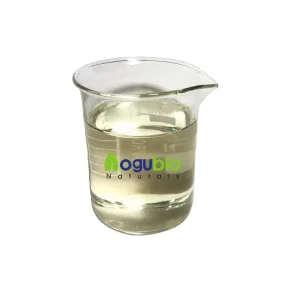
Product Description
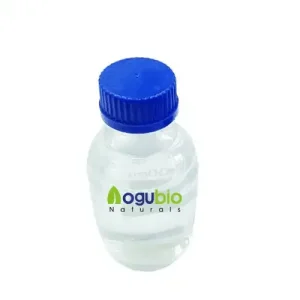
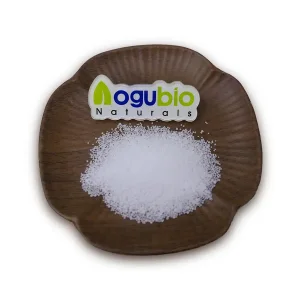
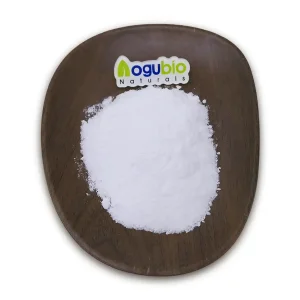
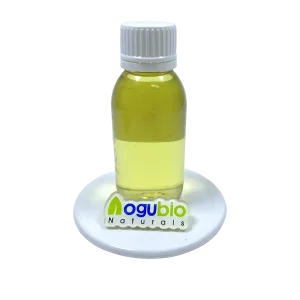
MGDA-Na3 is the abbreviation of trisodium methylglycine diacetate, also known as trisodium dicarboxymethylalanine. It is a new type of non-phosphorus green degradable chelating agent that can replace traditional phosphonates, EDTA, and NTA. The product is suitable for a wide pH range, with excellent chelating performance, high biodegradability, no ecological toxicity, and is gentle on skin and eyes.
As a premier manufacturer, we deliver a high-performance, skin-friendly chelating agent that revolutionizes cosmetic formulations. Our Trisodium Dicarboxylmethyl Alaninate is a mild yet effective alternative to traditional chelators, specifically designed for sensitive skin care products and gentle cleansers.
Key Benefits:
✔
Superior Metal Ion Binding – Effectively chelates heavy metals and minerals in water, preventing product degradation and skin irritation.
✔
Enhanced Stability – Protects formulations from discoloration and oxidation, extending shelf life and maintaining efficacy.
✔
Gentle on Skin – Non-irritating and low toxicity, making it ideal for baby care, sensitive skin, and hypoallergenic products.
✔
Biodegradable & Eco-Friendly – A sustainable choice for brands committed to green chemistry and environmentally conscious formulations.
✔
Versatile Compatibility – Works seamlessly in cleansers, shampoos, toners, serums, and moisturizers, improving texture and performance.
Suggested Usage
Trisodium Dicarboxylmethyl Alaninate is typically added to various skin care and cosmetic formulations at low concentrations (e.g., 0.5% to 2%). It can be combined with other ingredients to enhance the overall effect of the product.
Frequently Asked Questions
1. What is the main function of MGDA-Na3 in skincare?
MGDA-Na3 acts as a powerful green chelating agent that stabilizes formulations by binding metal ions, while also providing moisturizing benefits and improving skin texture.
2. Is Trisodium Dicarboxylmethyl Alaninate environmentally friendly?
Yes, it is a readily biodegradable, non-phosphorus chelating agent, making it a sustainable alternative to traditional EDTA or NTA.
3. Can it be used in products for sensitive skin?
Absolutely. It is known for its mildness and low toxicity, making it ideal for hypoallergenic and baby care products.
4. What is the typical dosage for cosmetic products?
The recommended concentration is usually between 0.5% and 2.0%, depending on the specific requirements of the formulation.
5. Is this ingredient compatible with other active ingredients?
Yes, it has high compatibility with a wide range of cosmetic ingredients and remains stable across a broad pH range.
6. Does MGDA-Na3 contribute to product shelf-life?
Yes, by chelating metal ions that can catalyze oxidation, it helps prevent discoloration and maintains the stability and efficacy of the product over time.
 Aogebio Cosmetic