 Aogebio Cosmetic
1 / 1
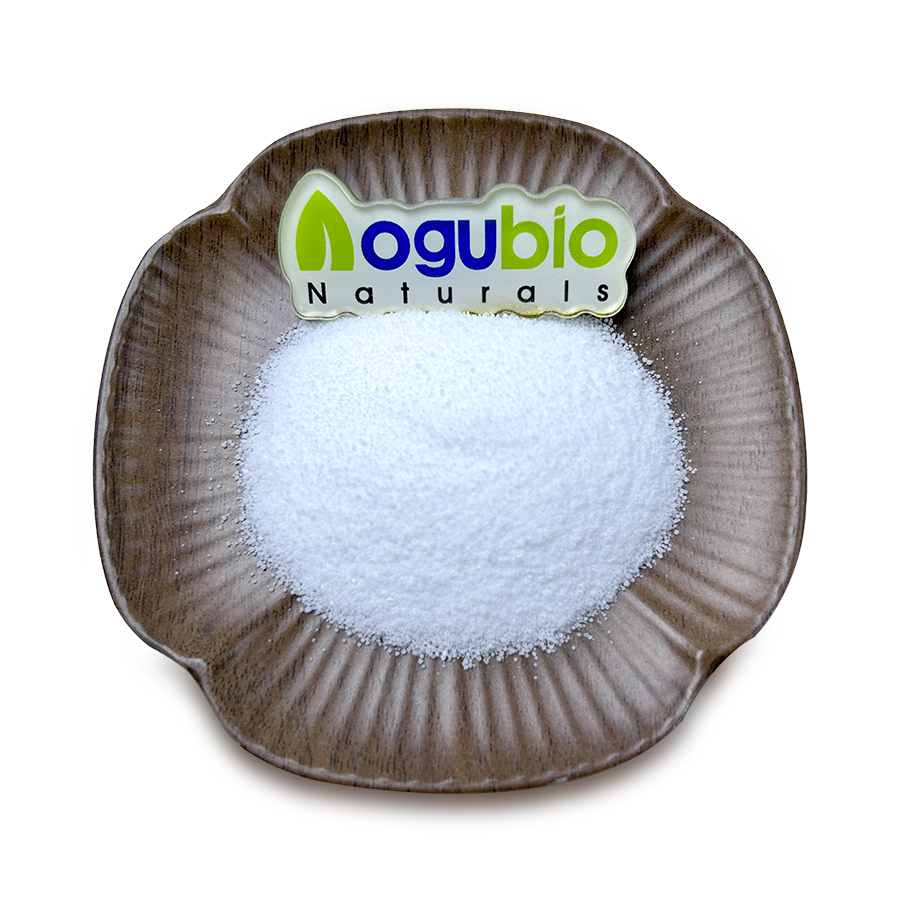
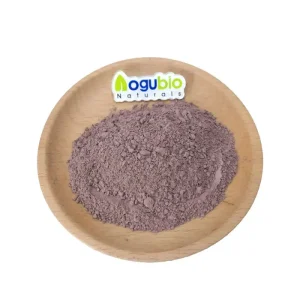
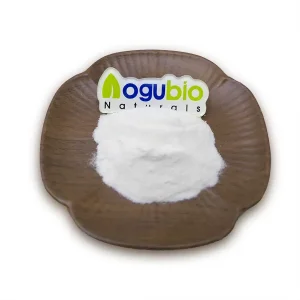
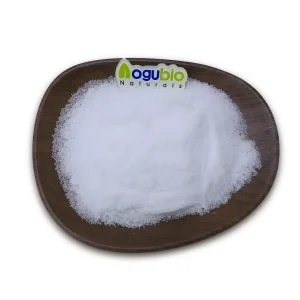
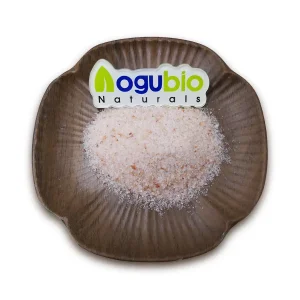
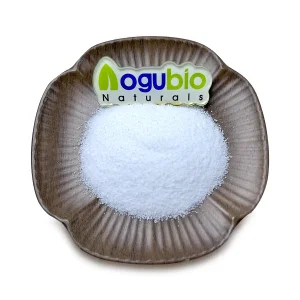
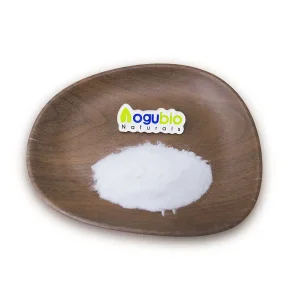
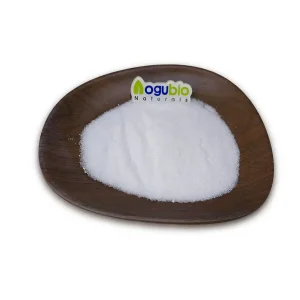
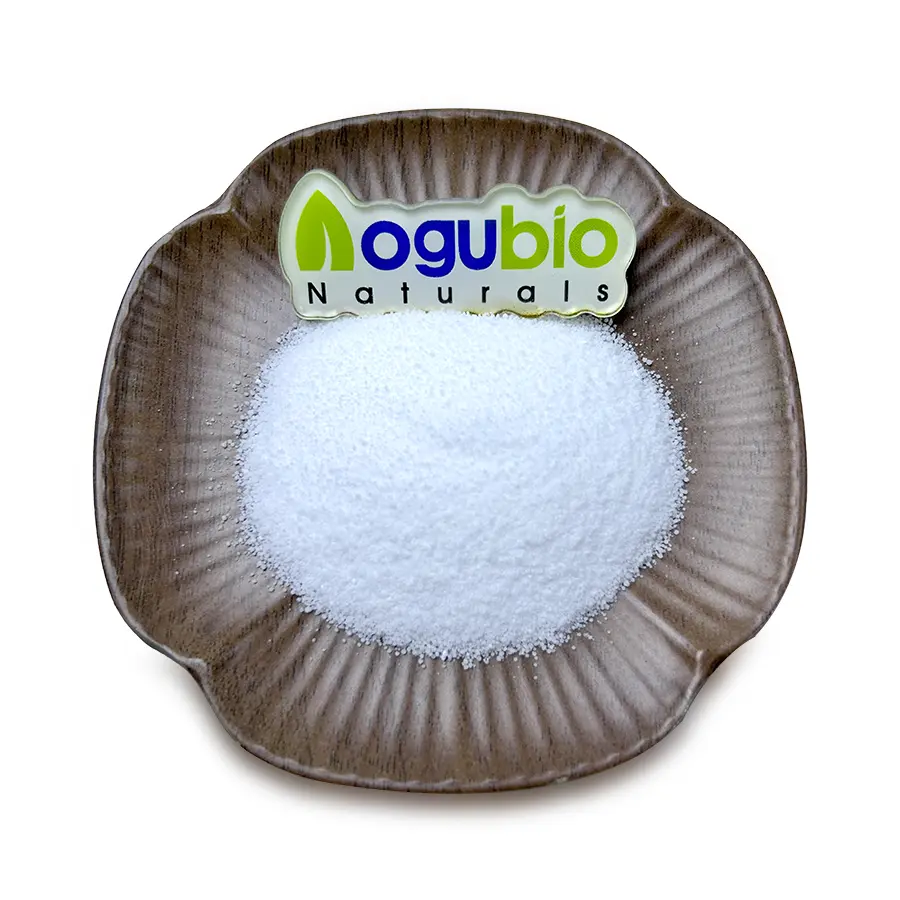
Potassium Bitartrate, also known as cream of tartar, is a naturally occurring byproduct of winemaking. It is a white, crystalline powder that is soluble in water and has a slightly acidic taste. In the cosmetics industry, it is valued for its stabilizing and exfoliating properties.
Discover the transformative power of Potassium Bitartrate in premium skincare formulations. This naturally-derived ingredient is scientifically proven to gently exfoliate, regulate pH levels, and promote a smoother, more balanced complexion.
Potassium Bitartrate can help in the gentle exfoliation of the skin, promoting a smoother and more radiant complexion.
It acts as a pH stabilizer, helping to maintain the acidity of cosmetic formulations, which is crucial for product stability and skin compatibility.
It may possess antioxidant properties, helping to protect the skin from oxidative stress and environmental damage.
It can contribute to the hydration of the skin, making it feel softer and more supple.
Being a natural ingredient, it appeals to consumers looking for clean and green beauty products.
It is commonly used in exfoliating scrubs, facial masks, creams and lotions, hair care products, and bath products.
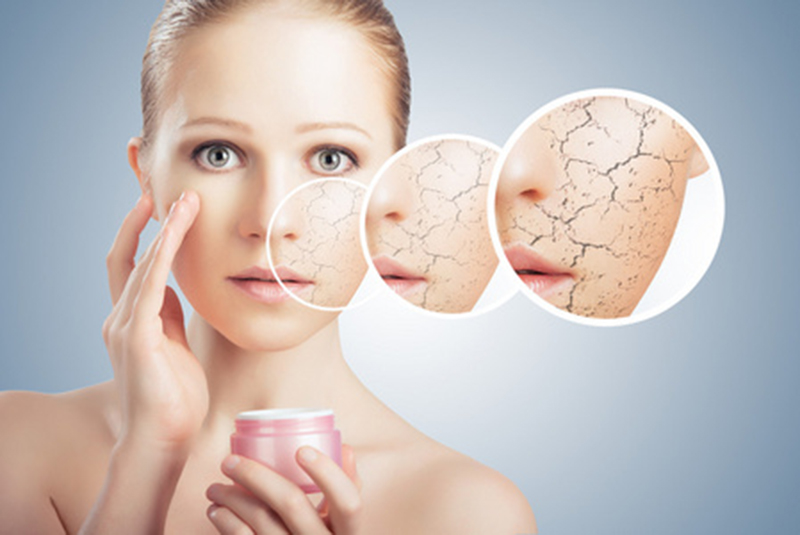
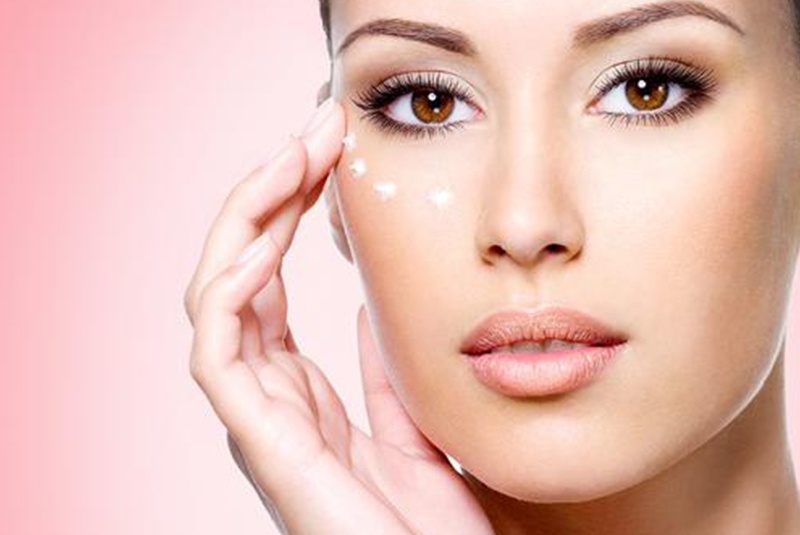
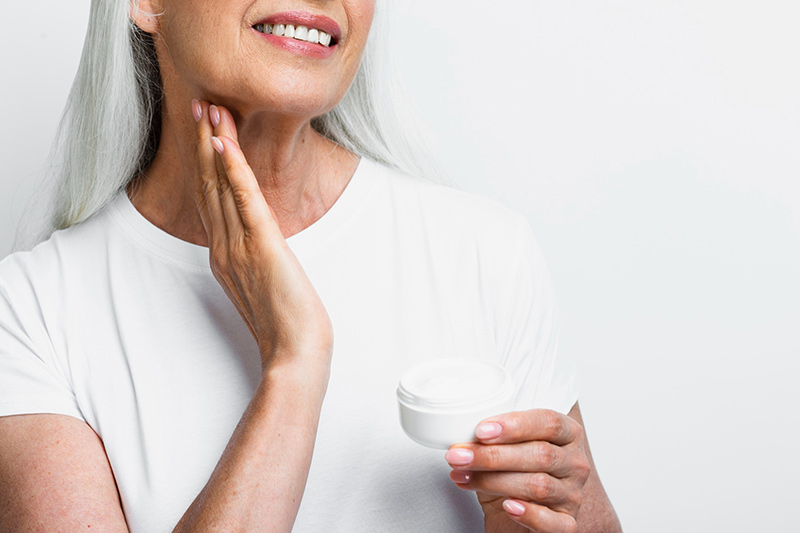
Used in exfoliating masks and scrubs to remove dead skin cells and promote cell turnover.
Incorporated into body lotions and creams for its moisturizing and skin-softening properties.
Added to shampoos and conditioners to enhance texture and manageability.
Utilized in formulations to improve texture and stability, particularly in powders and foundations.
Found in bath salts and soaks for its soothing and skin-conditioning effects.
 Storage: Closed container, dry place, room temperature
 Not animal tested
 Vegan / No animal-derived components
 Non-GMO (No data available)
A1: In skincare, it is primarily used as a gentle exfoliant to remove dead skin cells and as a pH stabilizer to ensure the formula remains effective and safe for the skin.
A2: Yes, it is generally considered a gentle exfoliant compared to some harsher chemical peels, making it suitable for various skin types when used at the recommended concentrations.
A3: It is a natural ingredient, specifically a byproduct of the winemaking process (grape fermentation), which aligns with natural and "clean beauty" standards.
A4: Yes, it is commonly used in DIY bath bombs (when combined with baking soda) and scrubs, though professional formulations provide more stable results.
A5: Yes, in hair care products, it helps to enhance the texture and manageability of the hair while stabilizing the pH of shampoos and conditioners.
A6: For most cosmetic applications, a concentration between 0.5% and 5% is recommended to achieve the desired stabilizing or exfoliating effect.