Custom How Does Acetyl Tripeptide-30 Citrulline Enhance Hair Keratin? Manufacturers, Supplier

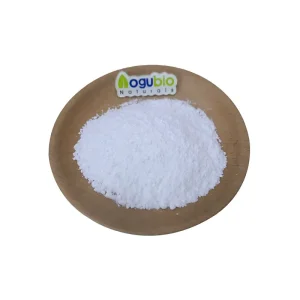
Products Name  Acetyl tripeptide-30 citrulline
INCI Name  Acetyl tripeptide-30 citrulline
Specification  ≥95% (HPLC)
Molecular Weight  487.5 g/mol (approximate)
Chemical Formula   C₂₀H₃₃N₇O₈ (approximate)
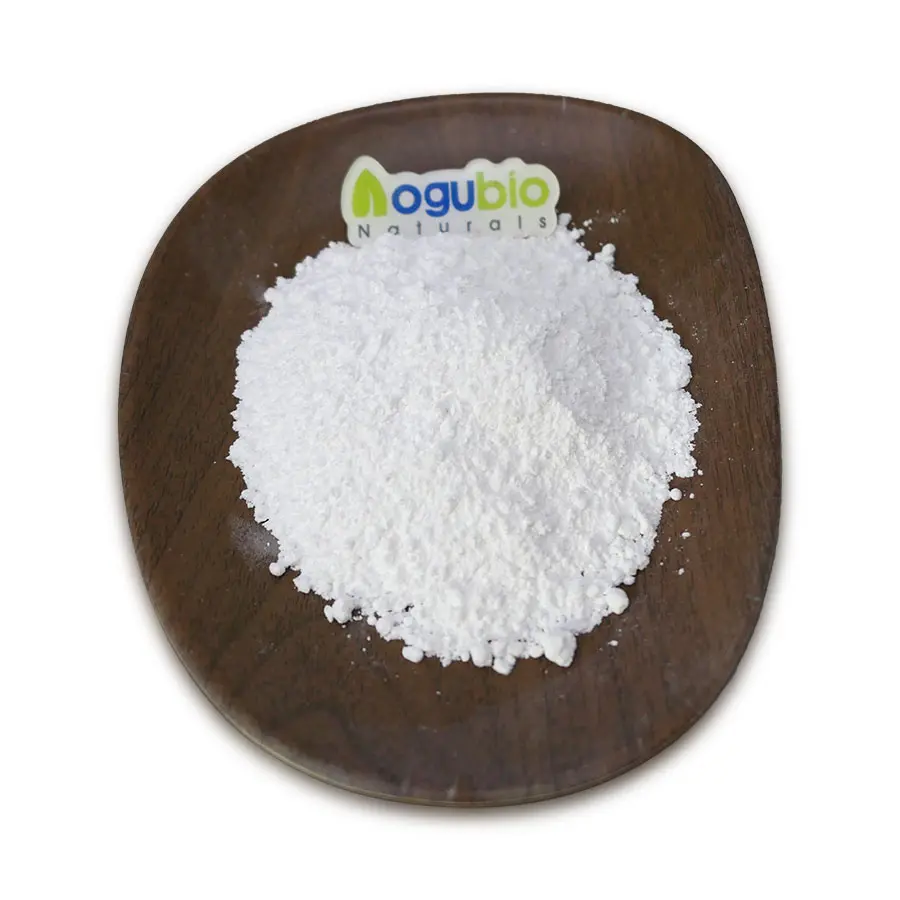
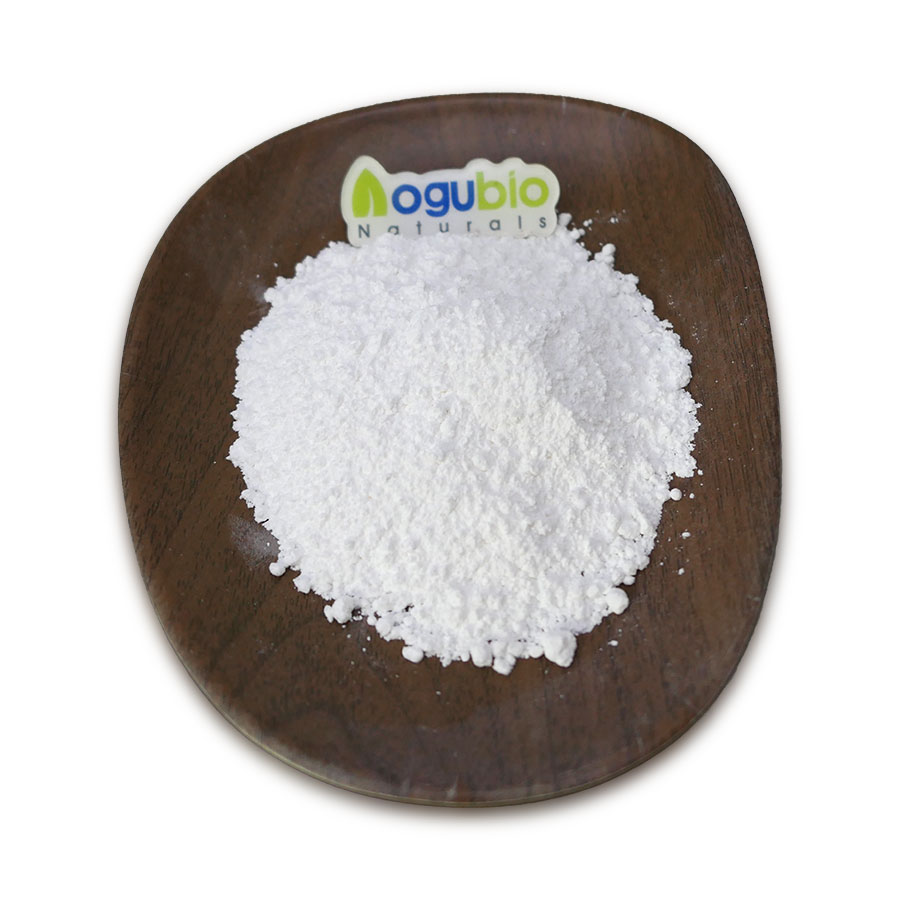
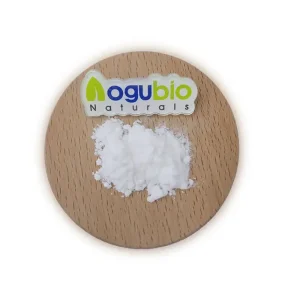
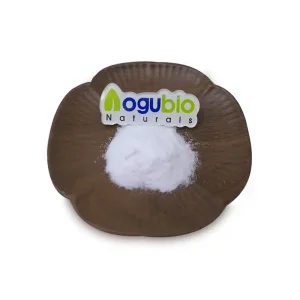
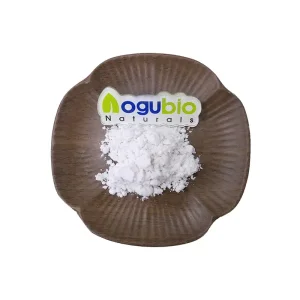
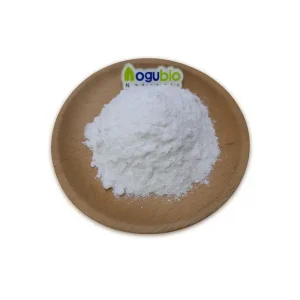
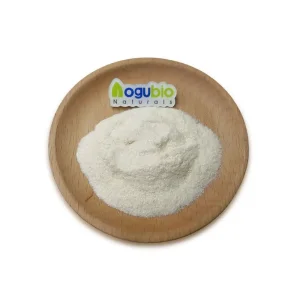
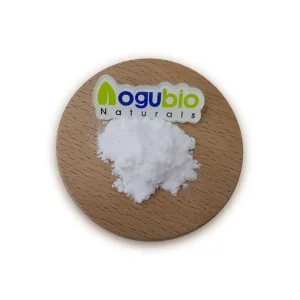
Appearance  White to off-white fine powder
Solubility  Soluble in water. Slightly soluble in glycerin and propylene glycol.

Product Description

01

Product Description & Mechanism

Product Description

Acetyl Tripeptide-30 Citrulline is a biomimetic peptide specifically designed to target the root cause of hair weakening and loss by acting directly within the hair shaft and follicle.

Stabilization of Hair Keratin

The peptide's sequence mimics natural amino acid sequences in the hair shaft. It integrates into the hair fiber, promoting additional cross-links between keratin proteins, reinforcing internal cohesion and resistance to breakage.

Proteolytic Protection

It protects hair keratin from enzymatic degradation (such as microbial proteases) which can weaken the fiber and lead to premature thinning.

Follicle Anchoring

By strengthening the hair shaft from within, the hair is more securely anchored in the follicle, extending the anagen (growth) phase of the hair cycle.

02

Efficacy & Clinical Results

In Vitro Efficacy

  • Hair Strength: Tensile tests showed a significant increase in resistance to breakage (over 30% improvement).
  • Keratin Protection: Effective protection against degradation by specific proteolytic enzymes.
  • Penetration: The acetyl group enhances penetration into the hair shaft site of action.

Clinical Results

Clinical studies over 3-6 months with a topical solution (at 5 ppm) demonstrated:

  • 60% Reduction in hair loss due to breakage as measured by hair pull tests.
  • Increased Density: Visible improvements in hair density and volume confirmed by trichoscopic analysis.
  • Quality Improvement: Self-assessments reported reduced brittleness and a healthier appearance.
03

Safety & Compatibility

Safety Profile
Compatibility

Safety Profile

Well-tolerated and non-irritating when applied topically to the scalp. Suitable for sensitive scalp formulations.

Synergistic Combinations

  • Stimulating Agents (Caffeine, Niacinamide)
  • Other Peptides (Acetyl Tetrapeptide-3)
  • Panthenol (Provitamin B5) for hydration
  • Saw Palmetto Extract
04

Usage & Formulations

Dosage Formulations

Recommended Usage Level: 3 - 10 ppm (0.0003% - 0.001%).

Highly potent and effective at very low concentrations. Ideal for:
  • Scalp Serums & Ampoules
  • Anti-Hair Loss Lotions & Sprays
  • Leave-in Treatments & Tonics
  • Shampoos and Conditioners
05

Summary & Selling Points

Targeted Mechanism
Clinical Reduction
Reinforces Structure
High Potency
Safety
Marketing Story

Targeted Mechanism: Works from within to strengthen keratin.

High Potency: Effective at ppm levels for cost-effective formulations.

Marketing Value: Scientifically-backed "internal reinforcement" narrative.

Storage Storage: Dry, Room Temp
Testing Not Animal Tested
Vegan 100% Vegan
GMO GMO Free Policy

Frequently Asked Questions

Q1: What is the recommended dosage for Acetyl Tripeptide-30 Citrulline? The recommended usage level is between 3 to 10 ppm (0.0003% - 0.001%), making it a highly potent ingredient even at low concentrations.
Q2: How does this peptide reduce hair loss? It reinforces the hair keratin structure from within and improves hair anchoring in the follicle, which significantly reduces hair loss caused by breakage.
Q3: Is it suitable for sensitive scalps? Yes, Acetyl Tripeptide-30 Citrulline has an excellent safety profile and is well-tolerated and non-irritating for scalp applications.
Q4: Can it be used in rinse-off products like shampoos? While it can be incorporated into shampoos and conditioners, its efficacy is generally higher in leave-on products like serums and tonics.
Q5: Is this ingredient vegan-friendly? Yes, it does not contain any animal-derived components and is suitable for vegan cosmetic formulations.
Q6: What is the stability of this peptide in formulations? It is stable in aqueous systems within a standard cosmetic pH range of 4.0 to 7.0.

Related Products