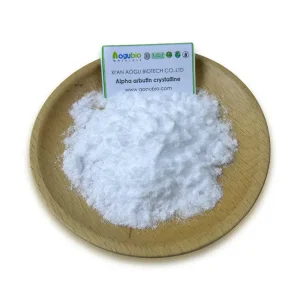
 Aogebio Cosmetic
1 / 2
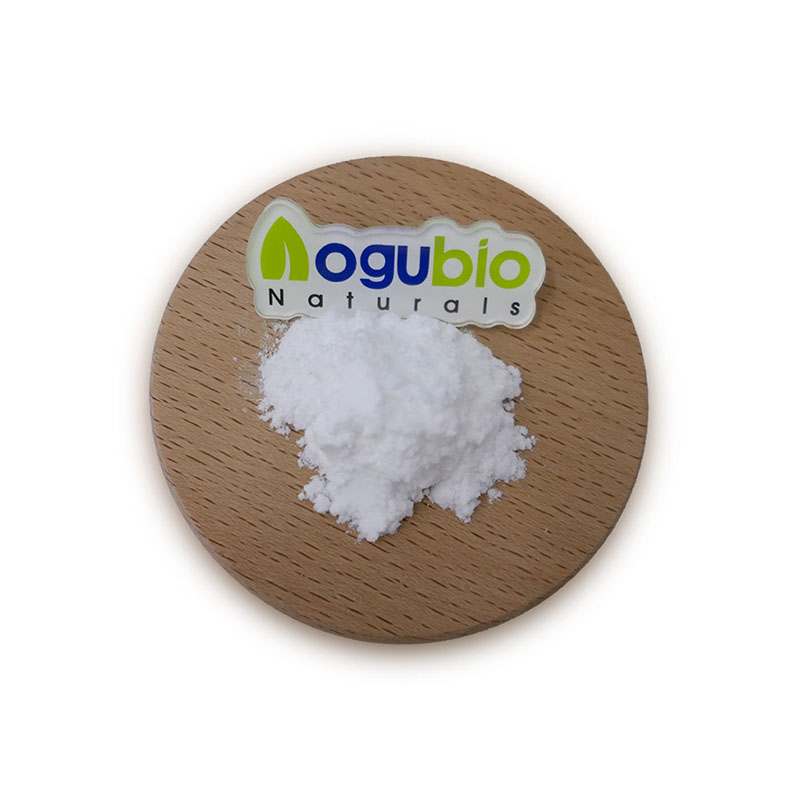
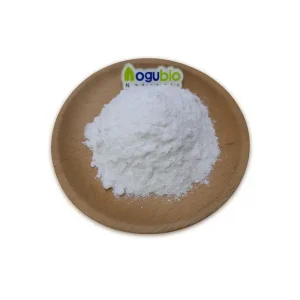
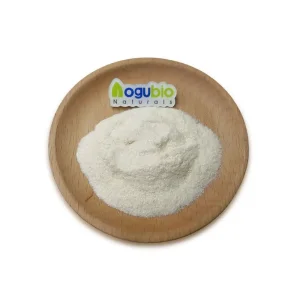
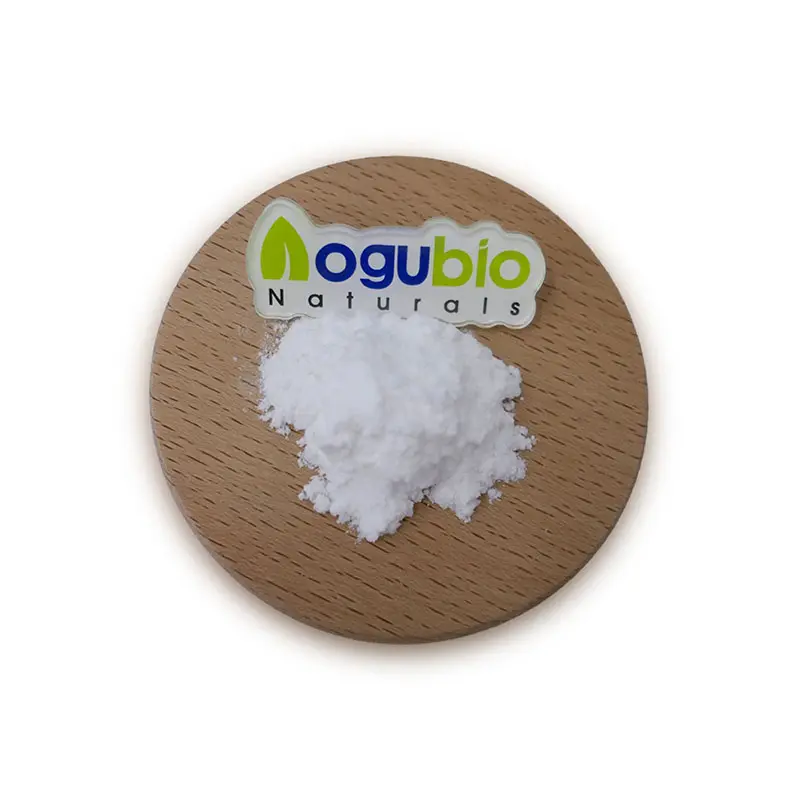
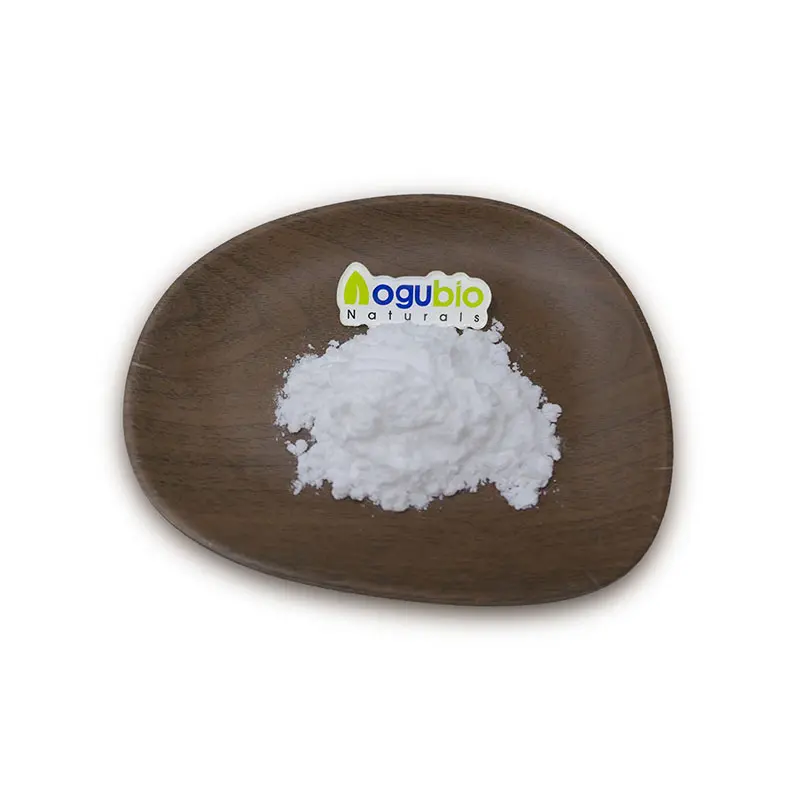
Sodium Ascorbyl Phosphate (SAP), a highly stable and water-soluble derivative of Vitamin C, has emerged as a star ingredient in the skincare industry. Unlike its unstable counterpart, L-ascorbic acid, SAP offers a reliable way to harness the powerful benefits of Vitamin C, making it a go-to choice for formulators seeking effective and consistent results.
One of the primary advantages of SAP lies in its exceptional antioxidant properties. In an environment filled with environmental stressors like UV rays, pollution, and free radicals, SAP acts as a shield for the skin. It neutralizes free radicals, preventing oxidative damage that can lead to premature aging, dullness, and the development of fine lines and wrinkles.
SAP also excels in promoting skin health. It stimulates collagen synthesis, a crucial protein that gives the skin its structure and elasticity. As collagen production increases, the skin becomes firmer, smoother, and more resilient, reducing the appearance of sagging and enhancing overall skin texture.
Moreover, SAP is renowned for its skin-brightening capabilities. It inhibits the production of melanin, the pigment responsible for dark spots, hyperpigmentation, and uneven skin tone. By reducing melanin formation, SAP helps fade existing dark spots, evens out the complexion, and gives the skin a luminous glow.
Another key benefit of SAP is its gentle nature. Unlike some forms of Vitamin C that may cause irritation, SAP is well-tolerated. Its stability and water solubility allow it to be easily incorporated into serums, moisturizers, creams, and masks.
Neutralizes free radicals, helping to protect the skin from oxidative stress.

Helps to reduce hyperpigmentation and improve overall skin tone.
Supports collagen production, promoting skin elasticity and reducing wrinkles.
Can help soothe irritated skin and reduce redness.
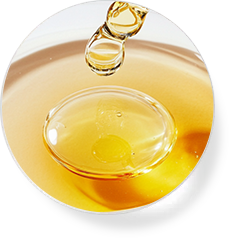
More stable than traditional Vitamin C, suitable for diverse formulations.
Typical Dosage: 0.5% - 5% in skin-care products.
Commonly formulated in creams, lotions, and serums. Specific dosage may vary depending on the intended effect and specific formulation requirements.
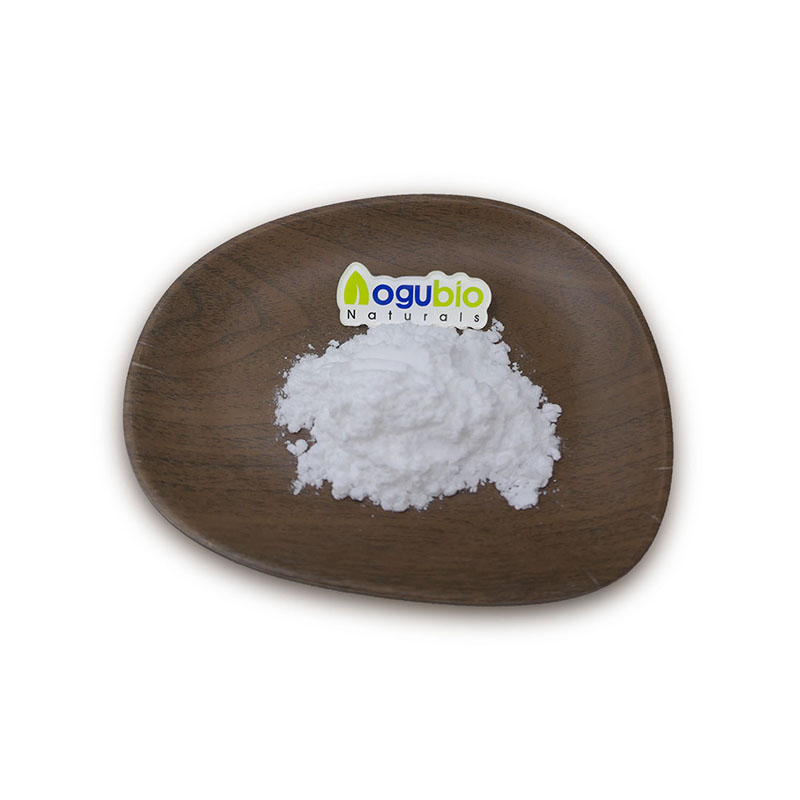

Used in serums, masks, and anti-aging creams.
Included in shampoos and conditioners for antioxidant benefits.

Occasionally used in dietary supplements for health benefits.