 Aogebio Cosmetic
1 / 2
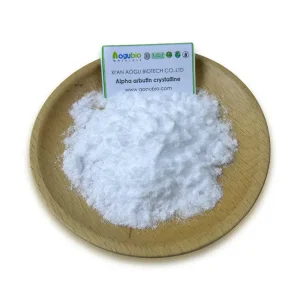
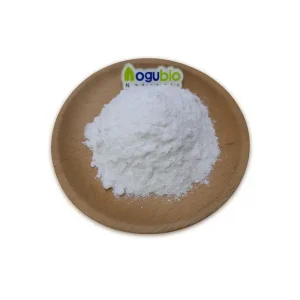
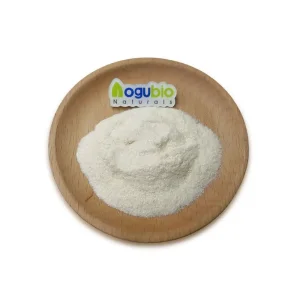
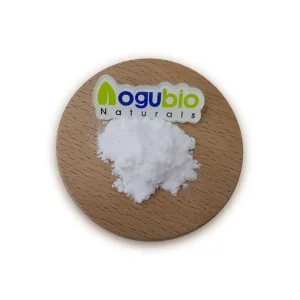
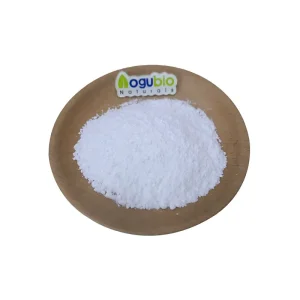
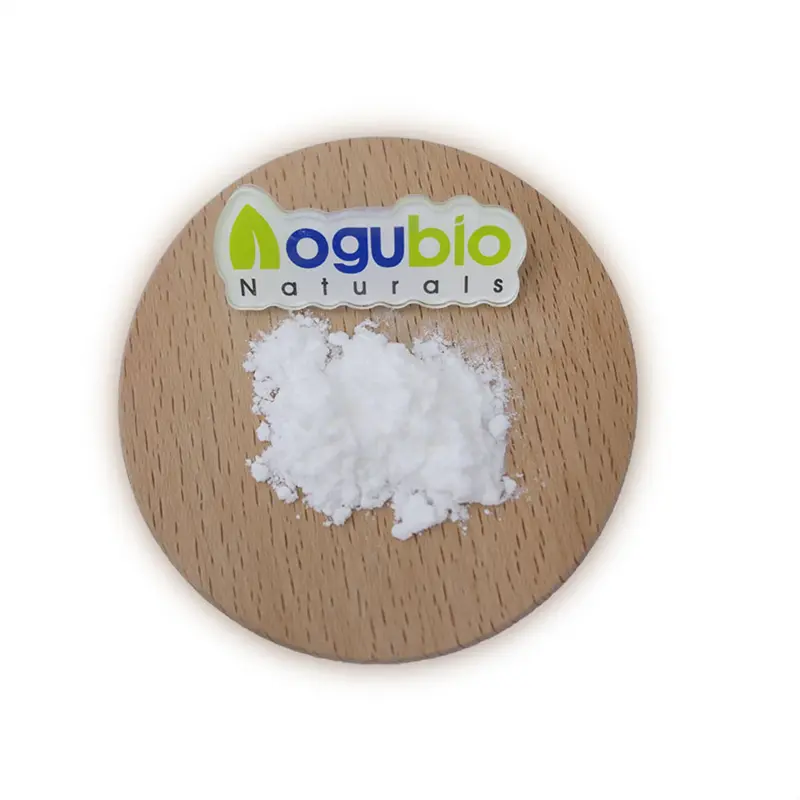
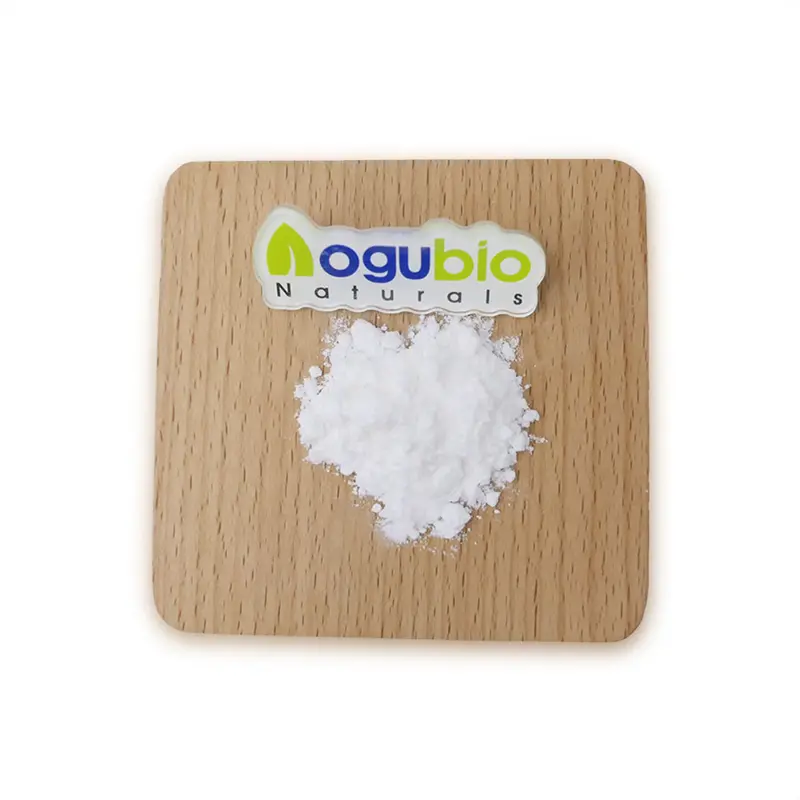
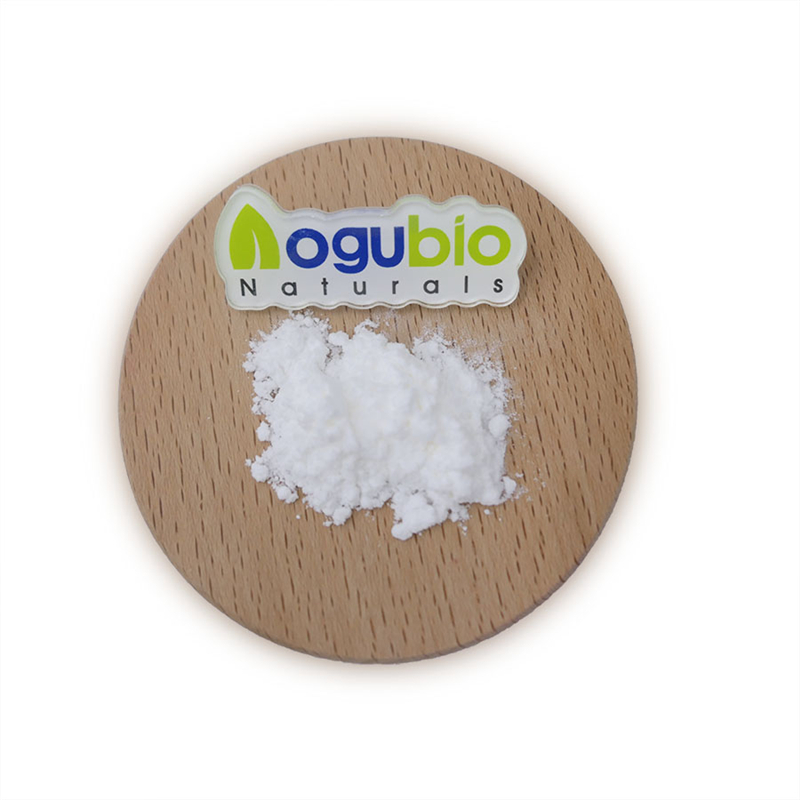
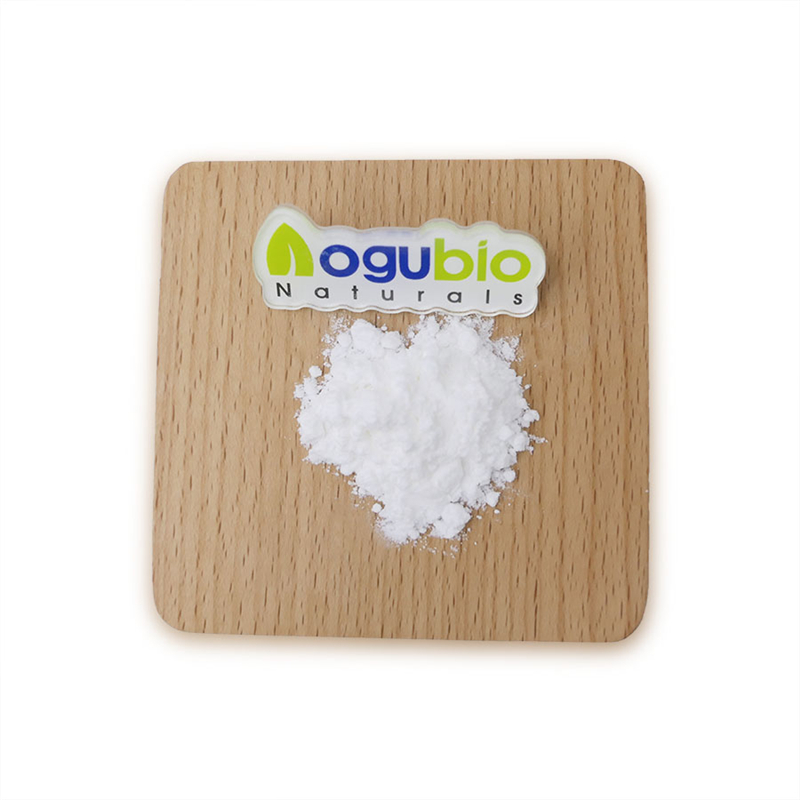
Azelaic acid is a saturated dicarboxylic acid naturally present in various grains, such as wheat, rye, and barley. It can be prepared by microbial fermentation or chemical synthesis methods. Azelaic acid has multiple biological activities. Its mechanisms of action include inhibiting the growth of microorganisms (especially bacteria associated with acne, such as Propionibacterium acnes), inhibiting the activity of tyrosinase to reduce melanin production, and regulating the proliferation and differentiation of keratinocytes.
Effectively inhibits the growth of Propionibacterium acnes, reduces the release of inflammatory mediators, alleviates the inflammation and redness caused by acne, and improves acne symptoms such as comedones, papules, and pustules.
By inhibiting the activity of tyrosinase, it reduces the synthesis of melanin and can be used to treat skin pigmentation problems such as melasma and post-inflammatory hyperpigmentation, making the skin more evenly fair.
It can relieve skin inflammatory reactions and has a certain therapeutic effect on inflammatory skin diseases such as rosacea, alleviating skin erythema and discomfort.
Promotes the normal differentiation of keratinocytes, prevents keratin accumulation, helps to unclog pores, and prevents and improves hair follicle blockage problems.
When developing or using products containing Azelaic Acid, it is best to consult with a professional cosmetic chemist or dermatologist to ensure safety and effectiveness.
Azelaic Acid is commonly used in topical formulations, including creams, gels, and serums, aimed at treating acne, rosacea, and hyperpigmentation.

Acne Treatment Products
Rosacea Treatments
Skin Lightening Products
Exfoliating Products
 Storage: Dry place, Room temp
 Cruelty Free: Not animal tested
 Vegan: No animal components
 GMO: Non-GMO status