Custom Cosmetic Grade Decarboxy Carnosine Hydrochloride (≥98%) Company, Exporter

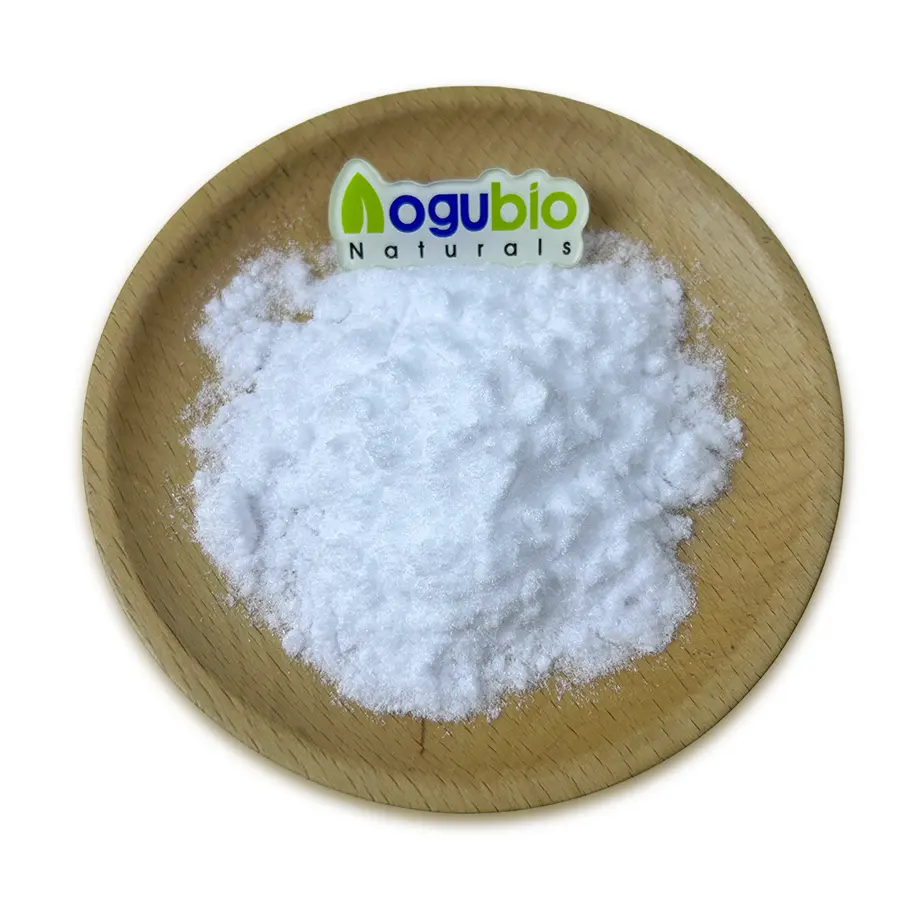
Products Name Decarboxy carnosine hydrochloride
CAS No 57022-38-5
INCI Name Decarboxy carnosine 
Specification  ≥98% (HPLC)
Molecular Weight  234.70 g/mol
Chemical Formula C₉H₁₅ClN₄O
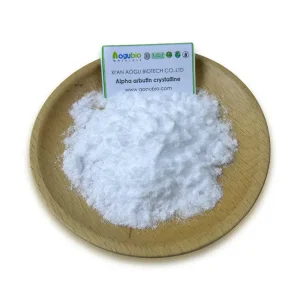
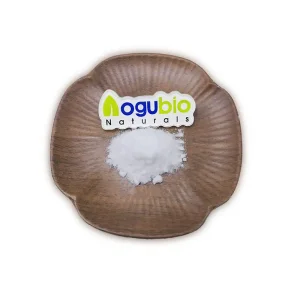
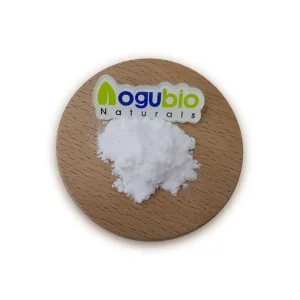
Appearance White to off-white crystalline powder
Solubility Freely soluble in water

Product Description

Mechanism of Action

Product Description

1. Mechanism of Action (MOA)

Decarboxy Carnosine Hydrochloride is a stabilized derivative of L-carnosine with enhanced bioavailability and cellular penetration. Its primary mechanisms include:

Advanced Glycation End-products (AGEs) Inhibition
Acts as a potent carbonyl quencher, neutralizing reactive dicarbonyl species (e.g., methylglyoxal, glyoxal) that drive protein cross-linking and AGEs formation. Protects collagen and elastin fibers from glycation-induced stiffness and yellowing.
Mitochondrial Protection
Reduces glycative and oxidative stress in mitochondria, preserving cellular energy production and delaying senescence.
Anti-Inflammatory Activity
Suppresses NF-κB pathway activation and downstream pro-inflammatory cytokines (e.g., IL-6, TNF-α).

2. In Vitro Efficacy Data

  • AGEs Inhibition: 92% reduction in methylglyoxal-induced collagen glycation at 0.05 mM.
  • Carbonyl Quenching Capacity: 4.5-fold higher than L-carnosine in glycation simulation models.
  • Collagen Protection: 80% decrease in fluorescent AGEs formation in human dermal fibroblasts.
  • Cellular Viability: 40% reduction in ROS levels under glycative stress.

Clinical Results

Study Design: 8-week randomized trial on 50 subjects (35–60 years) using a cream containing 1.5% Decarboxy Carnosine HCl.

📈 Skin Elasticity

21% improvement (cutometer R7 parameter).

Wrinkle Depth

28% reduction in periocular wrinkles by 3D image analysis.

🛡️ Skin Clarity

Significant decrease in yellowing (ΔITA° = +7.5).

Hydration: 18% increase in corneometer values. Subject Feedback: 88% reported improved skin firmness and brightness.
Safety & Compatibility

Safety Profile

Safety Profile

Non-irritating (HRIPT certified), non-comedogenic, and suitable for sensitive skin.
Compatibility

Formulation Compatibility

Stable at pH 4.5–7.5. Compatible with antioxidants (vitamin C, E), niacinamide, hyaluronic acid, and most peptide blends. Avoid strong oxidizing/reducing agents and highly alkaline conditions (>pH 8.0).
Usage Guidelines

Recommended Usage & Dosage

  • Use Level: 1–3% in final product.
  • Optimal Dose: 1.5–2% for significant anti-glycation and anti-aging benefits.
  • Recommended Applications: Anti-glycation serums and creams, Mature skin treatments, Brightening and radiance-boosting formulations, Preventive aging products.

Summary & Key Selling Points

Bioavailability

Enhanced Bioavailability

Anti-Glycation

Potent Anti-Glycation

Anti-Aging

Multi-Modal Anti-Aging

Validated

Clinically Validated

Storage

Storage

Store in a closed container at a dry place at room temperature.

Animal Testing

Animal Testing

Not animal tested.

Vegan

Vegan

Does not contain animal-derived components.

GMO

GMO

No data available.

Frequently Asked Questions

What is the recommended dosage for Decarboxy Carnosine HCl?
The recommended usage level is 1–3% in the final product. For significant anti-glycation and anti-aging benefits, an optimal dose of 1.5–2% is suggested.
Is it stable in common skincare formulations?
Yes, it is highly stable within a pH range of 4.5–7.5 and is compatible with most active ingredients like vitamin C, vitamin E, niacinamide, and hyaluronic acid.
How does it differ from traditional L-carnosine?
It is a stabilized derivative with significantly higher bioavailability and cellular penetration. It offers 4.5-fold higher carbonyl quenching capacity than traditional L-carnosine.
What are the main benefits for aging skin?
It targets skin yellowing, loss of elasticity, and wrinkles by inhibiting Advanced Glycation End-products (AGEs) and protecting mitochondrial energy.
Is this ingredient suitable for vegan products?
Yes, it does not contain any animal-derived components and has not been tested on animals.
Does it help with sensitive skin?
Yes, clinical data indicates it is non-irritating (HRIPT certified) and non-comedogenic, making it suitable for sensitive skin types.

Related Products