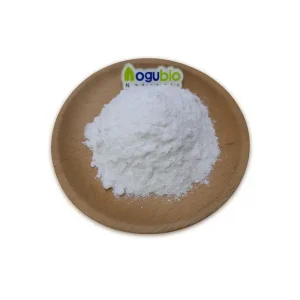
 Aogebio Cosmetic
1 / 2
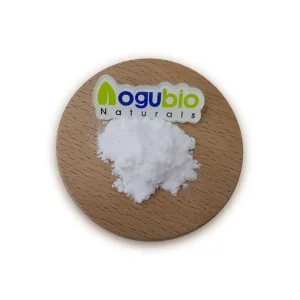
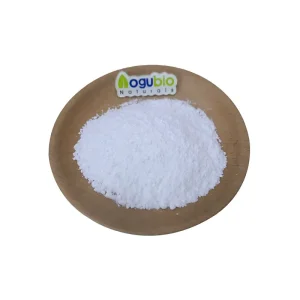
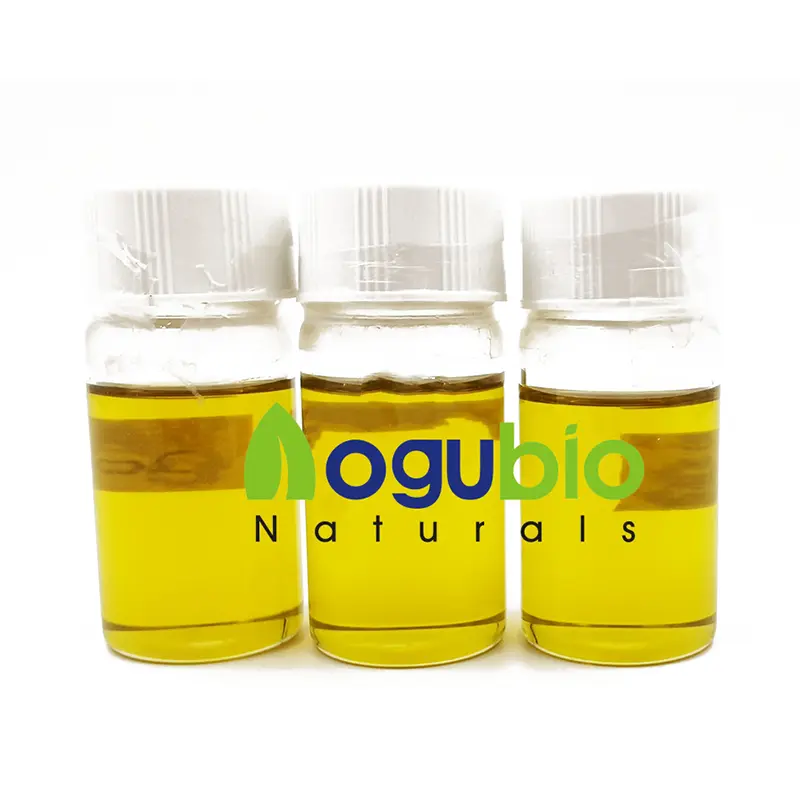
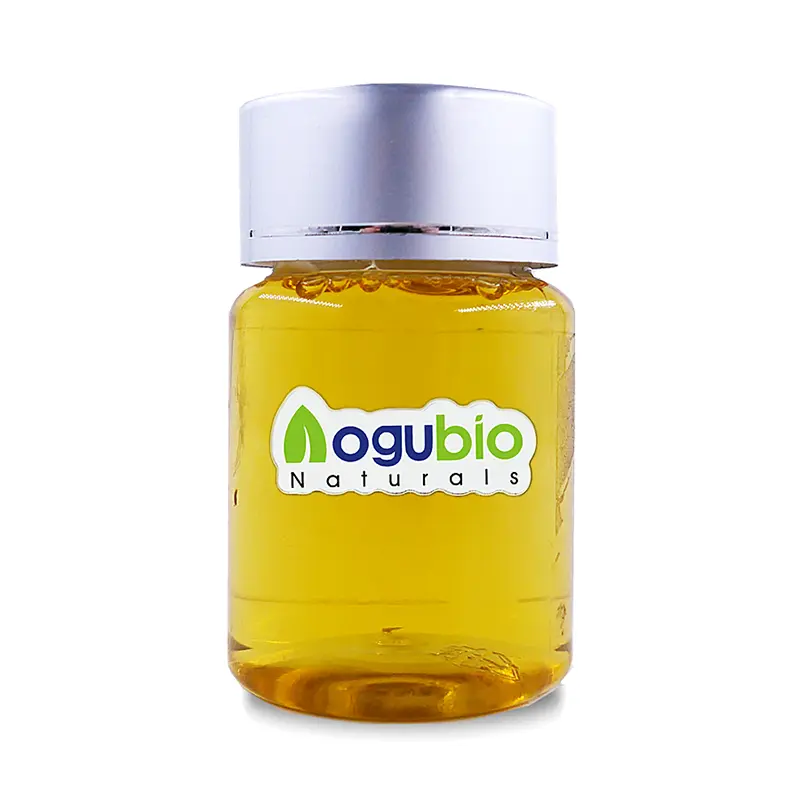
Erythrulose is a natural ketotetrose (four-carbon sugar) classified as a low-calorie sweetener and functional ingredient. It occurs naturally in small amounts in foods like sugarcane, honey, and mushrooms. As a synthetic compound, it is produced via microbial fermentation or chemical synthesis. Erythrulose is valued for its ability to enhance browning reactions (Maillard reaction) in foods and its mild moisturizing/antioxidant properties in cosmetics.
Erythrulose is a naturally occurring keto-sugar that is often used in the cosmetic and skincare industry, particularly in self-tanning products. It is a colorless, odorless compound that reacts with amino acids in the skin to produce a bronzing effect similar to that of dihydroxyacetone (DHA). Derived from red raspberries, it is known for providing a more even and natural-looking tan.
D-Erythrulose is a premium INCI-certified, plant-derived ketose sugar that delivers dual-action hydration and antioxidant protection for innovative skincare solutions. This multifunctional active ingredient naturally enhances skin moisturization and a healthy complexion while being gentle for sensitive skin.
Erythrulose tends to produce a more subtle and even tan, reducing the risk of streaking or orange tones.
The tan created can last longer than that produced by DHA alone, often maintaining its effect for up to 10 days.
Erythrulose helps to hydrate the skin, contributing to a healthier and more radiant appearance.
It can be used in combination with other tanning agents, enhancing the overall depth and quality of the effect.
Generally considered safe for topical use and is less likely to cause irritation compared to aggressive tanning agents.
Erythrulose is primarily used in self-tanning formulations, including lotions, sprays, and mousses. It is often combined with DHA to enhance the tanning effect and improve the overall quality of the product.
Recommended Concentration: 1% to 5%
Usage levels depend on the desired intensity of the tan and the specific formulation type.
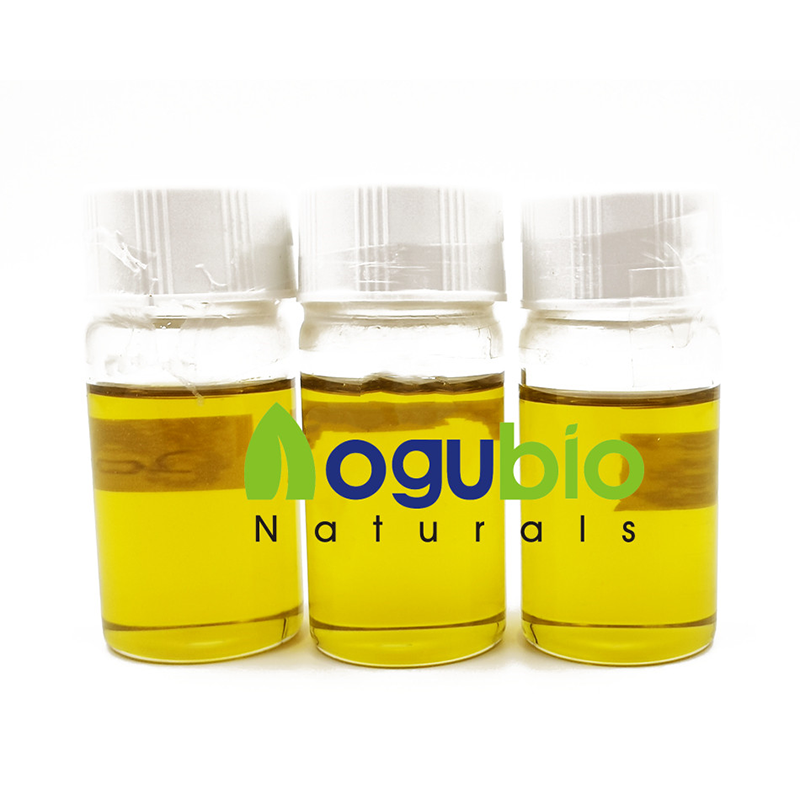
Commonly found in color cosmetics, sun & skin protection, hair care products, shaving creams, and moisturizers.
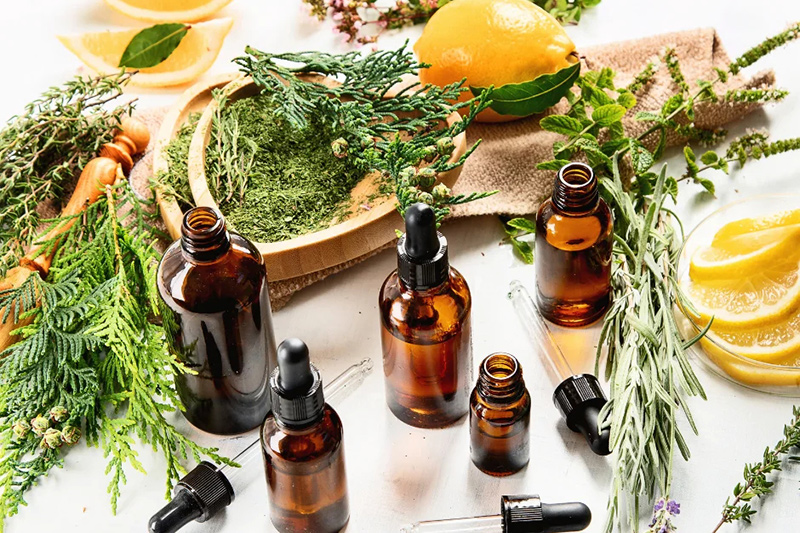
Widely used in creams, gels, and sprays for a sunless tan.
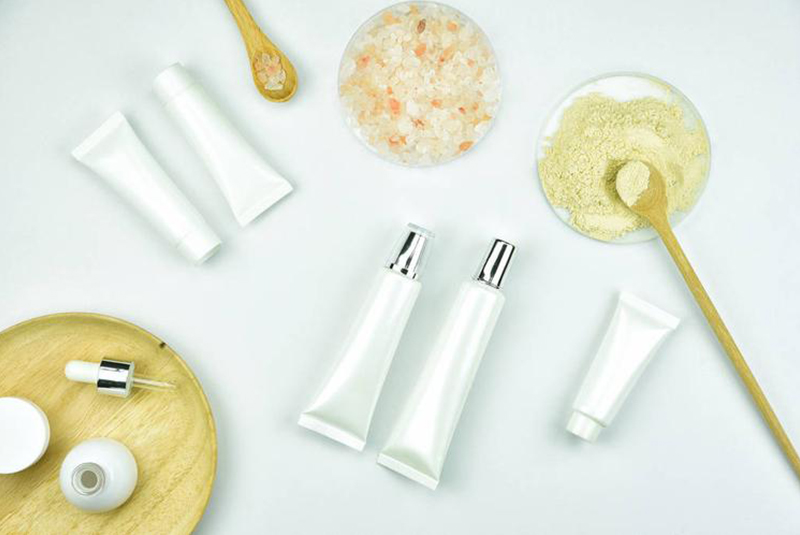
Incorporated into makeup products for a bronzing effect.
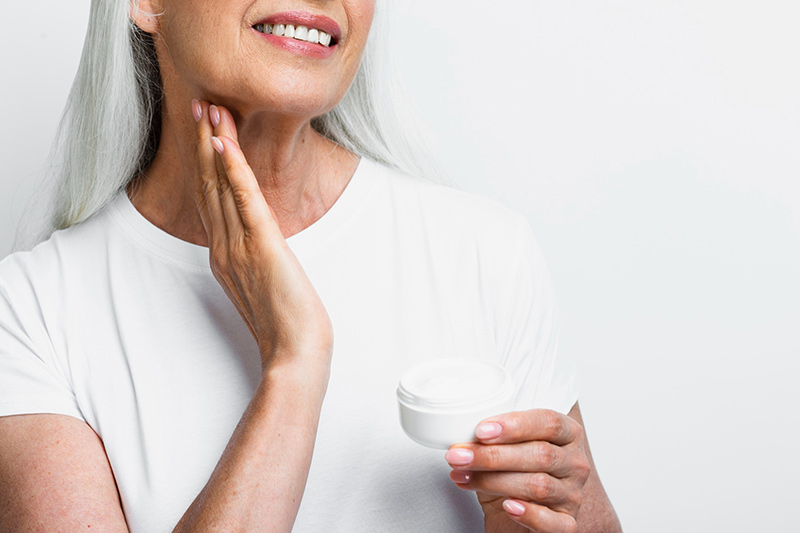
Hydrating lotions and creams to improve skin appearance.
 Storage: Dry Place / Room Temp
 Not Animal Tested
 100% Vegan
 GMO Free Available
Erythrulose is a naturally occurring sugar derived from red raspberries. It can also be produced through microbial fermentation.
Erythrulose reacts more slowly and gently with the skin's surface than DHA. This results in a more natural-looking, even tan with less risk of streaks or an "orange" appearance.
Yes, Erythrulose is known for its mildness. It is a non-toxic compound that provides moisturizing benefits, making it generally safer and less irritating than many other tanning agents.
When used in self-tanning formulations, the bronzing effect typically lasts up to 10 days, which is often longer than products using DHA alone.
The typical concentration range for Erythrulose in formulations like lotions, sprays, and mousses is between 1% and 5%.
Absolutely. Due to its antioxidant and moisturizing properties, it is also incorporated into daily moisturizers, hair care, and color cosmetics for overall skin health.