 Aogebio Cosmetic
1 / 1
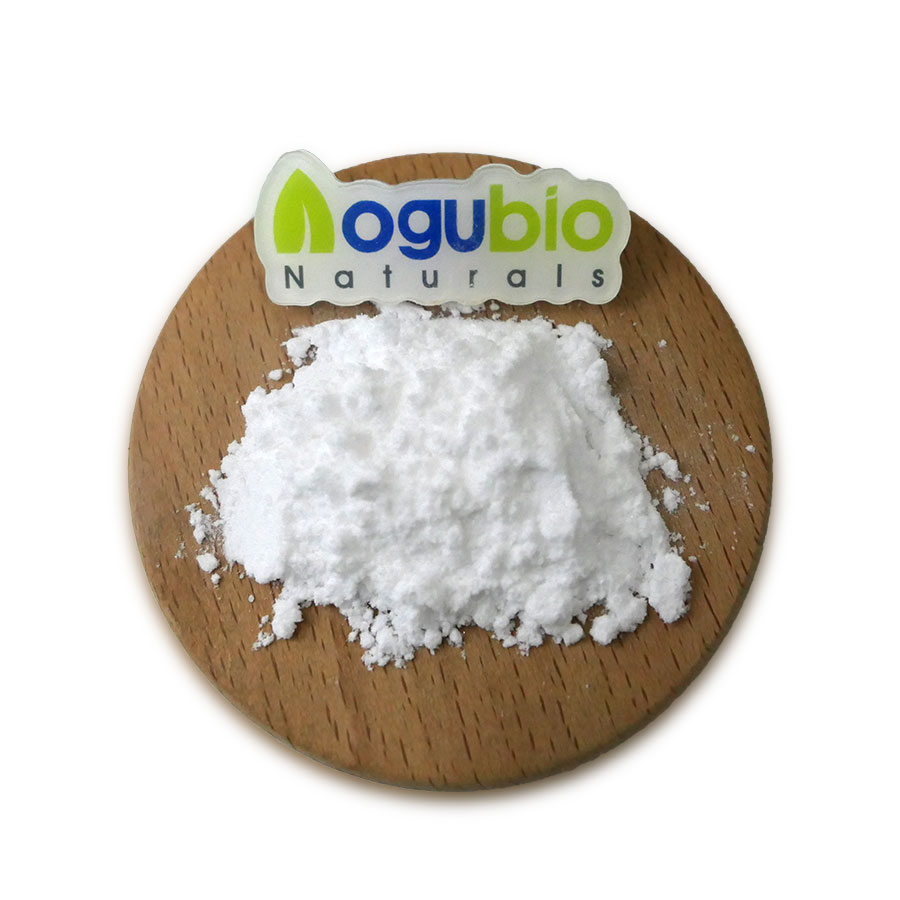
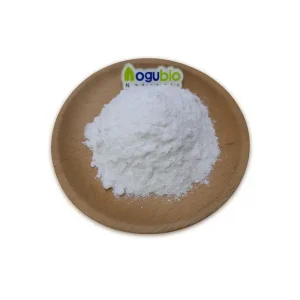
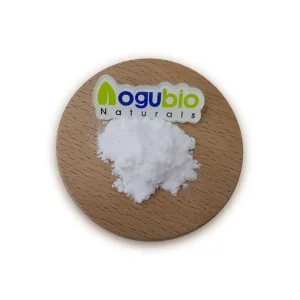
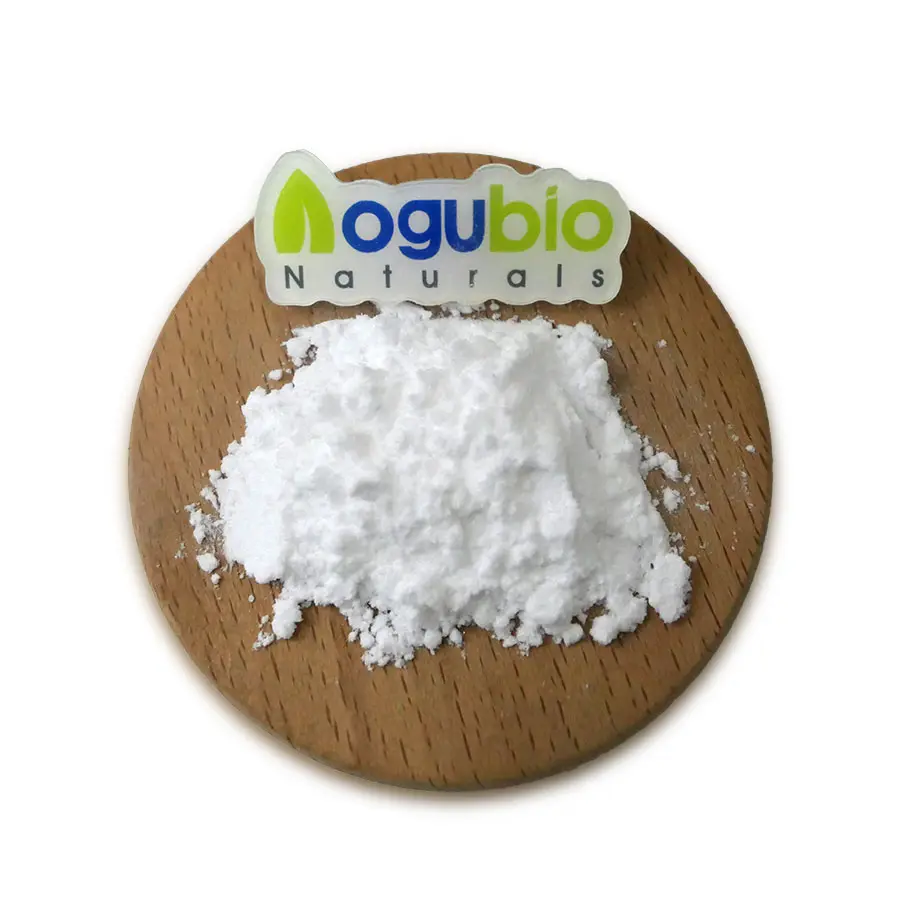
Glucosamine HCl (glucosamine chloride) is an amino sugar, usually derived from chitosan or chitin. It is widely used in skin care due to its good moisturizing and repairing properties. Glucosamine HCl can promote skin health and improve the appearance and texture of the skin.
Discover the transformative benefits of Glucosamine HCl, a premium-grade bioactive ingredient that bridges joint health and advanced skincare. As a naturally occurring amino sugar, Glucosamine HCl is scientifically proven to stimulate hyaluronic acid synthesis, enhance collagen production, and reinforce the skin’s moisture barrier—delivering a visibly smoother, plumper, and more youthful complexion.
Glucosamine HCl can enhance the skin’s hydration capacity, help retain skin moisture, and improve dry and rough skin texture.
It helps stimulate the production of collagen, thereby improving skin elasticity and firmness and reducing the appearance of wrinkles.
Glucosamine HCl has anti-inflammatory properties that can reduce skin redness and irritation, making it suitable for sensitive skin.
By promoting cell renewal, Glucosamine HCl can help even out skin tone and improve dullness.
💡 Recommended Usage: Glucosamine HCl is usually added as an active ingredient, and the recommended usage concentration is generally between 0.5% and 3%. It can be combined with other ingredients such as antioxidants and moisturizers to enhance the overall skin care effect.
Commonly used in moisturizing creams, lotions and facial masks, anti-aging serums and creams, repair creams and soothing masks.
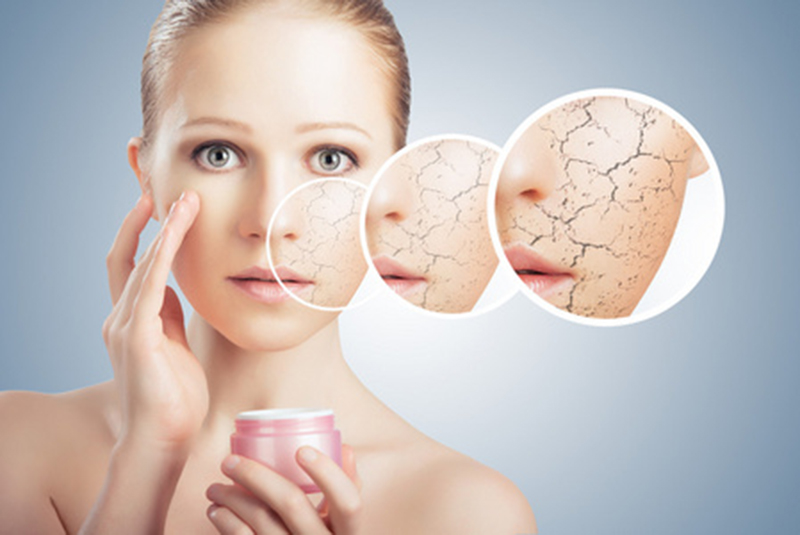
Widely used in creams, lotions and masks to provide deep hydration.
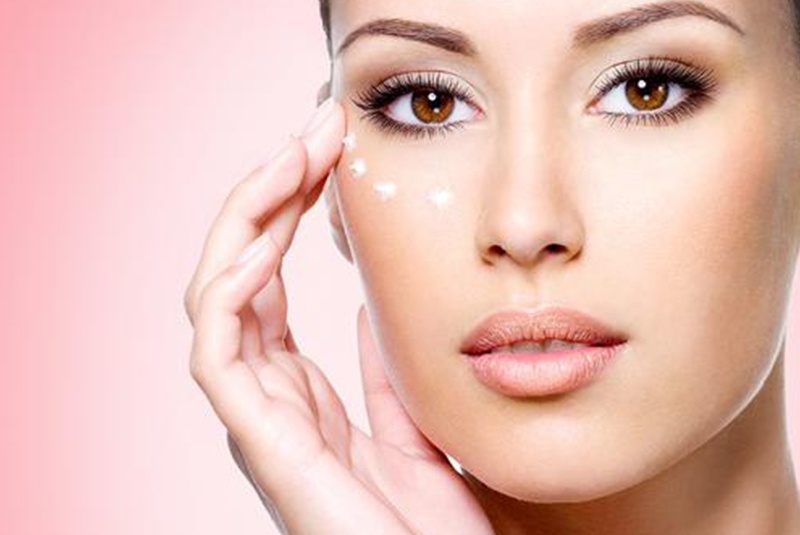
Used in serums to improve elasticity and reduce fine lines.
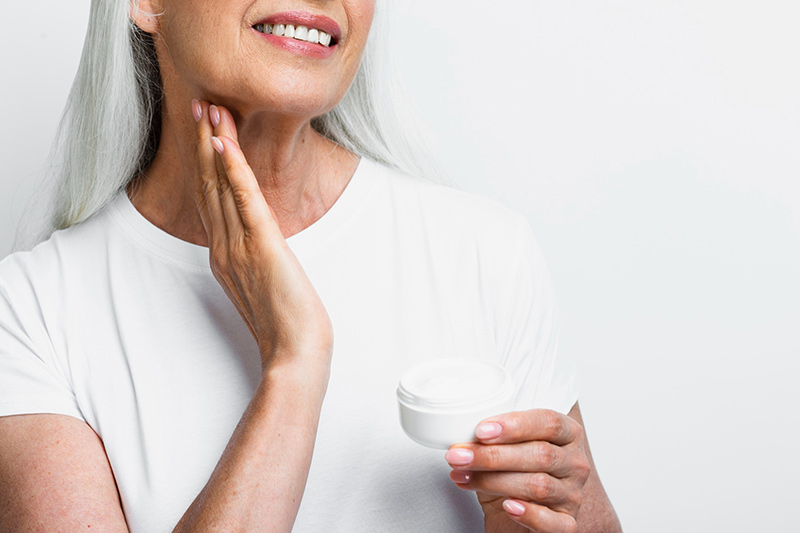
Soothing masks to help relieve irritation and promote healing.
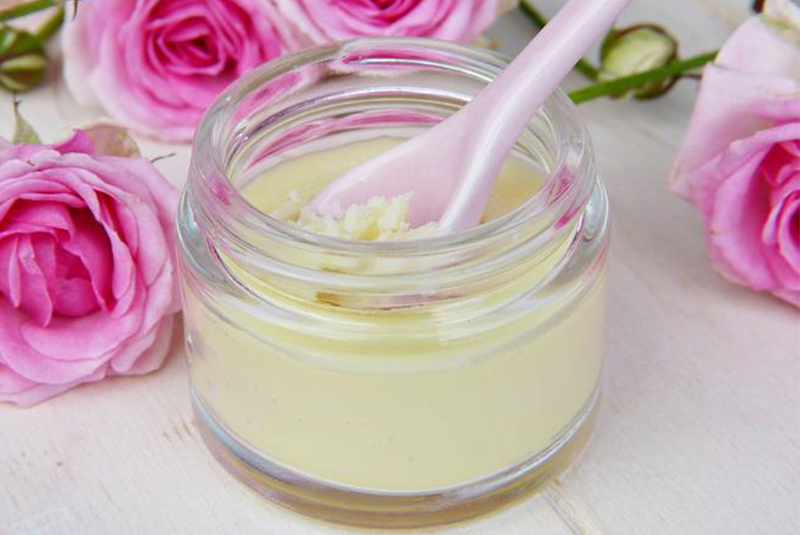
Help improve uneven skin tone and dullness.


Glucosamine HCl primarily acts as a moisturizing and repairing agent. It stimulates the skin's natural production of hyaluronic acid and collagen, leading to improved hydration and elasticity.
Yes, it has significant anti-inflammatory properties that can help reduce redness and soothe irritation, making it an excellent choice for sensitive or post-treatment skin.
For most skincare applications like serums and creams, the recommended active concentration is between 0.5% and 3%.
Absolutely. By boosting collagen synthesis and protecting against glycation, it helps reduce the appearance of fine lines and wrinkles while restoring skin density.
The product is described as not containing animal-derived components, making it compatible with vegan skincare formulations.
It should be kept in a tightly closed container and stored in a cool, dry place at room temperature to maintain its bioactive stability.