ODM The Barrier-Boosting Peptide Palmitoyl Tripeptide-3 Companies, Exporter

Products Name  Palmitoyl Tripeptide-3
CAS No   202837-53-4
INCI Name  Palmitoyl Tripeptide-3
Specification  ≥95% (HPLC)
Molecular Weight  580.8 g/mol
Chemical Formula  C₃₁H₅₆N₄O₆
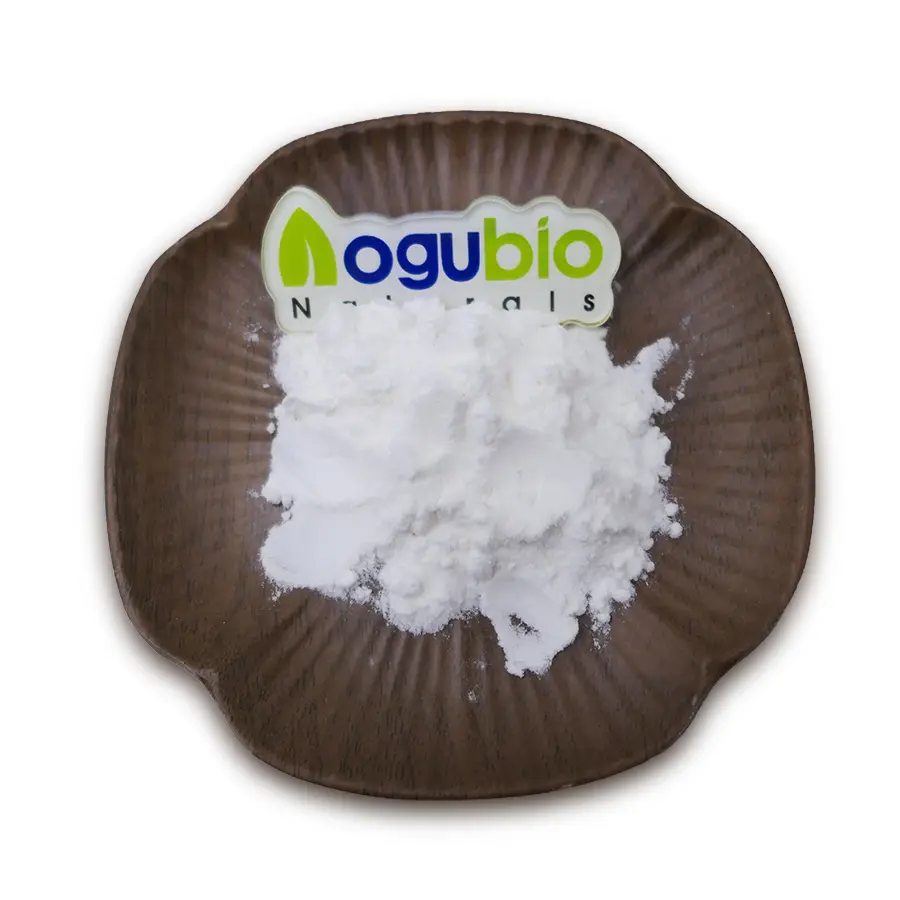
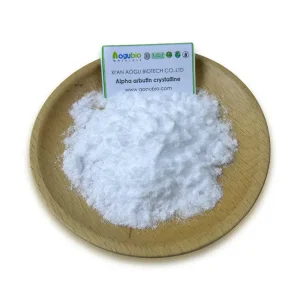
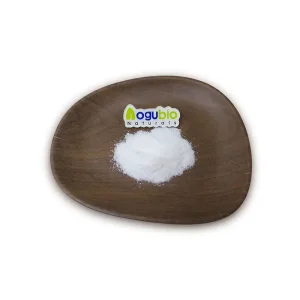
Appearance  White to off-white fine powder
Solubility  Soluble in water and glycerin; slightly soluble in ethanol.

Product Description

Product Description & Mechanism of Action (MOA)

Palmitoyl Tripeptide-3 Analysis

Palmitoyl Tripeptide-3 is a biomimetic signal peptide designed to specifically target and strengthen the skin's barrier function at a fundamental level. Its mechanism is distinct from soothing or anti-aging peptides.

Upregulation of Tight Junction Proteins

Its primary target is the upregulation of key structural proteins that form "Tight Junctions" (TJs), particularly Claudin-1. Tight Junctions are the seal between skin cells in the stratum corneum, acting as a primary gatekeeper against external aggressors and preventing water loss.

Reinforcing the Skin's "Bricks and Mortar"

By stimulating the synthesis of Claudin-1, Palmitoyl Tripeptide-3 effectively "cements" the skin cells together, leading to a denser, more cohesive, and less permeable barrier.

Multi-Faceted Barrier Support: This action complements the role of lipids (the "mortar") and other structural proteins like filaggrin, resulting in a comprehensive reinforcement of the skin's defense system. In summary, it acts as a biological signal to "instruct" skin cells to build stronger and tighter connections.

In Vitro Efficacy Data & Clinical Results

Tested on human keratinocyte cultures (HaCaT cells) and 3D reconstructed human epidermis models.

  • Increased Claudin-1 Expression: Demonstrated a dose-dependent increase, often exceeding 150% of baseline levels.
  • Improved Barrier Integrity: Significantly reduced the penetration of tracer molecules and allergens in 3D skin models.
  • Reduction in Inflammation Markers: Indirectly leads to a downregulation of pro-inflammatory cytokines like IL-1α.

Clinical Results (TEWL & SLS Test)

TEWL Measurement: A statistically significant reduction in Transepidermal Water Loss was observed with 2-5 ppm concentration, indicating a more effective barrier.

SLS Challenge Test: Areas pre-treated with the peptide showed significantly less erythema (redness) and irritation compared to untreated areas after exposure to Sodium Lauryl Sulfate.
Safety & Compatibility

S
Safety Profile
Safety Profile

Non-irritating, non-sensitizing, and highly biocompatible. Suitable for all skin types, especially those with impaired or sensitive barriers.
C
Compatibility
Compatibility

Synergistic Combinations: Works excellently with Ceramides, Cholesterol, and Fatty Acids. Also pairs well with soothing agents like Niacinamide or Bisabolol.

Recommended Usage & Formulation

Formulation Application

Recommended Concentration: 2 - 10 ppm (0.0002% - 0.001%). Highly effective at very low concentrations.
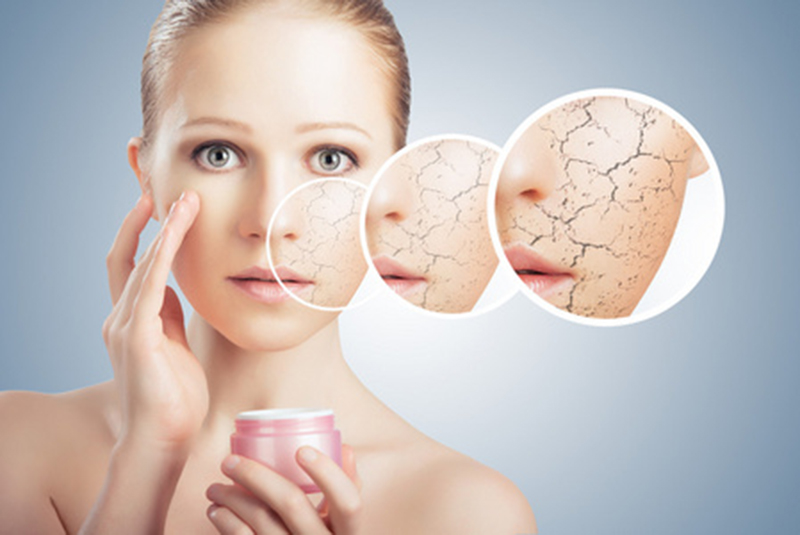
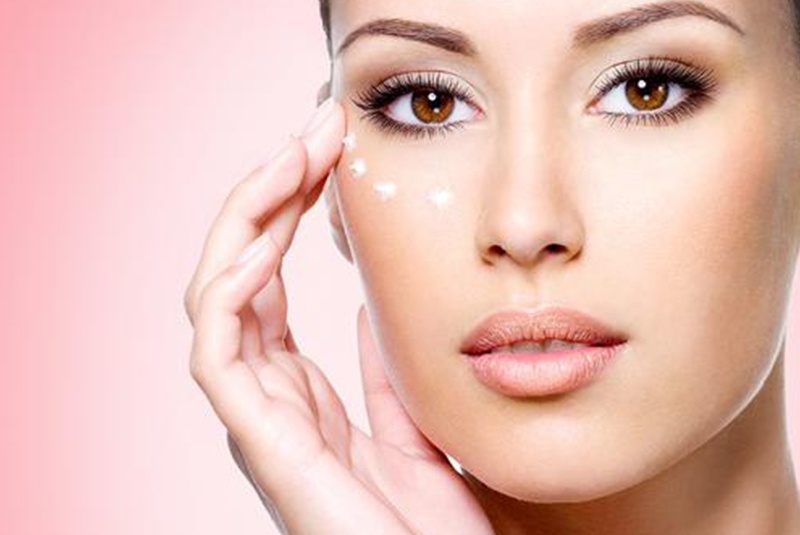
Barrier Repair Creams
Sensitive Skin Serums
Post-Procedure Care
Body Lotions
Baby Care Products

Key Selling Points Summary

Target Biology
Protection
Sensitivity
Hydration
Proven Efficacy
Versatile
  • Targets Barrier Biology: Uniquely upregulates Tight Junction proteins (Claudin-1).
  • Proactive Protection: Fortifies skin against daily aggressors like pollution and allergens.
  • Reduces Sensitivity: Decreases skin reactivity by building a stronger "wall".
  • Improves Hydration: Directly translates to reduced water loss and long-term moisture.
Storage Storage: Dry place, Room Temperature
Animal Testing Not Animal Tested
Vegan Vegan Friendly
GMO GMO Free (No Data)

Frequently Asked Questions

1. What exactly is Palmitoyl Tripeptide-3?
It is a biomimetic signal peptide that specifically stimulates the production of Tight Junction proteins like Claudin-1 to reinforce the skin's physical barrier from within.
2. How is it different from other anti-aging peptides?
While many peptides focus on collagen synthesis or muscle relaxation, Palmitoyl Tripeptide-3 specifically targets the "Tight Junctions" between cells to prevent water loss and external irritation.
3. Is it suitable for highly sensitive skin?
Yes, it is non-irritating and highly biocompatible. It is often used in products specifically designed for sensitive or compromised skin barriers to reduce reactivity.
4. What is the suggested concentration in formulations?
The recommended usage concentration is very low, ranging from 2 ppm to 10 ppm (0.0002% - 0.001%), making it highly efficient.
5. Can it be used in post-procedure skincare?
Absolutely. Its ability to accelerate barrier recovery and protect against irritants makes it ideal for pre- and post-procedure care products.
6. Does it help with skin hydration?
Yes, by reducing Transepidermal Water Loss (TEWL), it helps the skin retain its natural moisture more effectively over the long term.

Related Products