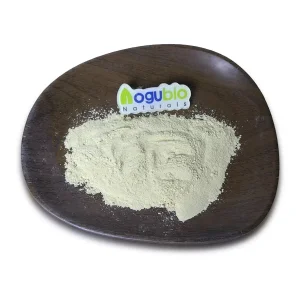
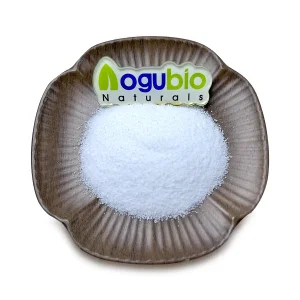
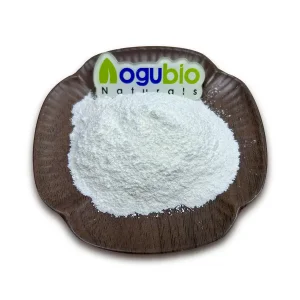
Sweden, a nation known for its minimalist "Lagom" philosophy and extreme seasonal variations, has emerged as a significant hub for high-performance sun care innovation. Despite the northern latitude, Swedish consumers are among the most educated globally regarding UV protection. From the intense "Midnight Sun" of the Lapland summers to the reflective glare of snow in the ski resorts of Åre, the demand for sophisticated, pharmaceutical-grade sunscreens is constant.
Sunscreens factories in Sweden are increasingly focusing on the intersection of Biotechnology and Sustainable Manufacturing. Stockholm and Gothenburg host numerous R&D labs that specialize in formulating products capable of withstanding harsh Nordic environments. These facilities don't just produce finished goods; they are pioneers in testing UV filters like Bis-Ethylhexyloxyphenol Methoxyphenyl Triazine (Tinosorb S) and Uvinul A Plus under real-world Arctic conditions.
For exporters targeting the Swedish market, or Swedish factories looking to go global, the emphasis is on Clean Beauty. Regulations here are stringent, often exceeding basic EU standards to ensure that sunscreens are both coral-reef safe and biodegradable, protecting the delicate Baltic Sea ecosystem. This has led to a surge in demand for high-stability ingredients like Octocrylene and advanced Nano Titanium Dioxide, which provide transparent yet robust protection.
Founded in 2013 and headquartered in the prestigious high-tech zone of Xi'an, Xi'an Aoge Biotech Co., Ltd., along with its subsidiaries Xi'an Imaherb Biotech Co., Ltd. and Xi'an Nahanutri Biotech Co., Ltd., has established itself as a leading force in the cosmetics raw materials industry.
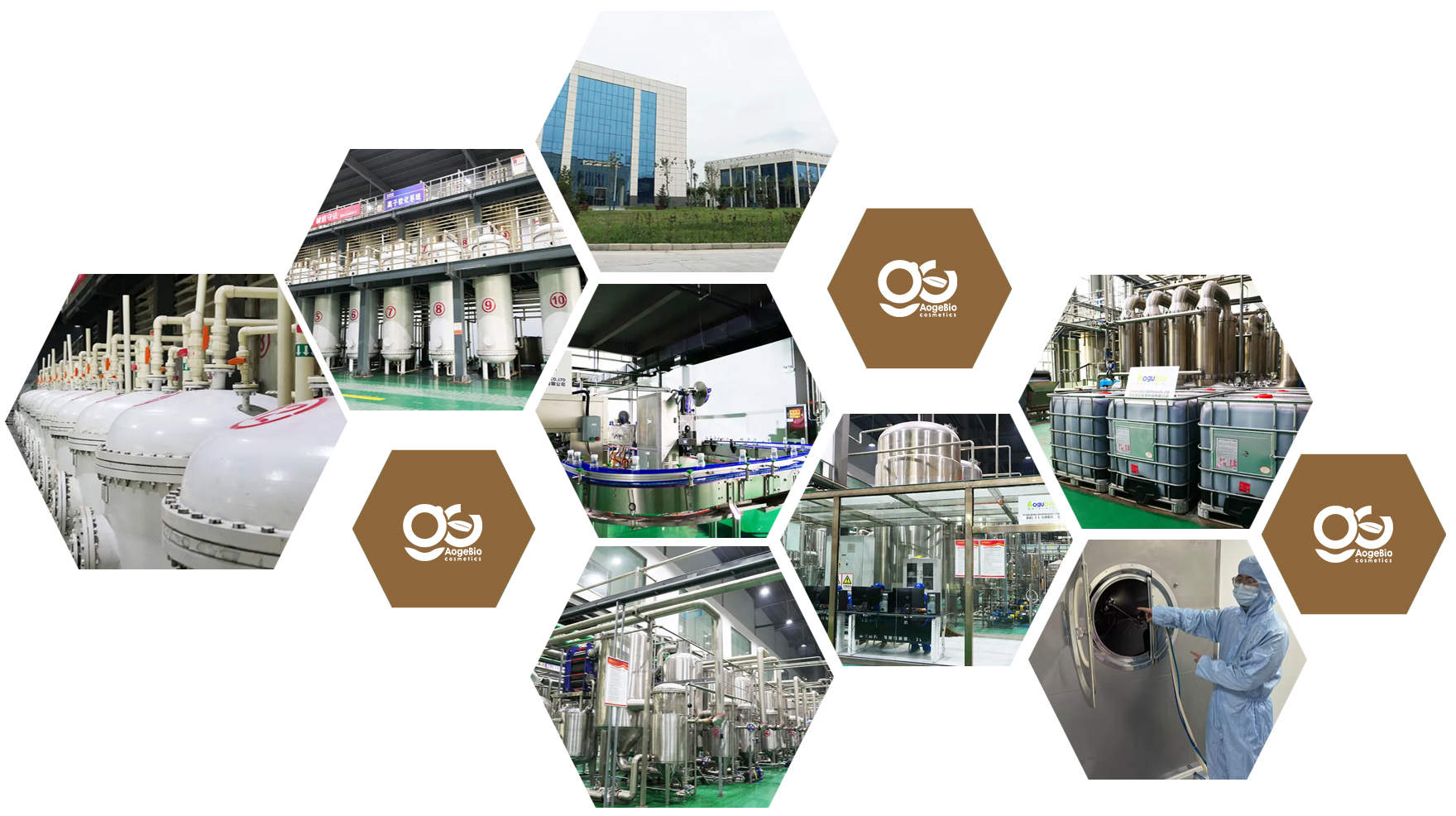
Our expansive cooperative factory, spanning 1,000 mu (approximately 165 acres), is equipped with state-of-the-art extraction technology. This advanced infrastructure allows us to manufacture a wide array of premium cosmetic raw materials. Our product line includes natural plant extracts specifically designed for organic cosmetics, as well as synthetic ingredients for high-end skincare formulations. These raw materials serve as the foundation for a multitude of skincare, haircare, and makeup products, ensuring superior quality and efficacy throughout the entire production process.
The Swedish market is currently shifting toward "Blue Light" (HEV) and Infrared protection. With Swedes being heavy users of digital technology, factories are integrating UV filters like Mexoryl SX & XL with antioxidant-rich botanical extracts. This hybrid approach ensures protection not just from the sun, but also from urban pollution and indoor light stress.
In Swedish industrial applications, stability is key. For example, Avobenzone is often paired with Ethylhexyl Triazone (UVT-150) to prevent photo-degradation. These combinations are essential for long-wear sunscreens designed for the maritime industry and professional athletes in the Nordics. Swedish exporters are also seeing a massive rise in Sensitive Skin Formulations. By utilizing ingredients like Bisabolol and Methylene Bis-Benzotriazolyl Tetramethylbutylphenol (Tinosorb M), factories can create products that soothe the skin barrier while offering SPF 50+ protection.
Furthermore, the "Waterless Beauty" trend is gaining momentum. Swedish factories are experimenting with anhydrous sunscreen sticks and powders, reducing the carbon footprint associated with shipping water-heavy lotions. These innovations are highly compatible with the eco-conscious mindset of the Swedish population.
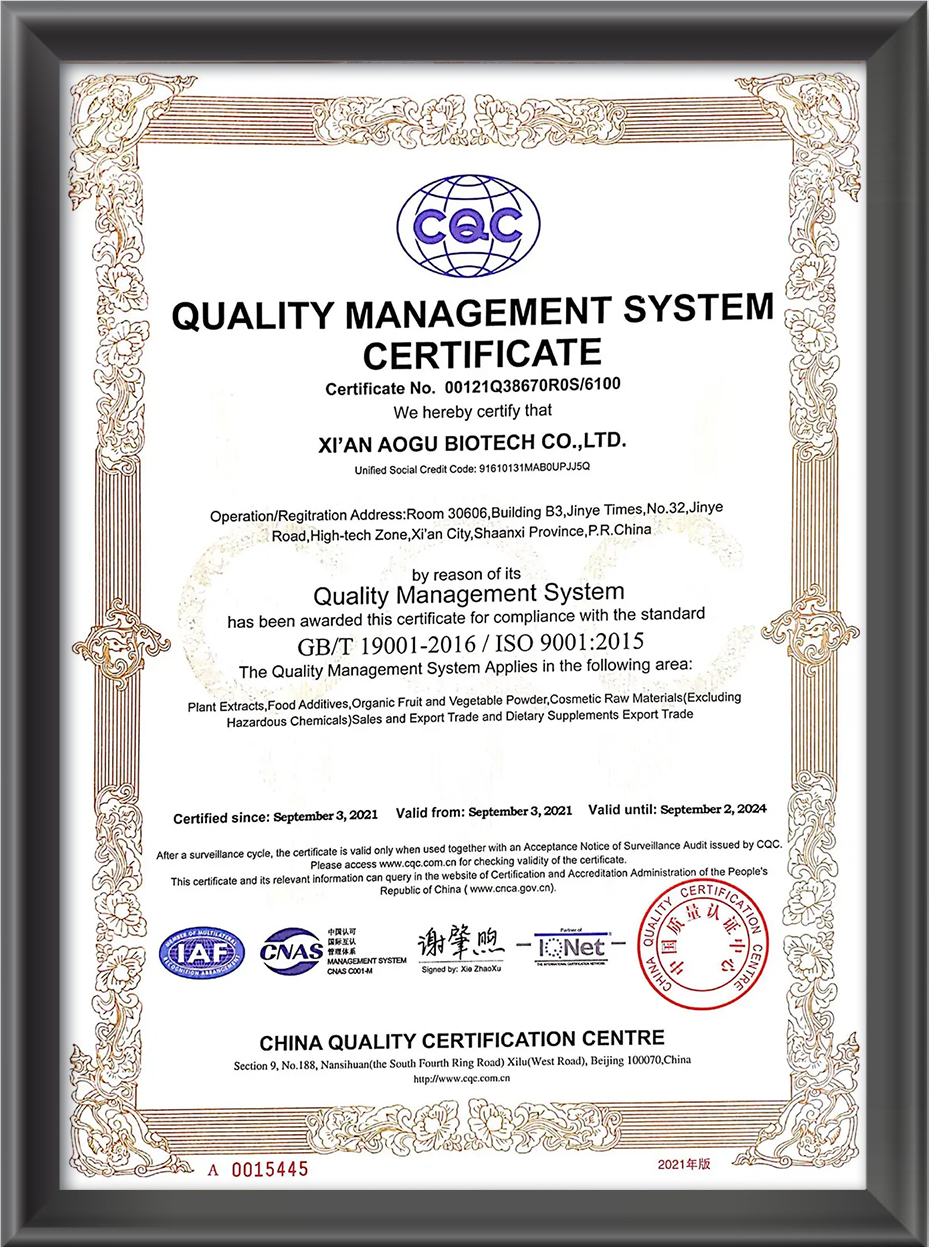
Our in-house lab uses advanced instruments like UPLC, HPLC, GC-MS, ICP-MS for quality control, ensuring raw materials meet strict international standards.
To truly succeed in the Swedish sunscreen market, manufacturers must consider the local application scenarios. Skin barrier repair is a top priority due to the dry air and indoor heating common in Swedish cities like Malmö and Uppsala. This is why active ingredients like Bisabolol are frequently included in high-end sun care to soothe irritation from windburn and extreme cold.
Sunscreens factories in Sweden often act as the gateway to the broader Nordic and Baltic regions. Exporting from Sweden requires adherence to the ECHA (European Chemicals Agency) regulations, which are headquartered in nearby Helsinki but strictly followed in Swedish production lines. For international partners like Aogebio, providing raw materials that are already compliant with REACH (Registration, Evaluation, Authorisation, and Restriction of Chemicals) is non-negotiable.
Modern Swedish skincare brands are also moving toward Adaptive SPF—products that change their level of protection or antioxidant release based on UV intensity. By incorporating UV absorbers like Diethylhexyl Butamido Triazone (Iscotrizinol) and Ethylhexyl Triazone, factories can achieve high SPF values with lower concentrations of chemicals, appealing to the "less is more" Swedish consumer mindset.
 Aogebio Cosmetic