In the rapidly evolving landscape of cosmetic dermatology, Palmitoyl Tripeptide-3 (often associated with SYN-COLL) stands as a monumental breakthrough. This synthetic peptide consists of three amino acids linked with a fatty acid (palmitic acid) to enhance oil solubility and skin penetration. Its primary function is to mimic the body’s own mechanism to produce collagen via Tissue Growth Factor (TGF-beta).
As leading Palmitoyl Tripeptide-3 barrier-boosting peptide suppliers, we recognize that modern consumers are no longer satisfied with surface-level hydration. They demand physiological repair. This peptide acts as a cellular messenger, signaling the skin to repair damaged basement membranes and reinforce the epidermal barrier. This results in a significant reduction in Trans-Epidermal Water Loss (TEWL) and a visible improvement in skin firmness and texture.
Stimulates the production of Type I and Type III collagen by activating TGF-β, the key element in the synthesis of the extracellular matrix.
Enhances the structural integrity of the skin, making it more resilient against environmental pollutants and irritants.
Clinically proven to reduce the depth of wrinkles and improve skin smoothness in as little as 4 weeks of consistent application.
The global market for bioactive peptides is projected to reach billions by 2030, with Palmitoyl Tripeptide-3 being a top-tier ingredient. From luxury European brands to innovative Asian "K-beauty" and "C-beauty" labels, the demand for stable, high-purity peptides is skyrocketing. Industrial procurement managers are increasingly looking for factory-direct sourcing to ensure supply chain stability and cost-efficiency.
In North America, the focus is on "Clean Beauty" and "Clinical Efficacy," where peptides are used in post-procedure creams (after laser or chemical peels) to accelerate skin recovery. In the European market, sustainability and "Green Chemistry" in peptide synthesis are the primary drivers. Our factory in China addresses these diverse needs by utilizing advanced enzymatic synthesis methods that minimize environmental impact while maximizing purity.
The industry is moving toward multi-functional peptide complexes. Instead of using a single ingredient, formulators are blending Palmitoyl Tripeptide-3 with other actives like Palmitoyl Tetrapeptide-7 or Acetyl Hexapeptide-8 to create "cocktail" serums that target multiple aging pathways simultaneously. This trend requires suppliers and factories to offer customized blending services and comprehensive stability data.
Another emerging trend is Local Adaptation. In humid tropical climates (like Southeast Asia), peptides must be formulated in lightweight, non-greasy delivery systems. In contrast, for cold climates (Northern Europe, Canada), they are integrated into rich, lipid-replenishing balms. As a global peptide exporter, Aogebio LLC provides technical support for these localized application scenarios, ensuring our Palmitoyl Tripeptide-3 performs optimally in any formulation base.
Sourcing from a high-tech Chinese factory like ours offers several strategic advantages:
Founded in 2013 and headquartered in the prestigious high-tech zone of Xi'an, Xi'an Aoge Biotech Co., Ltd., along with its subsidiaries Xi'an Imaherb Biotech Co., Ltd. and Xi'an Nahanutri Biotech Co., Ltd., has established itself as a leading force in the cosmetics raw materials industry.
Our expansive cooperative factory, spanning 1,000 mu (approximately 165 acres), is equipped with state-of-the-art extraction technology. This advanced infrastructure allows us to manufacture a wide array of premium cosmetic raw materials. Our product line includes natural plant extracts specifically designed for organic cosmetics, as well as synthetic ingredients for high-end skincare formulations. These raw materials serve as the foundation for a multitude of skincare, haircare, and makeup products, ensuring superior quality and efficacy throughout the entire production process.
Years of professional experience in the biotech sector.
Monthly production capacity for cosmetic raw materials.
Total factory area dedicated to excellence and innovation.
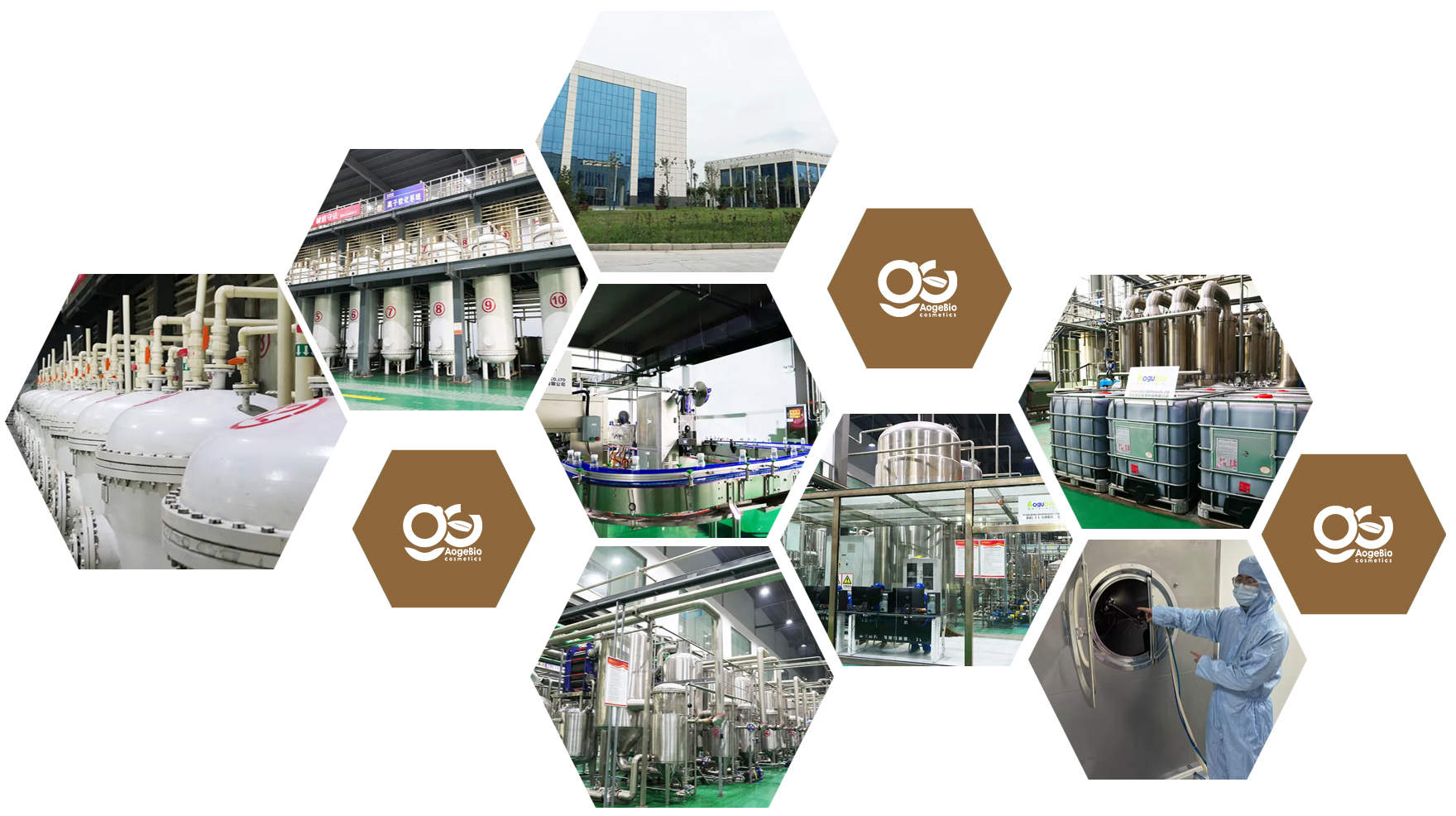
Quality is the heartbeat of our operations. Our in-house lab uses advanced instruments like UPLC, HPLC, GC-MS, and ICP-MS for quality control, ensuring raw materials meet strict international standards such as USP, EP, and ChP.
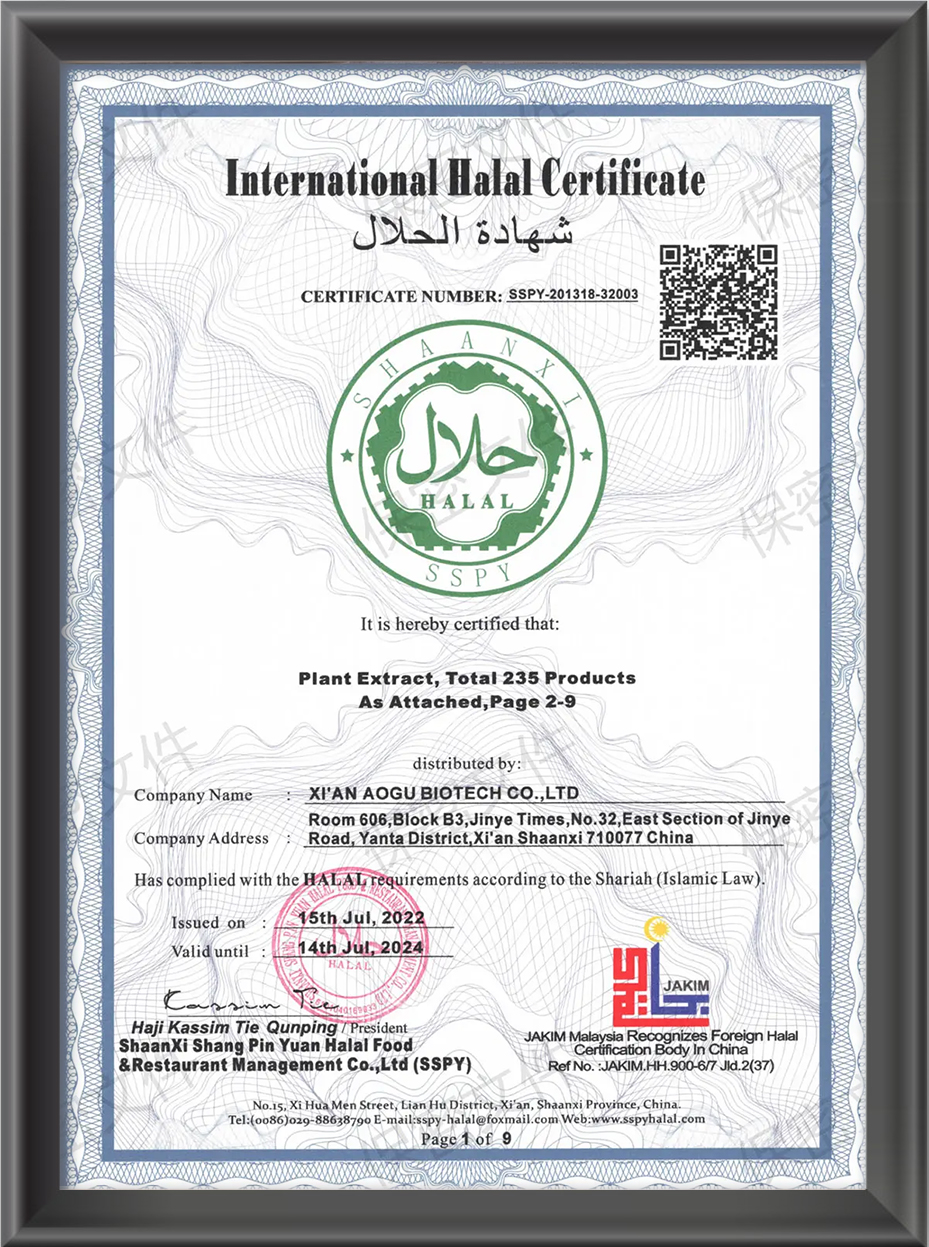
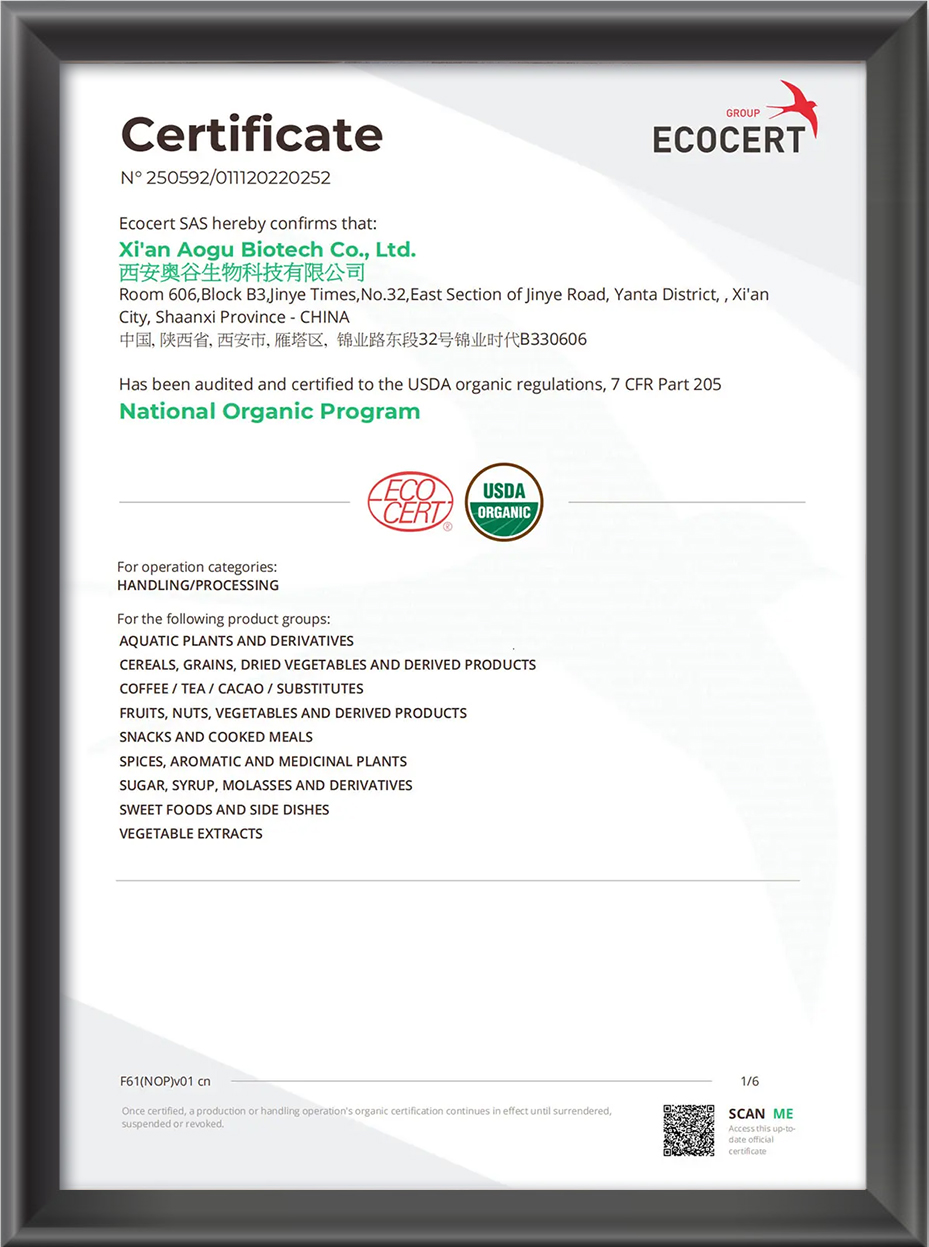
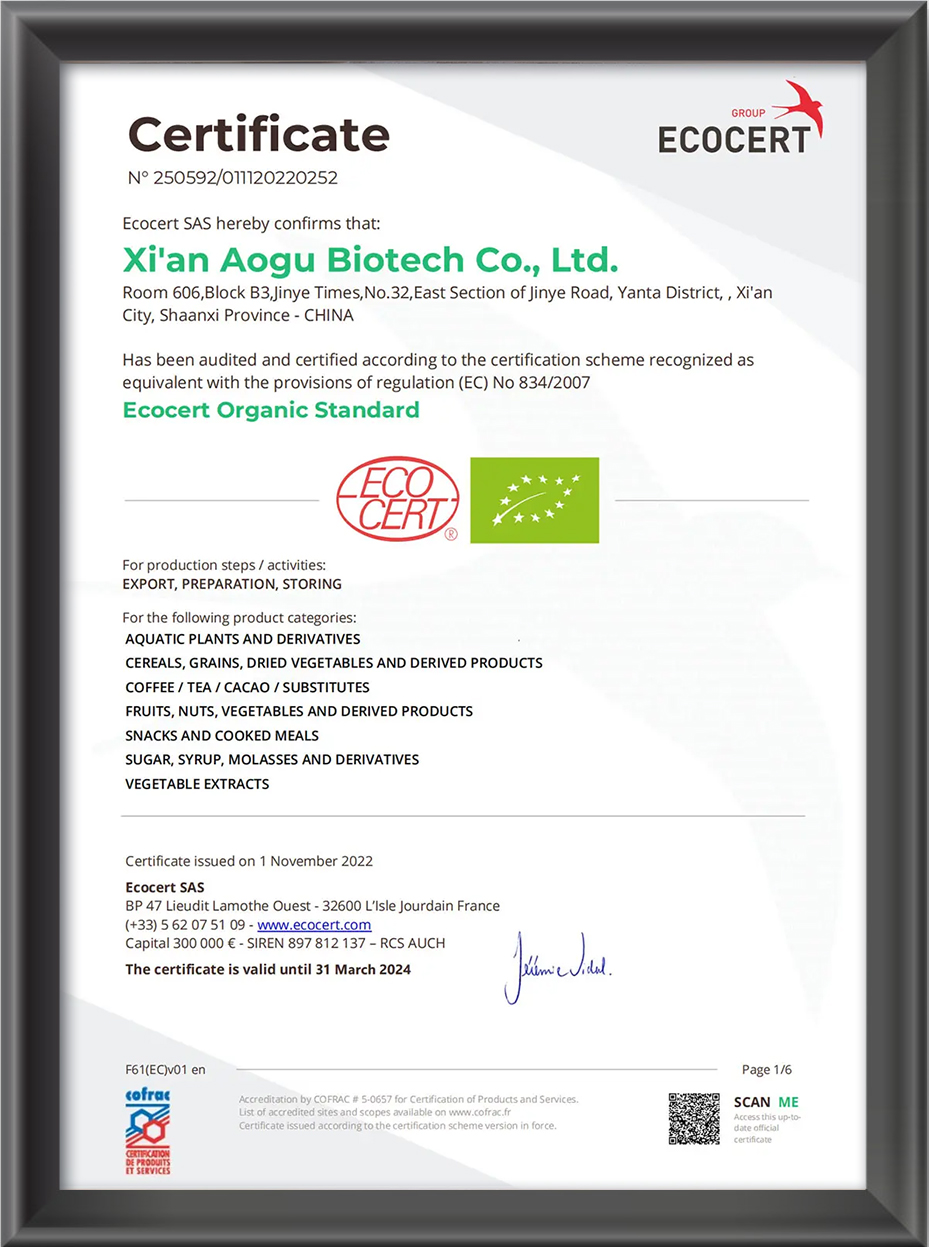
At Aogebio, innovation, quality, and sustainability are the bedrock of our corporate philosophy. We pour relentless efforts into research and development, constantly exploring novel raw materials and advanced manufacturing techniques to stay ahead in the dynamic cosmetics industry.
Rigorous quality control is embedded in every step of our production process, from raw material sourcing to final product delivery, guaranteeing that each item adheres to the most stringent international standards. Meanwhile, we actively embrace sustainable practices, striving to minimize our environmental footprint through eco-friendly production methods and responsible sourcing.
Manufacturing Palmitoyl Tripeptide-3 at an industrial scale requires a sophisticated "Solid-Phase Peptide Synthesis" (SPPS) approach. This method allows for the precise assembly of amino acids while maintaining the high chiral purity essential for biological activity. As a specialized peptide factory, we utilize automated peptide synthesizers that ensure batch-to-batch consistency—a critical factor for global skincare brands that need to maintain formula efficacy across millions of units.
Beyond synthesis, our purification process utilizes Preparative HPLC to achieve purities exceeding 98%. This high level of refinement removes residual solvents and byproducts that could cause skin sensitivity, making our peptide suitable even for "Sensitive Skin" product lines. By focusing on these technical details, we've become a trusted partner for ODM/OEM peptide manufacturing, helping exporters deliver world-class products to international markets.
In terms of application, Palmitoyl Tripeptide-3 is highly versatile. It is stable in a wide pH range (from 3.0 to 7.0), making it compatible with both acidic formulations (like Vitamin C serums) and neutral creams. Its lipophilic palmitoyl chain ensures that it can easily cross the skin's lipid barrier, reaching the fibroblasts where collagen synthesis occurs. This "Deep Delivery" capability is what sets high-quality barrier-boosting peptides apart from cheaper, less effective alternatives.
 Aogebio Cosmetic